 11
11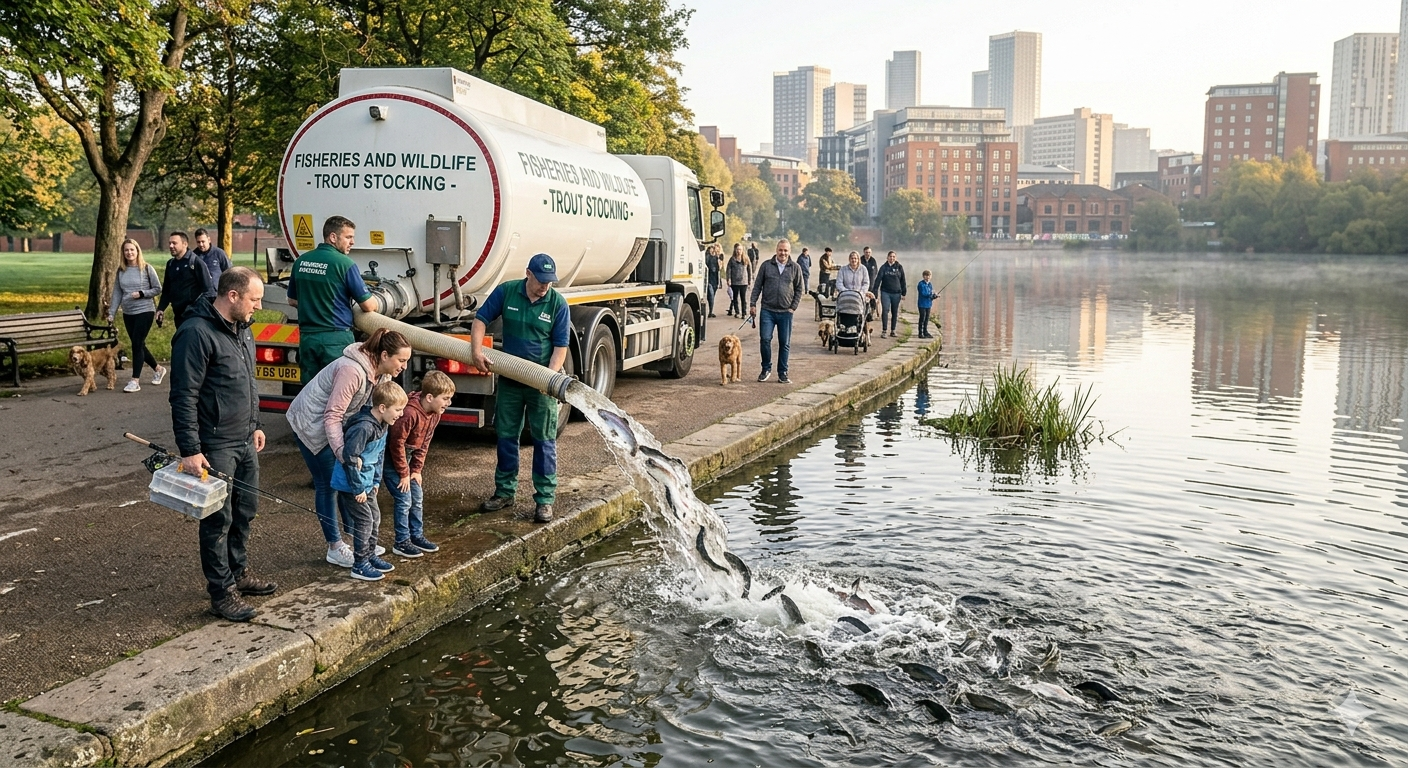
Urban life is fast, crowded, and often stressful. From traffic noise to long work hours and digital overload, city dwellers face constant mental pressure. In response, cities around the world are turning to an unexpected yet powerful solution: city fishing programs.
These programs are not just about catching fish—they are about restoring mental balance, building community, and reconnecting people with nature. In this SEO-optimized article, we’ll explore how urban fishing initiatives are transforming mental health outcomes and why they are gaining global attention.
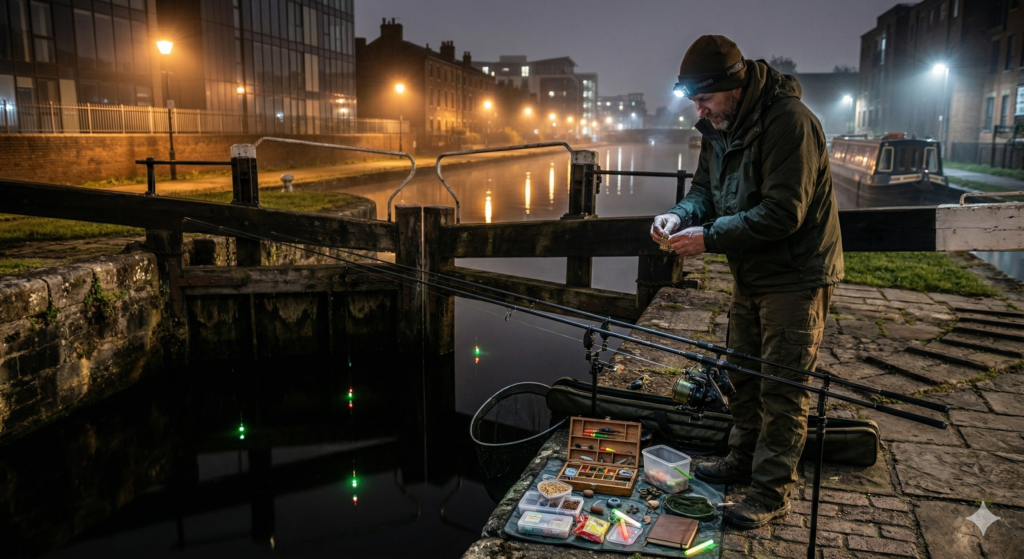
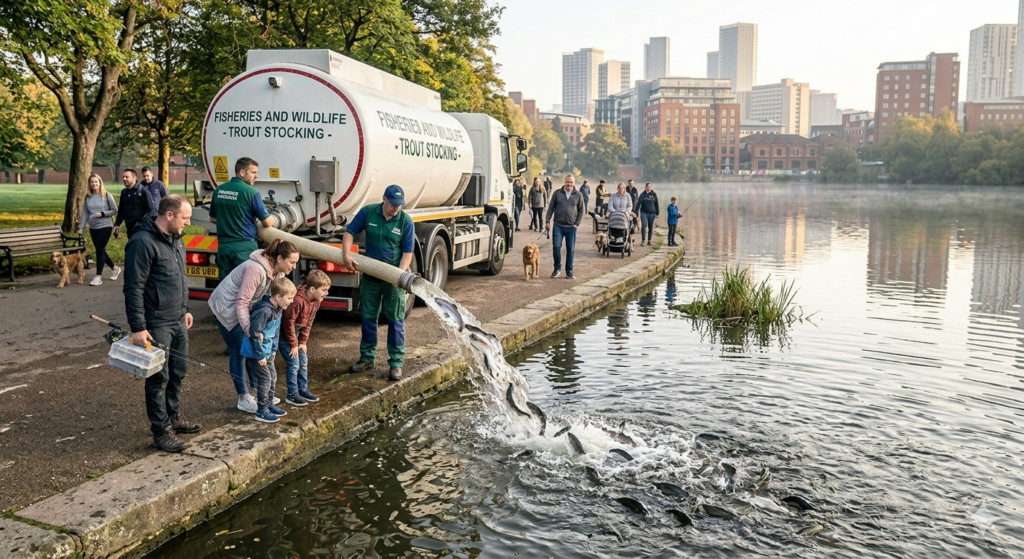
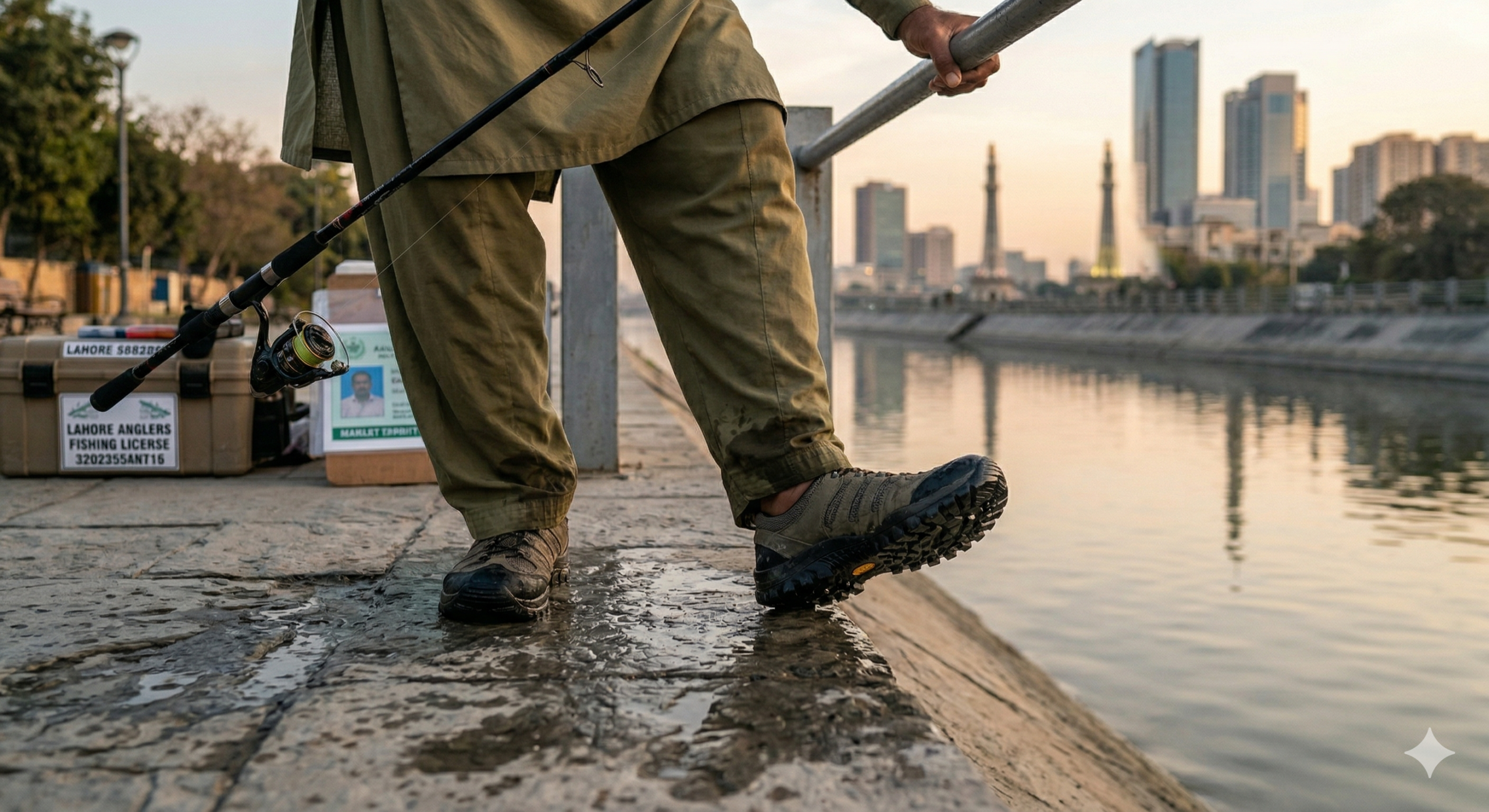
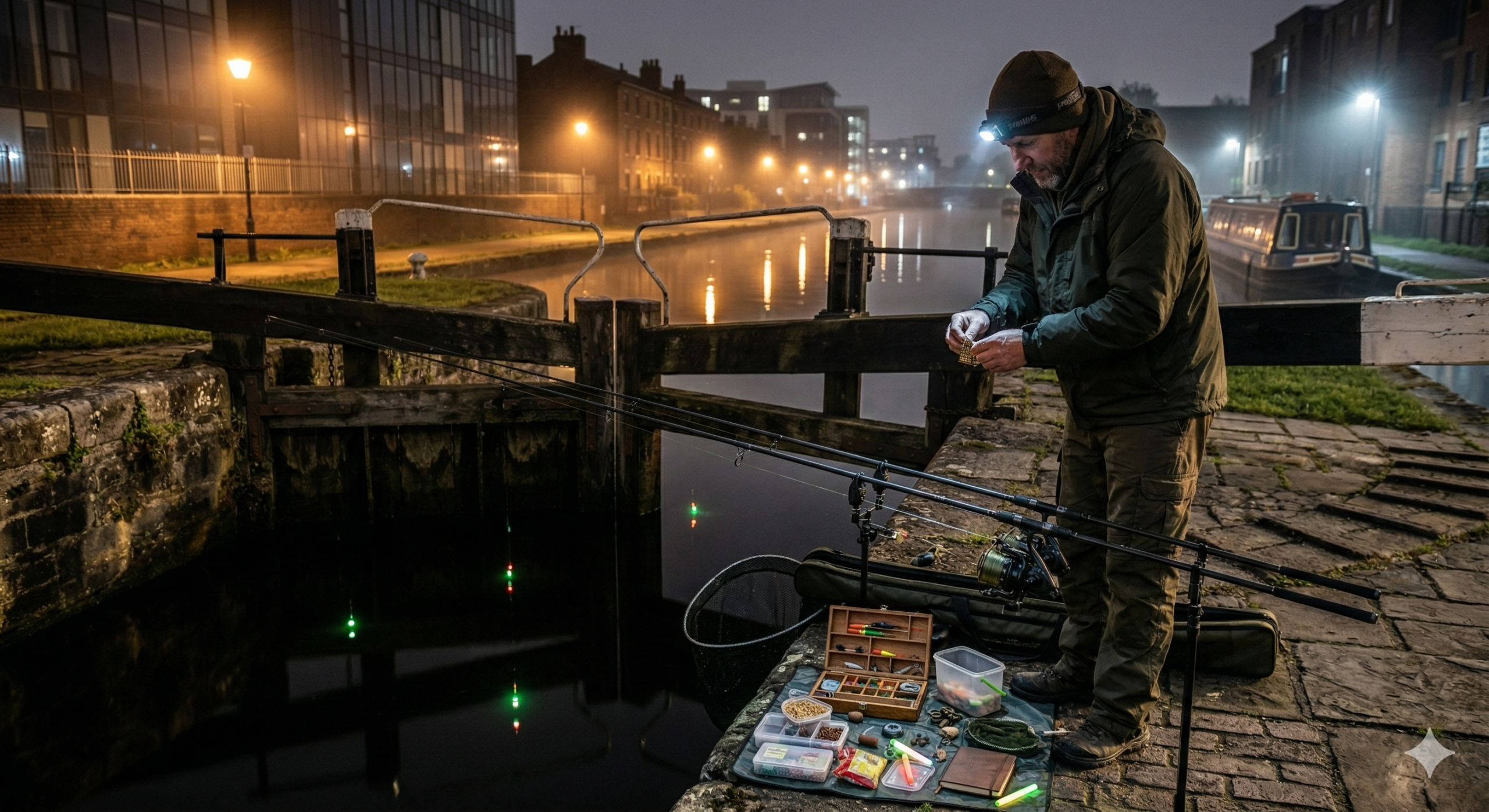
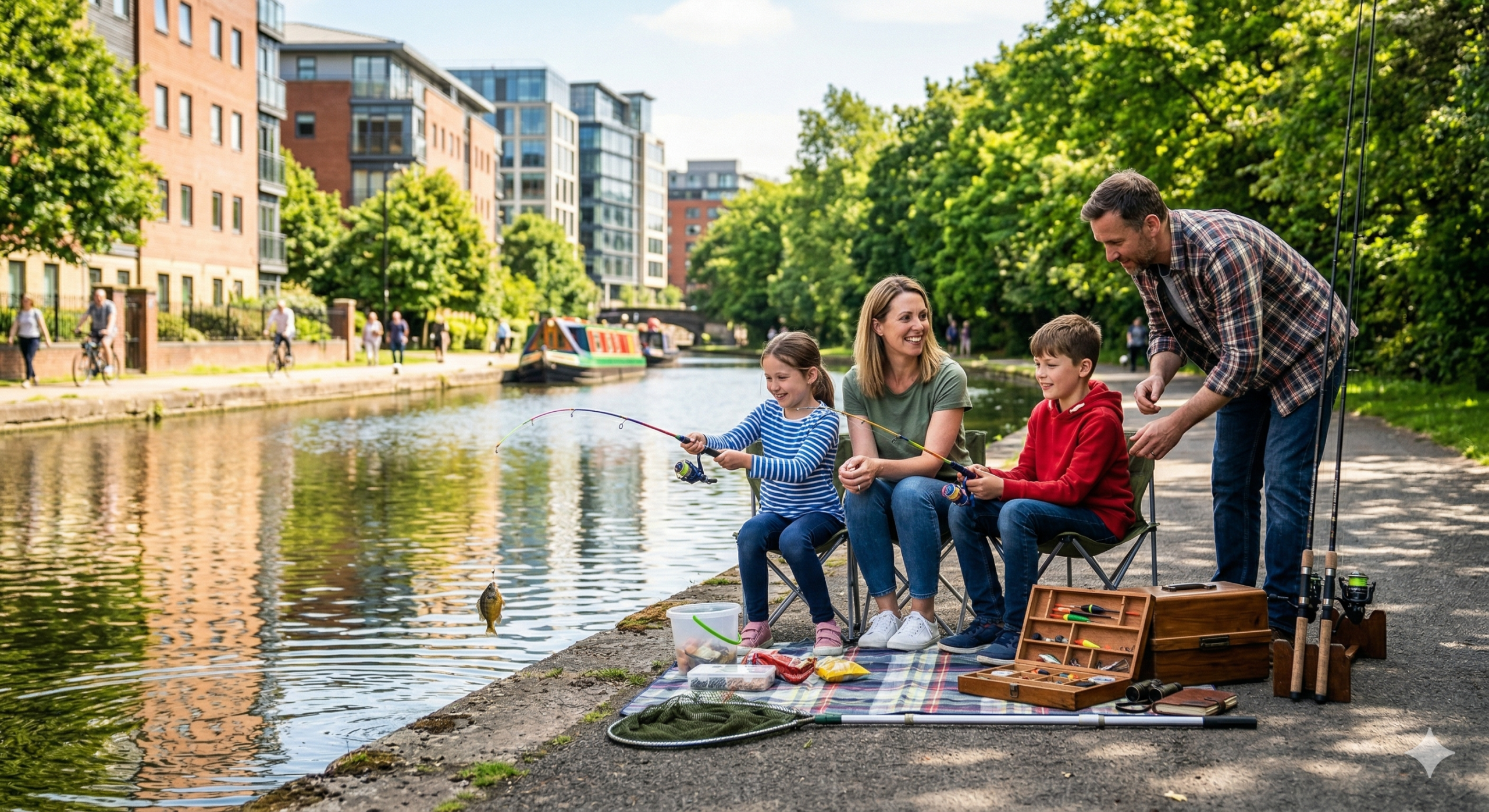
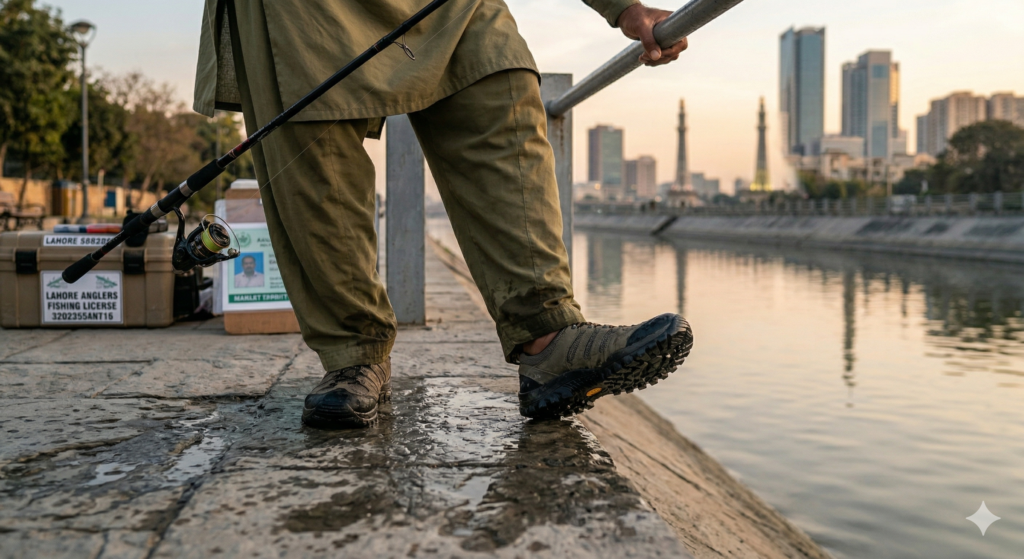
City fishing programs refer to organized initiatives that encourage people to fish in urban “blue spaces” such as rivers, lakes, canals, and ponds within cities. These programs often include:
Urban fishing itself is a growing global phenomenon, providing both recreation and food access while utilizing underappreciated city water resources .
One of the biggest mental health benefits of city fishing is stress reduction.
Scientific research shows that fishing:
A comprehensive 2025 review found consistent evidence that fishing leads to clinically meaningful reductions in stress and PTSD symptoms .
The reason? Fishing combines:
This aligns with attention restoration theory, which suggests that nature helps reset the brain from mental fatigue.
Urban fishing programs take place in blue spaces—water-based environments known to enhance mental well-being.
Studies show that spending time near water:
Recreational angling in these environments is linked to lower rates of depression, anxiety, and even suicidal thoughts .
In cities where access to nature is limited, fishing becomes a gateway to mental healing.
Fishing naturally promotes mindfulness—a mental state where individuals focus on the present moment.
When fishing, people:
This creates a meditative effect, helping individuals disconnect from worries and digital distractions.
Even in busy cities, anglers report feeling mentally “reset” after just a short session near water .
City fishing programs bring people together. Whether it’s a weekend event or a youth workshop, these initiatives encourage social interaction.
Benefits include:
Fishing spots often become informal social hubs where people of different backgrounds connect.
Many urban fishing programs are designed to be inclusive, offering:
This ensures that mental health benefits reach:
Such inclusivity is critical, especially since urban populations often face higher mental health challenges due to economic and social pressures.
City fishing programs play a major role in youth mental health by:
Young participants often experience:
These programs act as preventive mental health tools, especially in high-stress urban environments.
Fishing may seem passive, but it involves:
This light physical activity contributes to:
Research shows that combining physical movement with nature exposure amplifies mental health benefits .
Urban fishing programs help people reconnect with ecosystems they often ignore.
Participants become more aware of:
This connection fosters:
Urban fishing also plays a role in food security and sustainability. In some cities, fishing provides a valuable food source, especially for low-income communities .
This adds another layer of psychological benefit:
Cities worldwide are investing in urban fishing as part of public health strategies.
For many, fishing becomes more than a hobby—it becomes a therapeutic lifestyle.
While city fishing programs offer many benefits, there are some challenges:
Urban waterways may contain contaminants, which can pose health risks if fish are consumed .
Fishing-related injuries and environmental hazards must be addressed through education and proper guidelines .
Many people are still unaware of these programs or their benefits.
City planners and health experts are increasingly recognizing fishing as a low-cost, high-impact mental health solution.
Future developments may include:
As cities grow, so does the need for accessible mental wellness solutions—and urban fishing fits perfectly into this vision.
City fishing programs are quietly transforming urban life. By combining nature, mindfulness, community, and physical activity, they offer a powerful remedy for modern mental health challenges.
In a world where stress and anxiety are on the rise, something as simple as casting a line into a city river can bring peace, clarity, and connection.
So whether you’re a beginner or just looking for a way to unwind, urban fishing might be the mental health boost you didn’t know you needed. 🎣✨