 11
11
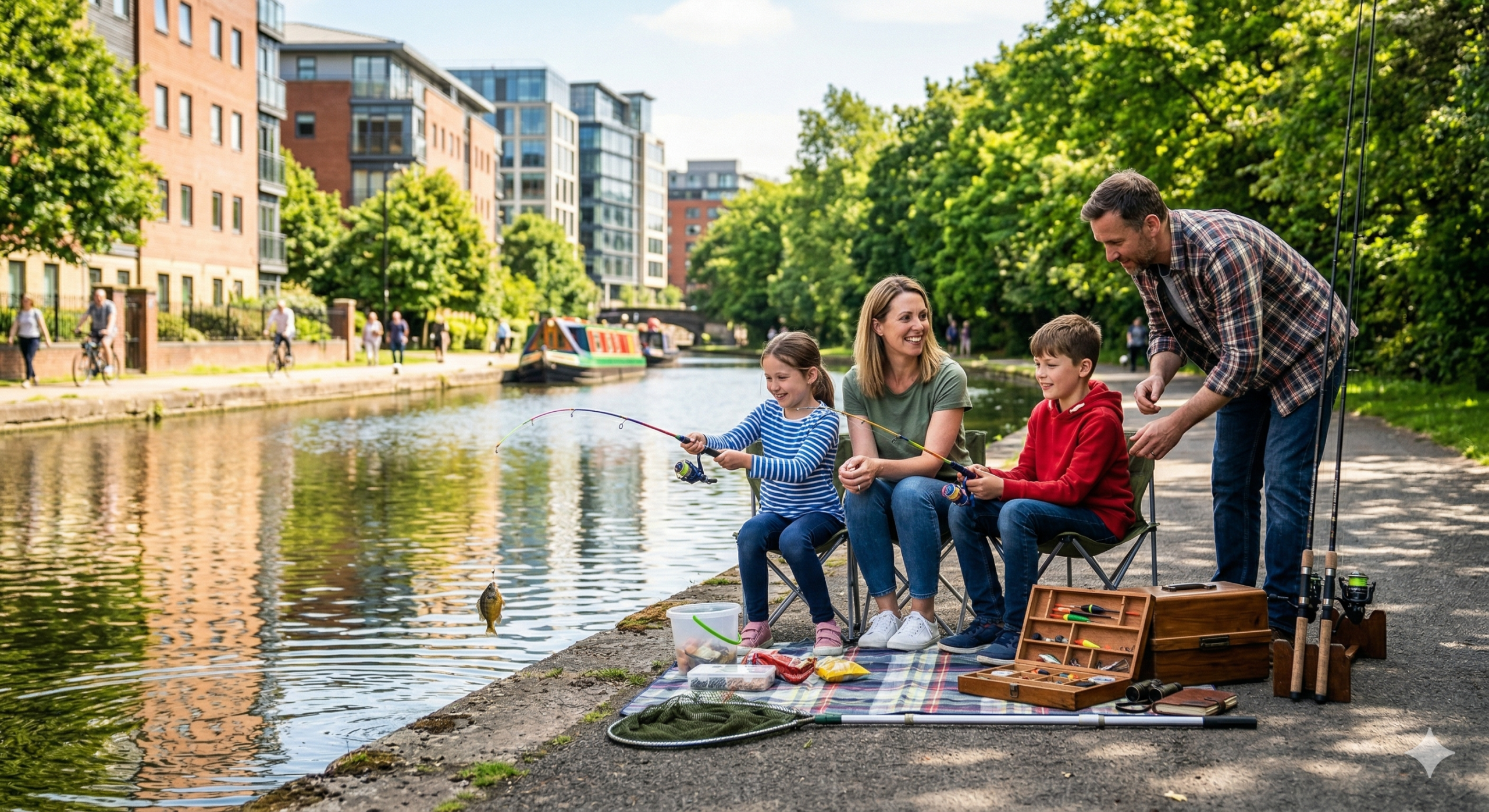
In today’s fast-paced urban world, children are spending more time indoors than ever before. Screens, school pressure, and limited access to nature can impact both their physical and mental development. That’s why teaching kids to fish in the city has become an increasingly popular and powerful activity.
Urban fishing is more than just a hobby—it’s a meaningful way to teach patience, responsibility, and a love for nature, even in the middle of a busy city. In this SEO-optimized article, we’ll explore how city fishing programs work, why patience is key, and how those magical first catches can shape a child’s growth.
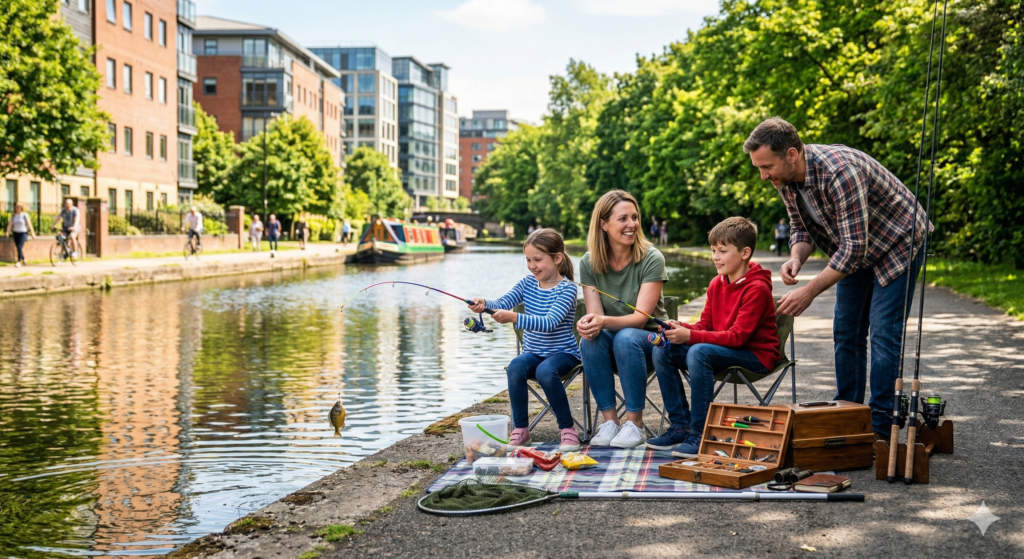
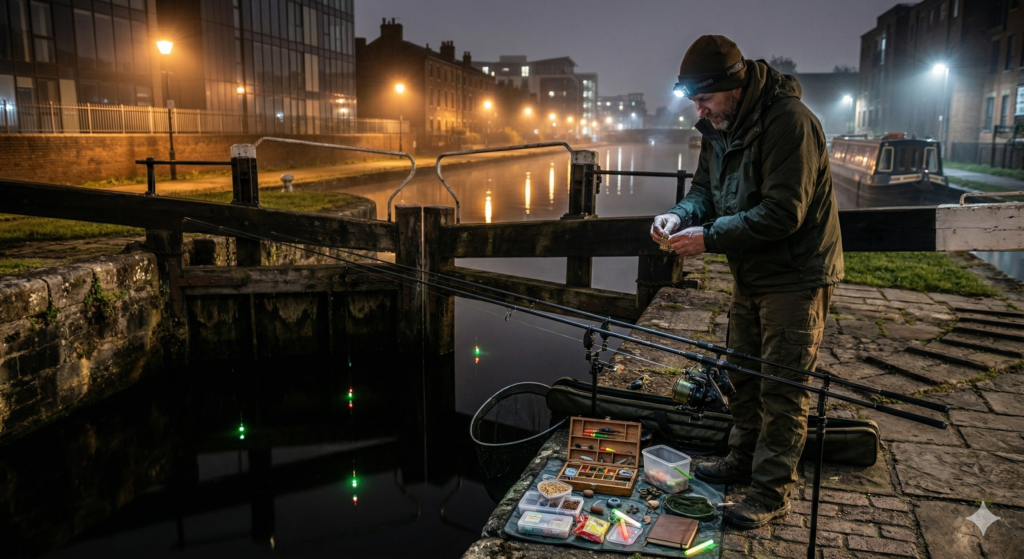
Fishing might seem like a rural activity, but cities around the world now offer accessible fishing opportunities in lakes, rivers, and ponds. Teaching kids to fish in urban environments provides several benefits:
For many children, urban fishing becomes their first real connection with nature.
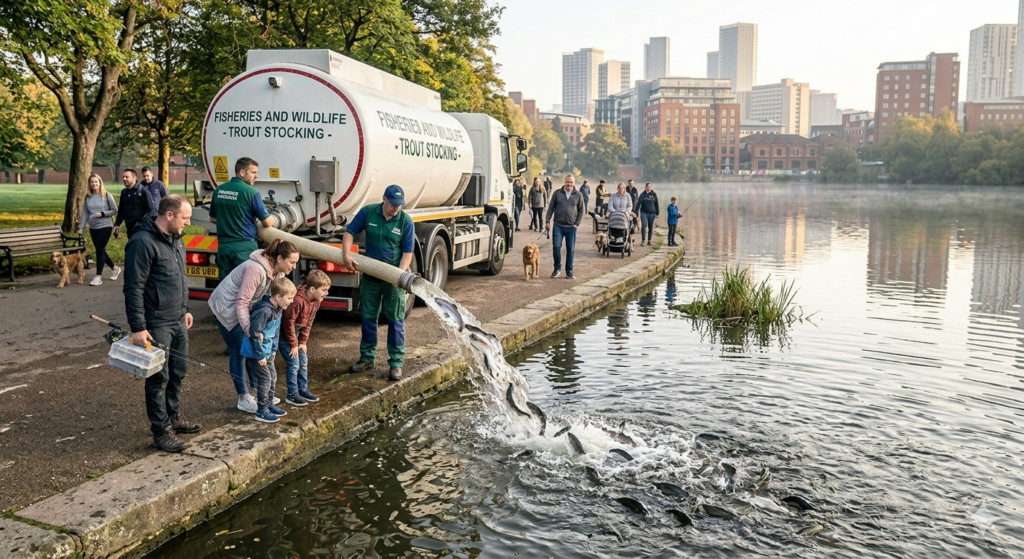
City fishing programs are structured initiatives designed to introduce children and families to fishing in safe, accessible urban locations.
These programs typically offer:
They are often organized by:
Urban fishing programs are designed with kids in mind, making learning both fun and educational.
Kids learn:
Children meet new friends and work together, improving social skills.
Fishing teaches respect for nature and the importance of conservation.
One of the best things about city fishing programs is that they are inclusive and beginner-friendly.
They often provide:
This ensures that kids from all backgrounds can participate and enjoy the experience.
Fishing is not about instant results. It requires waiting, observing, and staying calm—skills that are incredibly valuable for children.
When kids fish, they learn:
These lessons carry over into school and everyday life.

Instead of seeing waiting as “boring,” fishing turns it into an opportunity:
Parents and instructors can make this time engaging by asking questions and sharing interesting facts.
Not every fishing trip ends with a catch—and that’s okay.
Kids learn:
This builds emotional resilience, an essential life skill.
A child’s first catch is unforgettable. It’s a moment filled with excitement, pride, and joy.
That first fish teaches:
For many kids, this moment sparks a lifelong love for fishing.
Here are a few tips to make that first catch extra special:
Some programs even give certificates or small rewards for first catches, making the experience even more exciting.
Use basic equipment:
Avoid overwhelming kids with too much information at once.
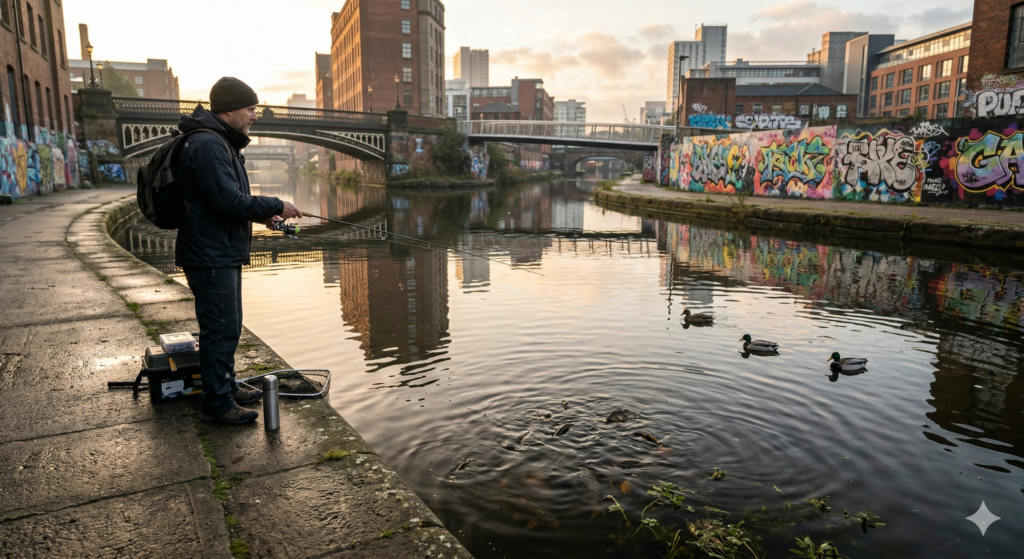
Look for:
Urban parks and stocked ponds are ideal for beginners.
Kids have shorter attention spans, so:
Children learn by watching adults. Show them:
Your attitude will shape their experience.
Teaching kids to fish also includes teaching safety:
This ensures a safe and enjoyable experience for everyone.
Fishing is more than a pastime—it’s a tool for personal growth.
Kids develop:
These benefits extend far beyond the fishing spot and into everyday life.
As cities continue to grow, the importance of outdoor activities like fishing becomes even greater.
Future trends include:
Urban fishing is becoming a key part of raising healthier, happier children.
Teaching kids to fish in the city is one of the most rewarding experiences for both children and adults. Through structured programs, patience, and the excitement of first catches, kids gain valuable life skills while reconnecting with nature.
In a world full of distractions, fishing offers something rare: peace, focus, and genuine joy.
So grab a rod, head to your nearest city pond, and give a child the gift of their very first catch—you might just create a memory that lasts a lifetime.