 11
11
In the heart of busy cities, a quiet but passionate movement is growing—urban angling communities. These groups bring together people who share a love for fishing, even in places surrounded by concrete and traffic.
If you’ve ever wanted to fish but didn’t know where to start—or simply didn’t want to go alone—finding your local fishing tribe can completely transform your experience. In this SEO-optimized guide, you’ll learn what urban angling communities are, why they matter, and how to find the perfect one near you.
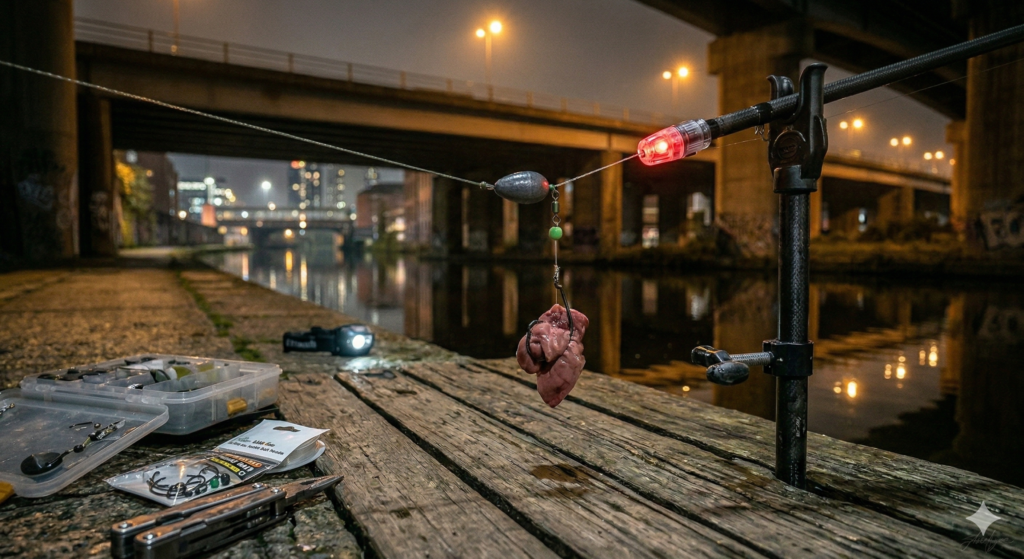
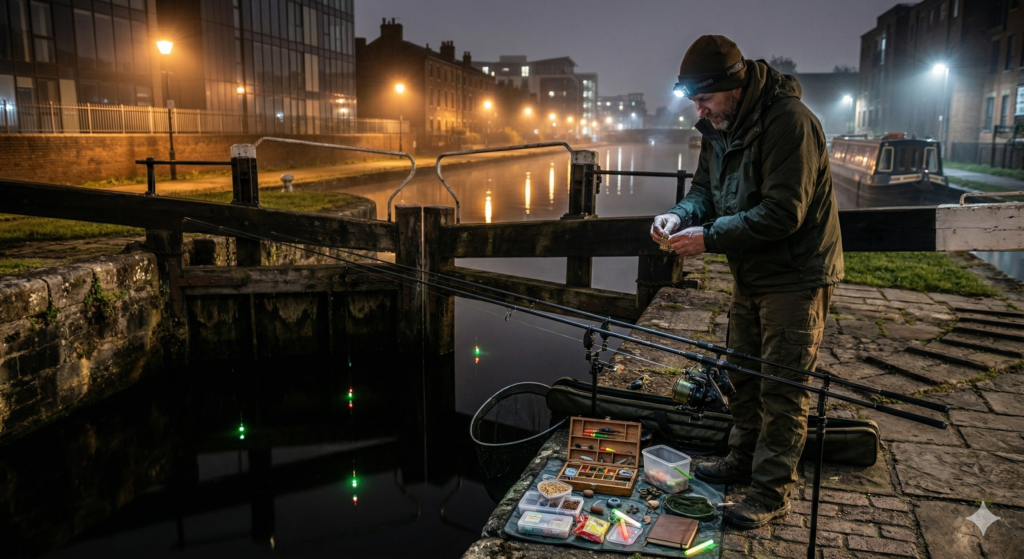
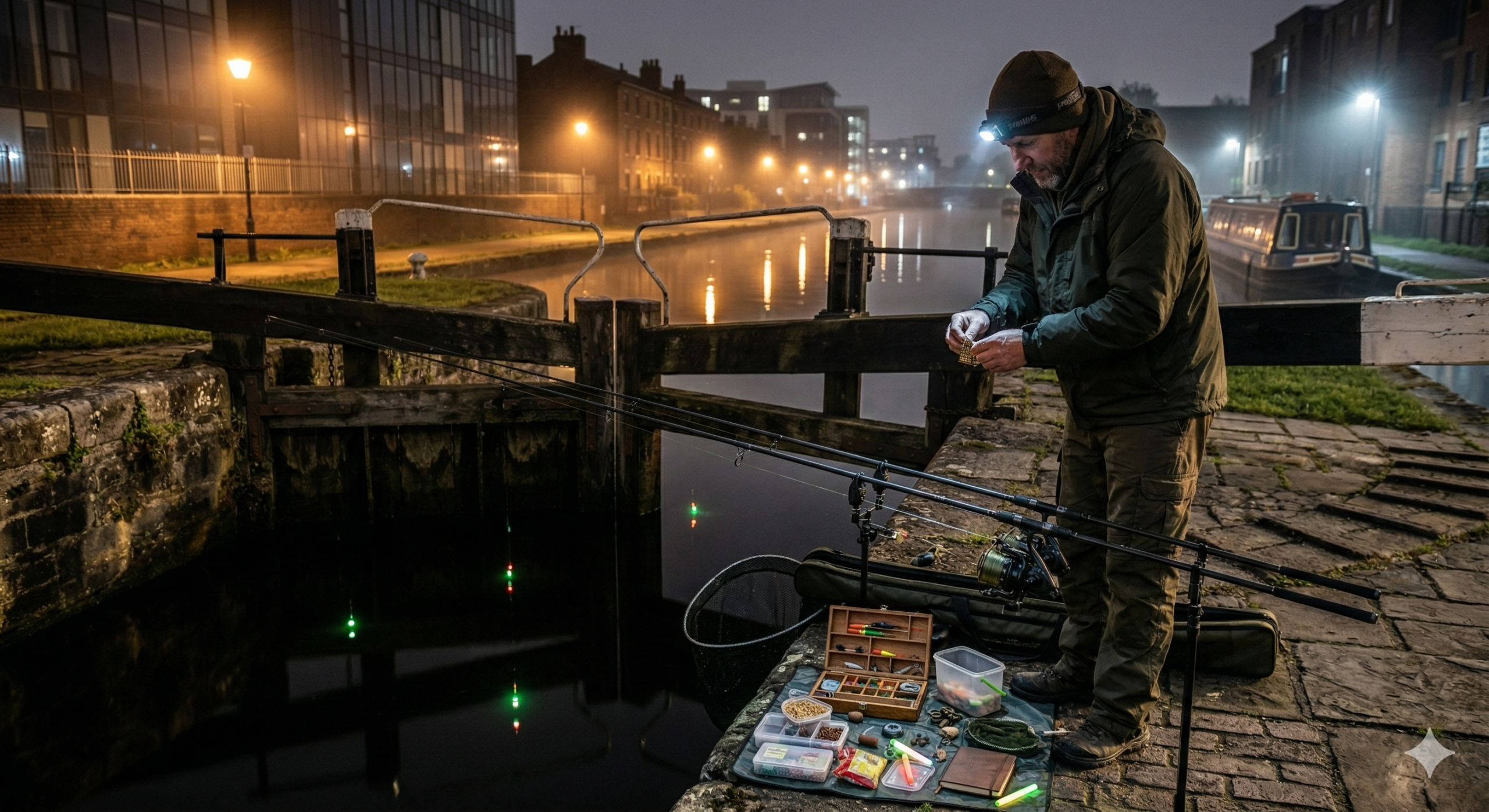
Urban angling communities are groups of people who fish in city environments such as:
These communities can be:
They bring together beginners and experienced anglers to share knowledge, tips, and experiences.
Fishing can feel overwhelming at first—choosing gear, finding spots, understanding techniques. Being part of a community helps you:
It’s like having a mentor without paying for one.
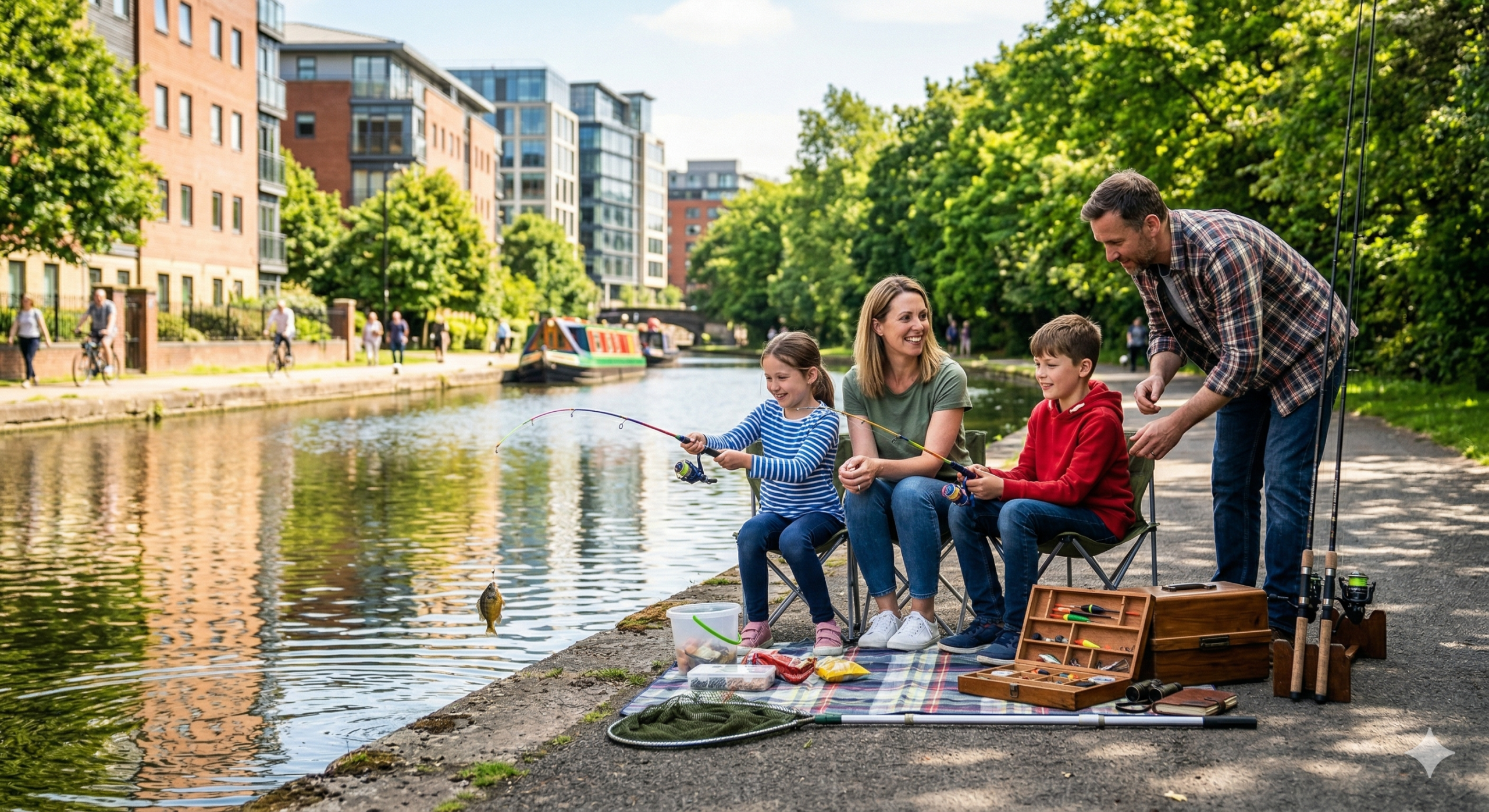
Urban fishing communities are more than just hobby groups—they’re social networks.
You’ll:
Fishing together often creates deeper bonds because of the calm, relaxed environment.
One of the biggest advantages of joining a fishing tribe is local knowledge.
Members often share:
This insider information can save you months of trial and error.
Fishing is already known for reducing stress, but doing it with others adds another layer of benefit:
Urban angling communities create a sense of belonging, which is essential for mental health.
Social media is one of the easiest ways to find urban fishing communities.
Search for:
Platforms to explore:
These platforms often host active discussions, event announcements, and meetups.
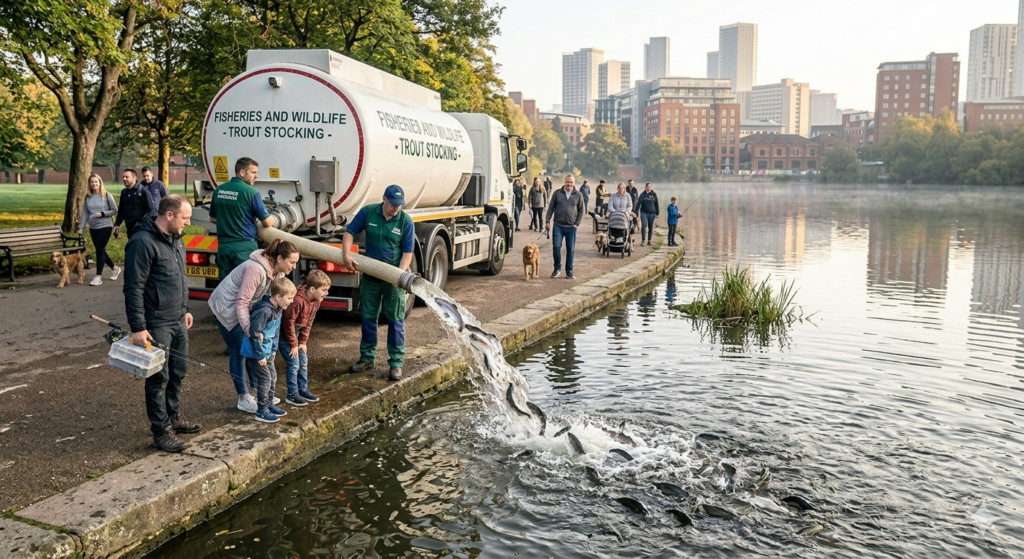
Sometimes the best way to find a community is simply by going fishing.
At local spots, you can:
Most anglers are friendly and happy to share advice—just approach politely and show interest.
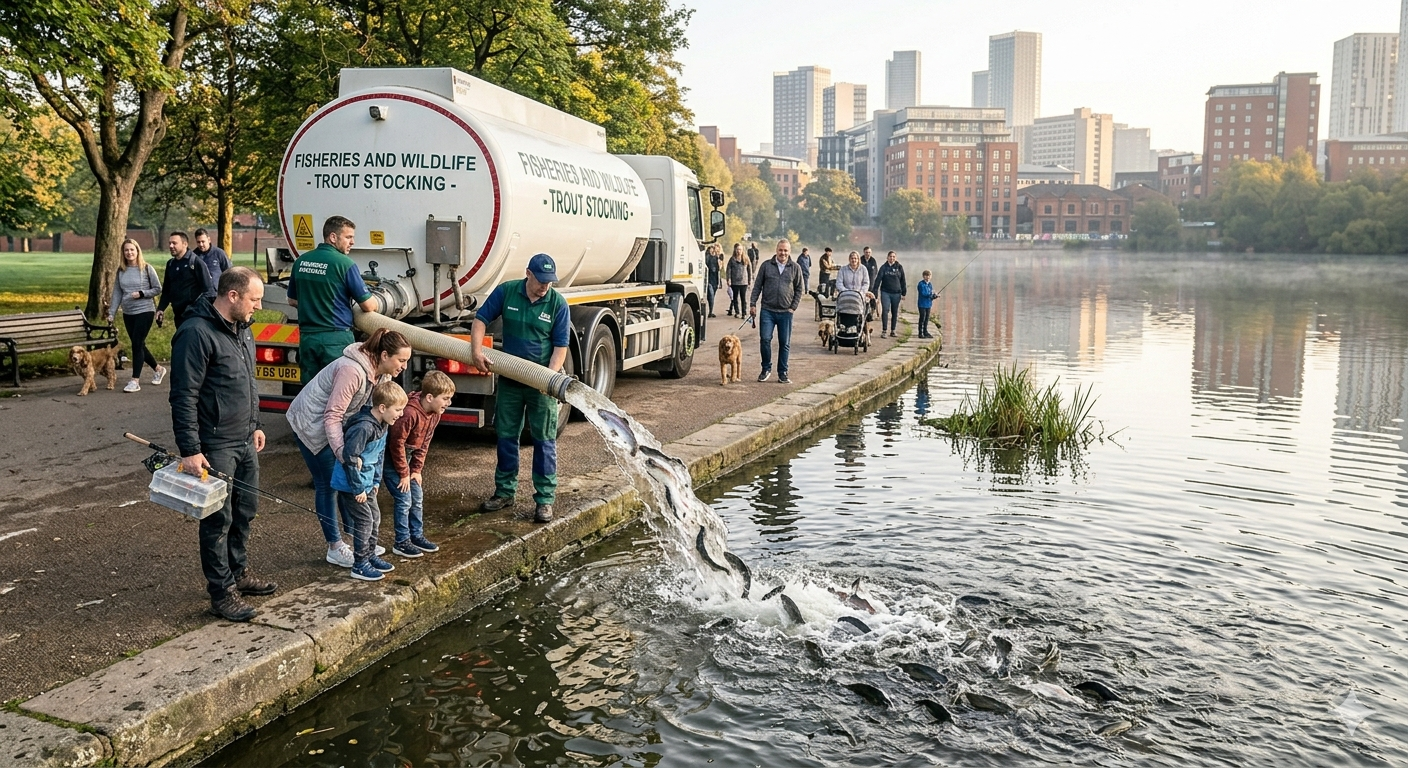
Many cities offer fishing programs through:
These programs often act as entry points into larger fishing communities.
Dedicated fishing platforms can connect you with local anglers.
Popular options include:
These platforms allow you to:
Look out for:
These events are perfect for:
Local fishing shops are often community hubs.
Shop owners and staff can:
Don’t hesitate to ask—they usually know the local fishing scene very well.
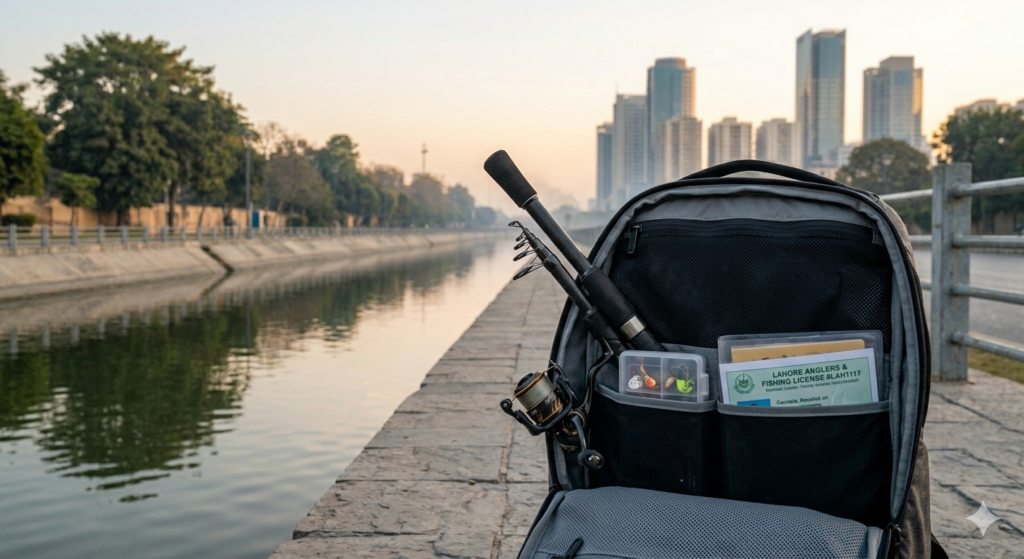
First impressions matter. Smile, introduce yourself, and show genuine interest in others.
Every fishing community has its own culture. Always:
Communities grow through sharing. You don’t have to be an expert—just:
The more you show up, the more you become part of the group.
Regular participation helps build:
While joining a fishing community is rewarding, there can be challenges:
But don’t let these stop you—every strong community starts with a simple introduction.
Urban fishing communities are growing rapidly as cities recognize the importance of outdoor activities.
Future trends include:
These communities are becoming a key part of urban lifestyle and well-being.
Finding your local fishing tribe can turn a simple hobby into a meaningful part of your life. Urban angling communities offer more than just fishing—they provide connection, learning, and a sense of belonging.
Whether you’re a complete beginner or an experienced angler, there’s a place for you in these communities.
So take the first step—visit a local fishing spot, join a group, or start a conversation. Your fishing tribe is out there waiting. 🎣✨