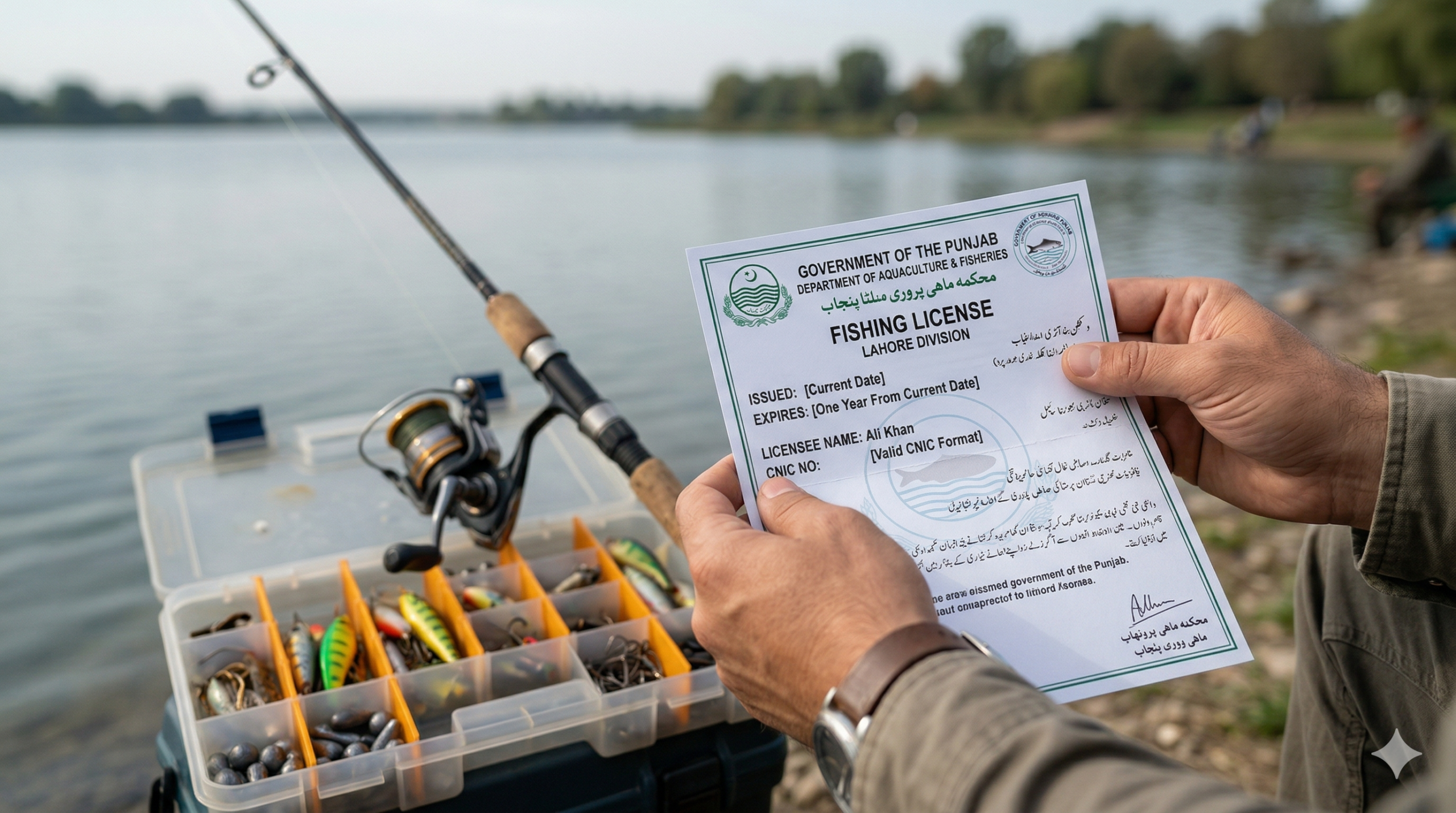
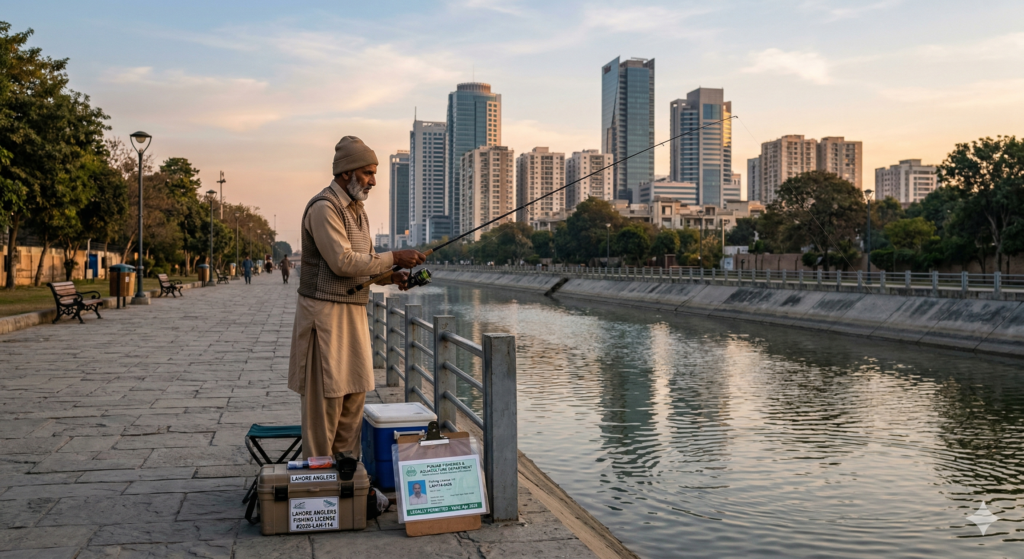
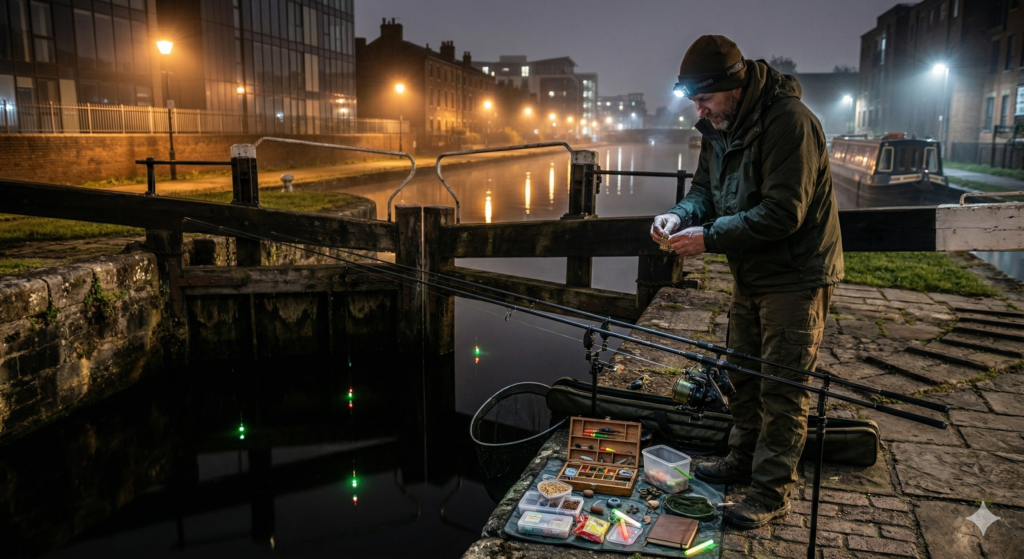
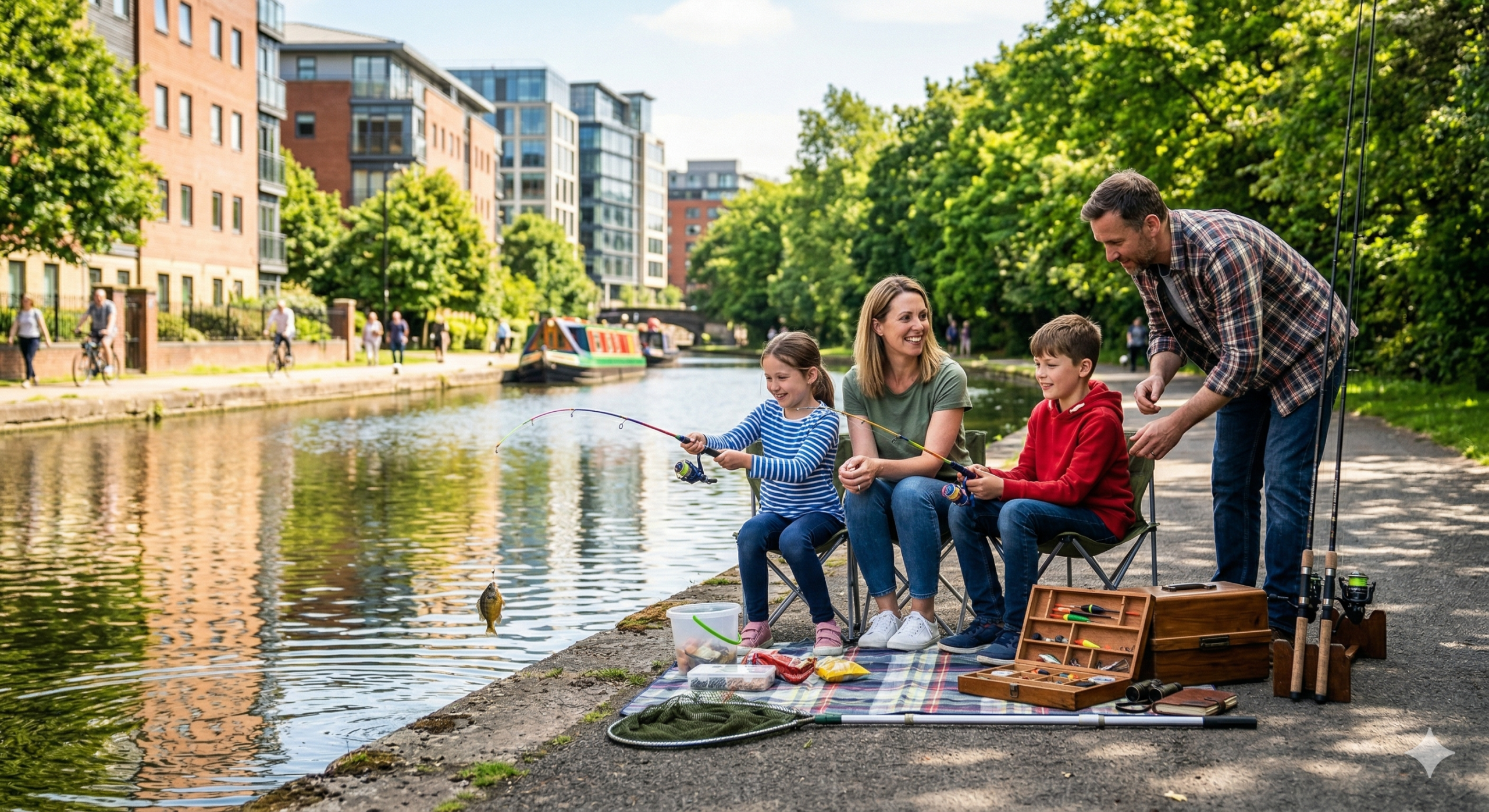
Urban fishing has become increasingly popular as more people discover that great fishing opportunities exist right inside cities—parks, canals, rivers, and even roadside ponds. But before you cast your line, there’s one critical requirement you need to understand: the fishing license.
This comprehensive guide will walk you through everything—from what an urban fishing license is, to how to get one, costs, rules, and practical tips—so you can fish legally and responsibly anywhere.
What Is an Urban Fishing License?
A fishing license is a legal permit issued by a government authority that allows individuals to fish in public waters. In urban environments, this includes:
City park ponds
Urban rivers and streams
Canals and drainage systems
Reservoirs and lakes within city limits
In countries like Pakistan, these licenses are typically regulated by provincial fisheries departments to ensure sustainable use of aquatic resources.
Why Fishing Licenses Exist
Fishing licenses are not just a formality—they serve important purposes:
Conservation: Helps protect fish populations from overfishing
Funding: Fees support habitat restoration and fish stocking programs
Regulation: Ensures fair access and responsible angling
Data Collection: Authorities track fishing activity and trends
Do You Always Need a License in Urban Areas?
In most cases, yes—even within city limits.
Many beginners assume that fishing in a public park or canal is free, but that’s often not true. If the water body is managed by a public authority, a license is usually required.
Situations Where You Likely Need a License
Fishing in government-managed water bodies
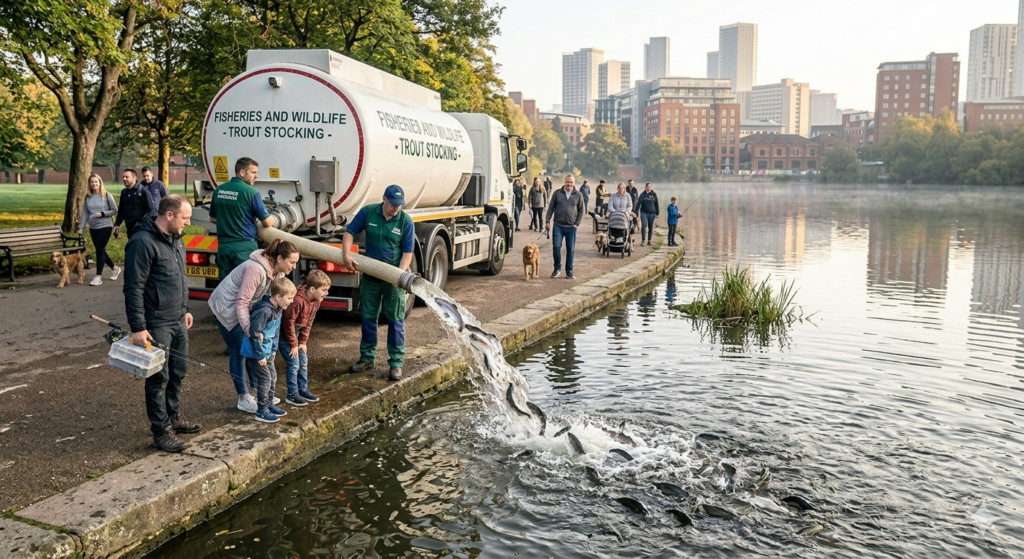
Fishing in stocked urban ponds
Recreational fishing in rivers or lakes
Possible Exceptions
Some exemptions may apply depending on local laws:
Children below a certain age
Senior citizens (in some regions)
Private property with owner permission
Special events like “free fishing days”
Always verify with your local authority before fishing.
Types of Urban Fishing Licenses
Fishing licenses are not one-size-fits-all. Depending on your needs and location, you may choose from several options:
1. Daily or Short-Term License
Ideal for beginners or visitors
Valid for 1–7 days
Affordable and easy to obtain
2. Annual License
Best for frequent anglers
Offers better value over time
Often includes access to multiple locations
3. Species-Specific Permits
Required for certain fish like trout or salmon
Ensures protection of sensitive species
4. Urban/Stocked Water Permits
Some cities issue special permits for stocked ponds
Designed to encourage recreational fishing
Where to Get an Urban Fishing License
Getting a license today is simple and accessible. Here are the most common ways:
1. Online Government Websites
The fastest and most convenient method is through official portals such as those managed by the Department of Fisheries.
Steps:
Visit the official website
Fill out an application form
Upload identification (if required)
Pay the fee online
Download or print your license
Advantages:
Instant approval in many cases
Accessible 24/7
Digital storage on your phone
2. Local Tackle Shops
Many fishing gear stores are authorized to issue licenses.
Why this is useful:
Get local fishing tips
Learn about nearby hotspots
Buy gear and bait at the same time
3. Government Offices
You can also visit:
Fisheries departments
Municipal offices
Licensing centers
This option is ideal if:
You prefer in-person assistance
You have questions about regulations
4. Mobile Apps
In many countries, official apps allow you to:
Purchase licenses
Store digital copies
Receive updates on rules and seasons
This is especially helpful for regular urban anglers.
Requirements for Getting a License
While requirements vary by region, most authorities will ask for:
Valid identification (CNIC, passport, etc.)
Basic personal details
Payment of the license fee
In some cases, you may also need:
Proof of residence
Additional permits for specific species
Cost of Urban Fishing Licenses
The cost depends on your location and the type of license.
Typical Price Ranges:
Daily License: $5 – $20
Weekly License: $10 – $40
Annual License: $20 – $100
Urban licenses are often more affordable to encourage public participation in fishing.
Rules and Regulations You Must Follow
Having a license does not mean unlimited fishing rights. You must follow local rules, which may include:
Catch Limits
The number of fish you can keep per day.
Size Limits
Minimum or maximum size restrictions to protect young or breeding fish.
Allowed Methods
Restrictions on:
Types of rods
Nets
Bait and lures
Restricted Areas
Certain zones may be off-limits, such as:
Protected habitats
Water treatment areas
Private property
Violating these rules can lead to fines or confiscation of equipment.
Urban Fishing Etiquette and Best Practices
Being a responsible angler is just as important as being a legal one.
Follow These Guidelines:
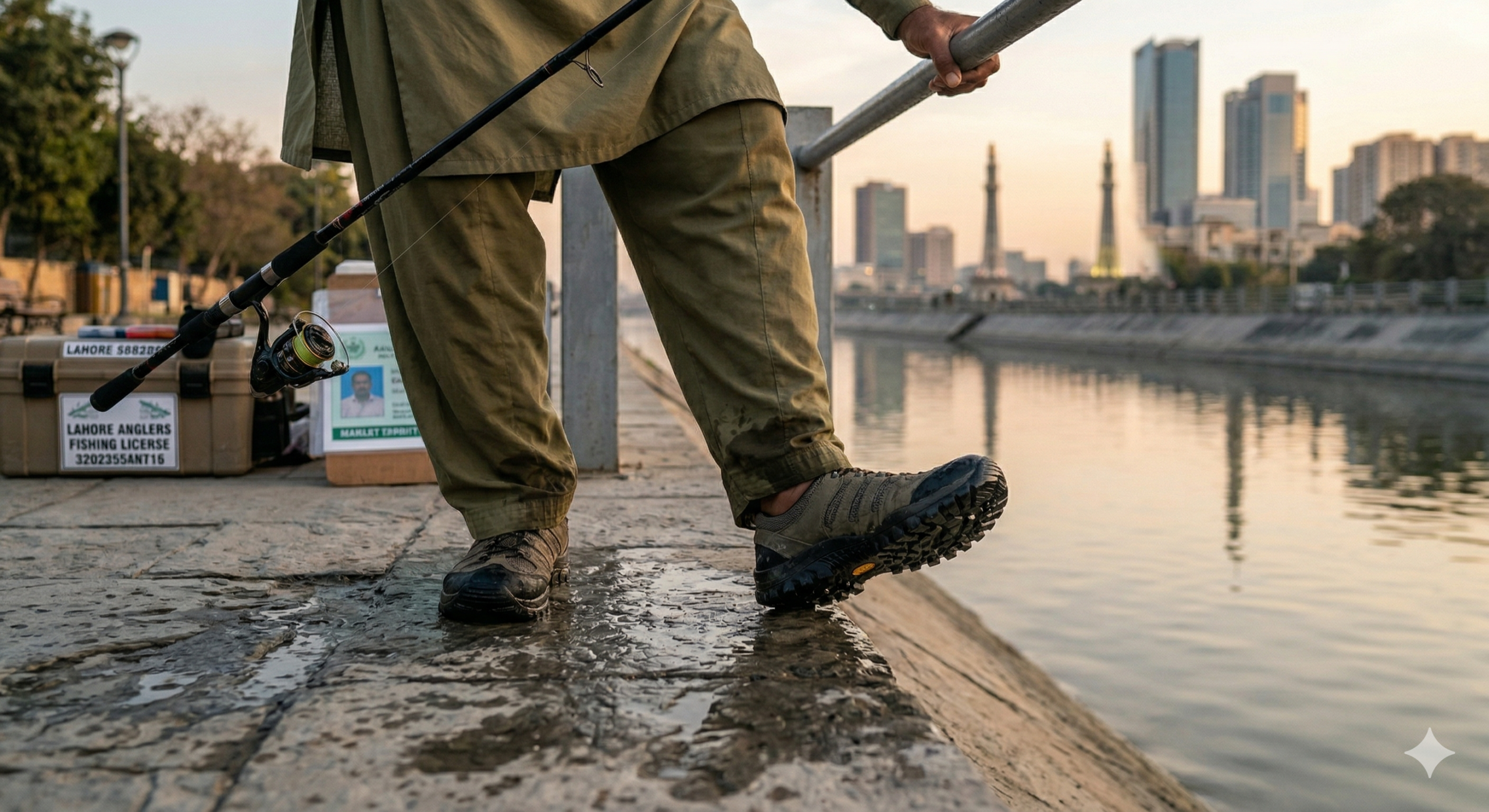
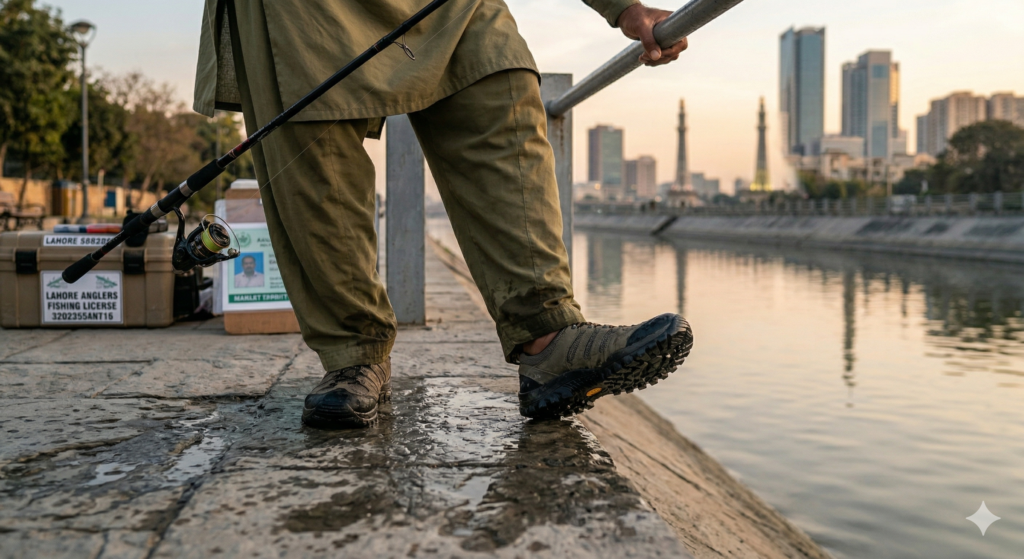
Always carry your license (printed or digital)
Respect other anglers’ space
Avoid littering—leave the area cleaner than you found it
Practice catch-and-release when possible
Handle fish carefully to minimize harm
Common Mistakes to Avoid
Many beginners make simple mistakes that can lead to trouble:
Fishing without a license
Assuming urban waters are free to use
Ignoring local regulations
Using prohibited bait or gear
Not checking updates in fishing laws
Avoiding these mistakes ensures a smooth and enjoyable experience.
Tips for Finding License Information in Your City
If you’re unsure where to start:
Search: “fishing license in [your city]”
Visit your provincial fisheries website
Ask at local fishing shops
Join local fishing communities online
These sources often provide the most up-to-date and relevant information.
Final Thoughts
Urban fishing offers a unique blend of convenience and adventure—but it comes with responsibilities. Getting a fishing license is a small step that ensures you’re fishing legally, ethically, and sustainably.
With easy access through online portals, shops, and apps, there’s no reason to skip this step. Once you’re licensed, you can confidently explore the hidden fishing opportunities your city has to offer.
 1
1