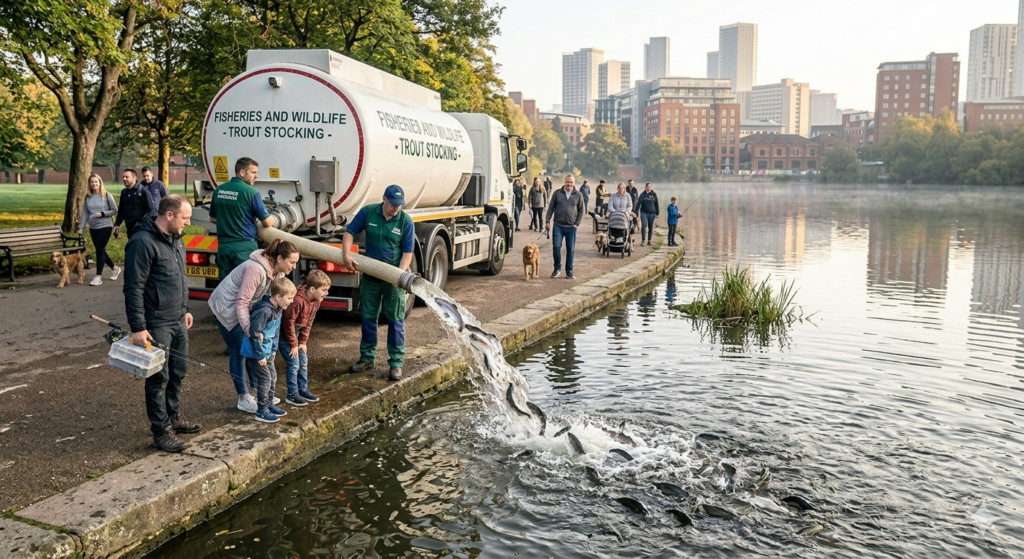
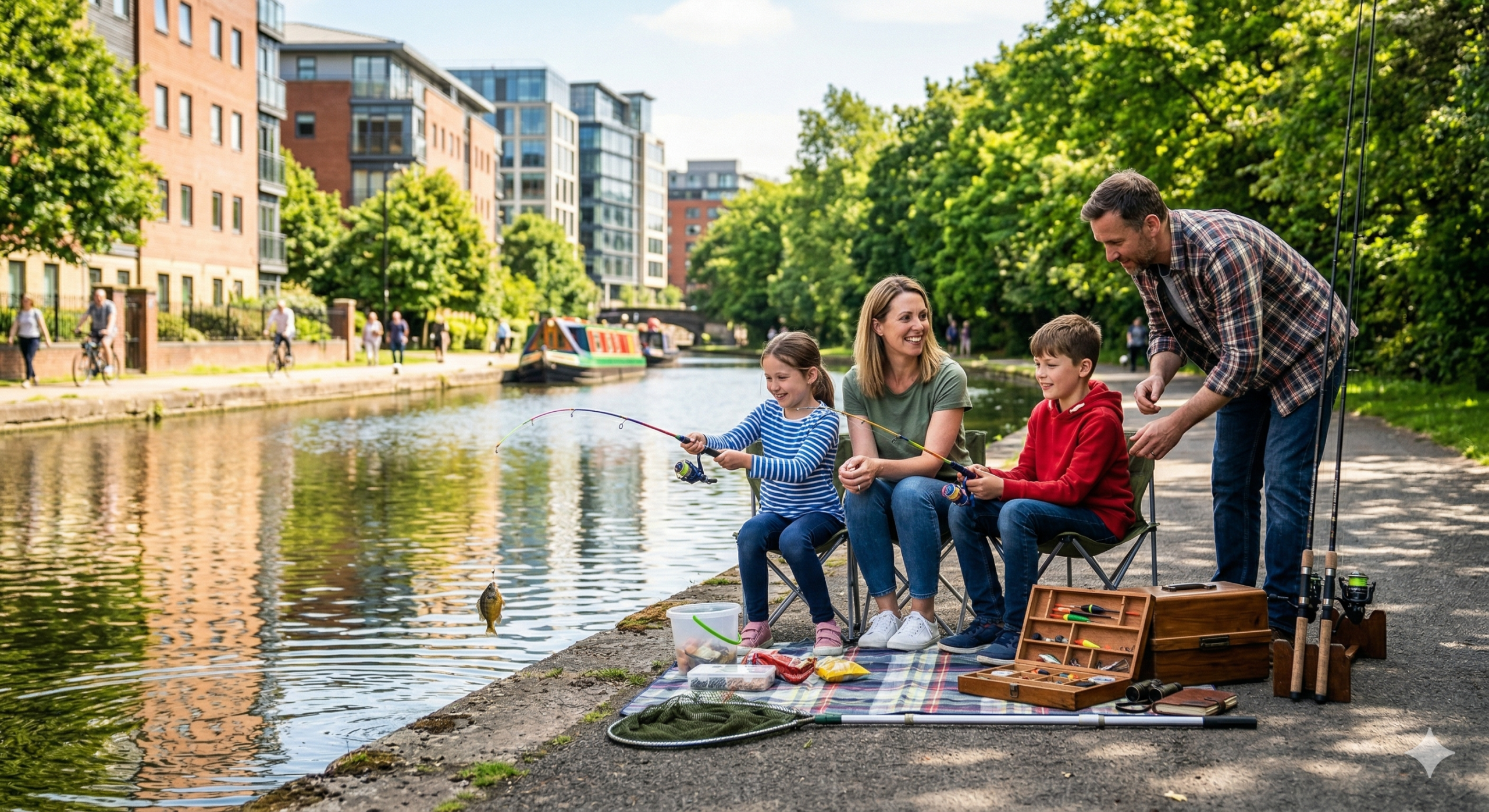
Urban fishing is convenient and exciting—but it comes with unique safety challenges you won’t face in remote locations. From busy roads to polluted water and unpredictable environments, city anglers must stay alert and prepared.
This comprehensive guide covers traffic risks, pollution concerns, and city-specific hazards, along with practical safety tips to help you fish confidently and responsibly.
Why Urban Fishing Safety Matters
Fishing in cities often means:
Close proximity to roads and vehicles
Industrial or polluted water sources
Crowded public spaces
Hard surfaces like concrete and metal
In places like Pakistan, rapid urban growth can increase these risks, making awareness essential for every angler.
1. Traffic Hazards: Fishing Near Roads and Bridges
One of the biggest dangers in urban fishing is traffic.
Common Risk Areas:
Bridges and overpasses
Roadside canals
Highway-adjacent rivers
Parking lots near fishing spots
Safety Tips:
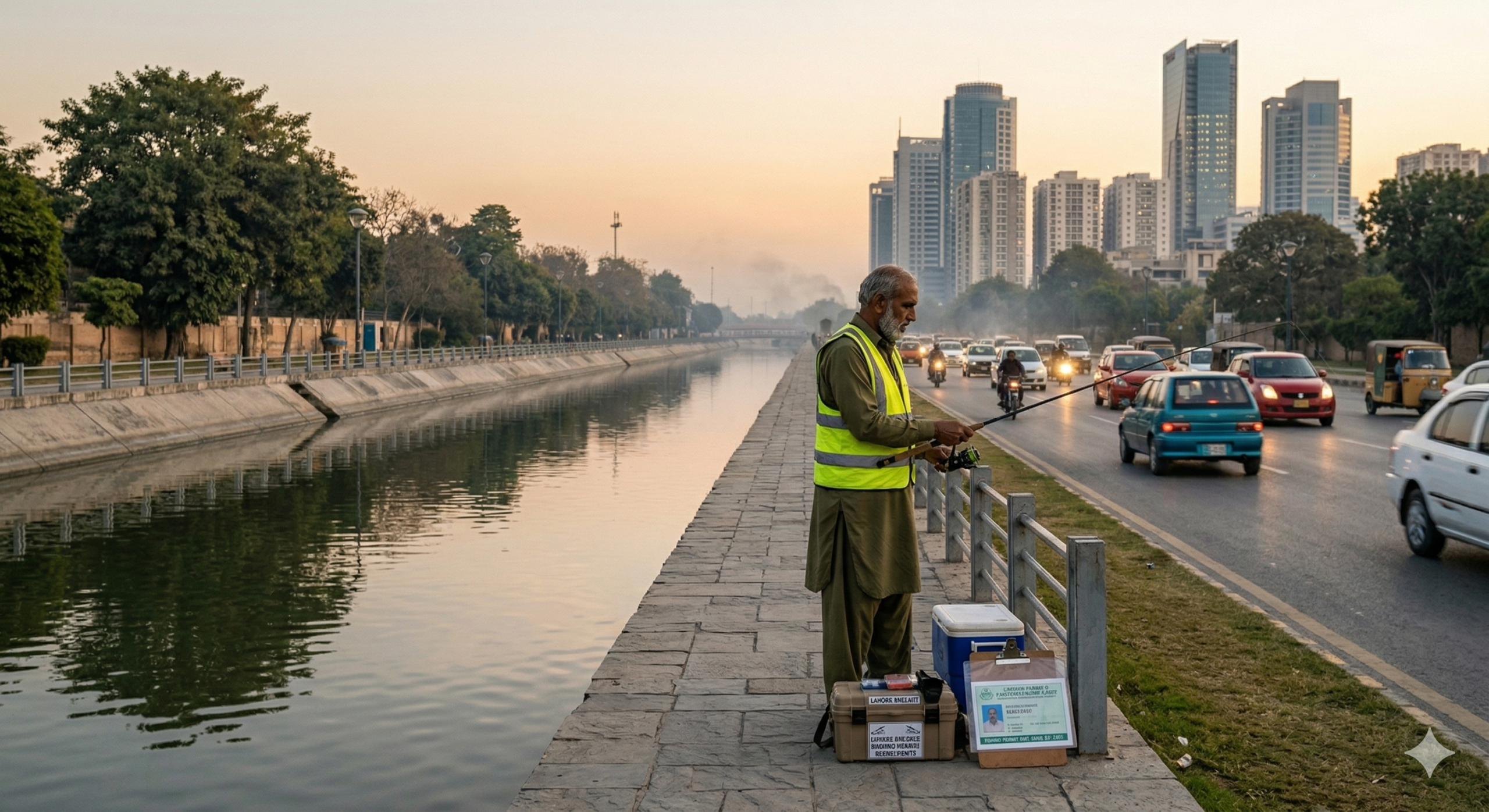
Always stay a safe distance from moving vehicles
Avoid casting near traffic lanes
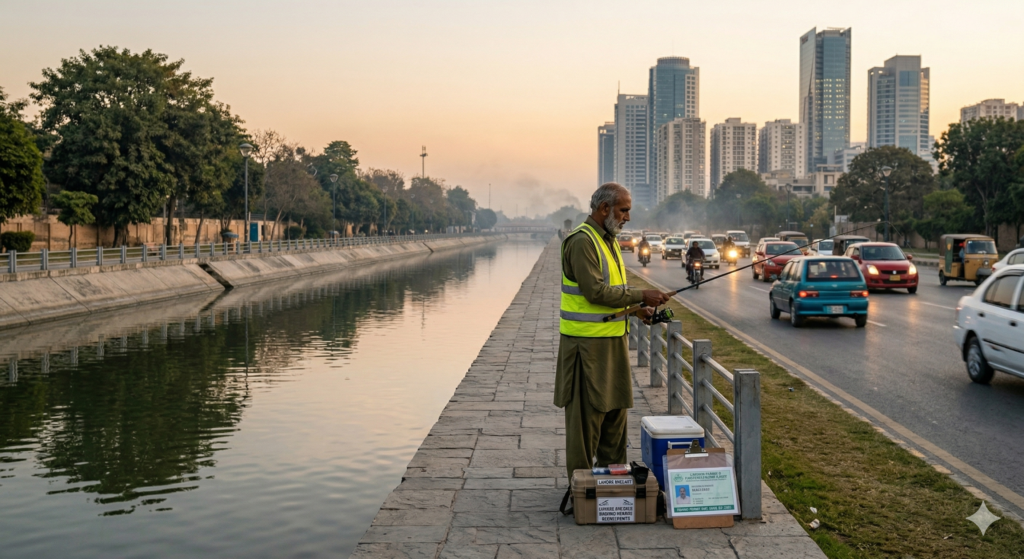
Wear bright or reflective clothing, especially at dawn or dusk
Be cautious when crossing roads with gear
Pro tip: Choose spots with designated walkways or barriers whenever possible.
2. Pollution Risks: Understanding Urban Water Quality
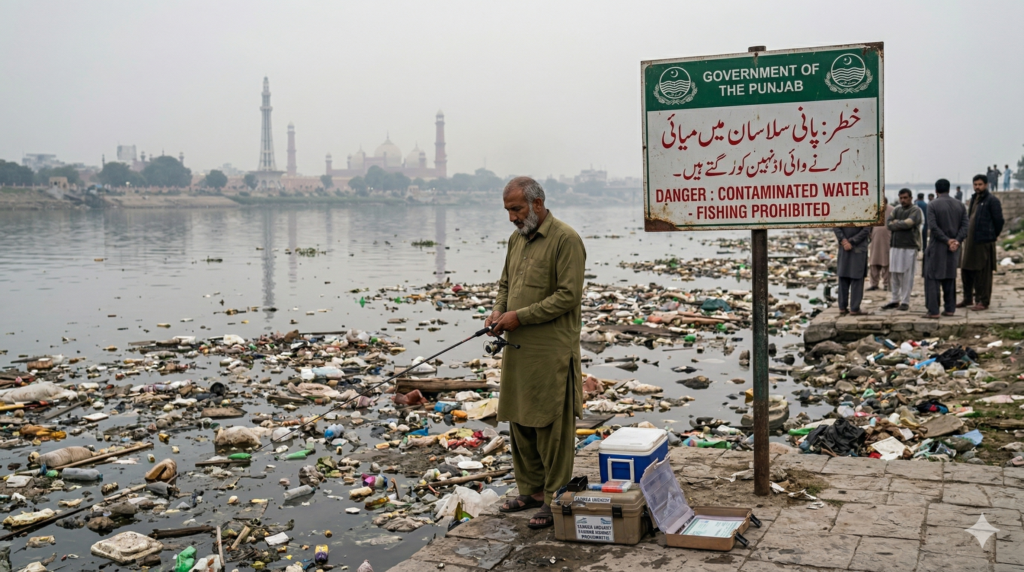
Urban waters are often affected by:
Industrial waste
Sewage runoff
Trash and debris
Chemical contamination
This can impact both fish health and your safety.
Key Concerns:
Skin irritation from contaminated water
Exposure to harmful bacteria
Eating contaminated fish
Safety Practices:
Avoid direct contact with water when possible
Wash hands thoroughly after fishing
Do not consume fish unless you’re sure the water is safe
Watch for warning signs or advisories
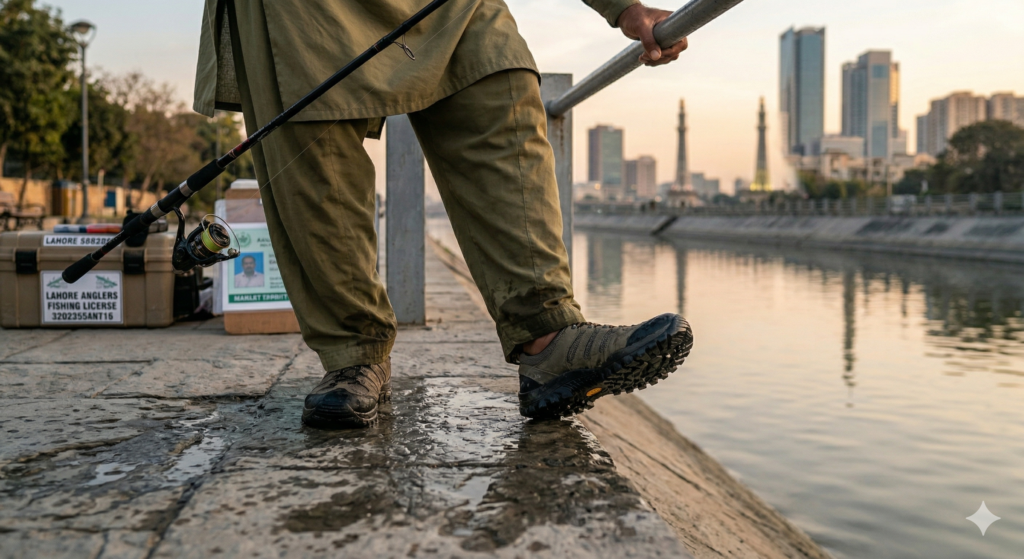
3. Slippery and Hard Surfaces
Unlike natural environments, urban fishing spots often include:
Concrete embankments
Metal railings
Wet stairs and docks
These surfaces can be dangerous, especially when wet.
How to Stay Safe:
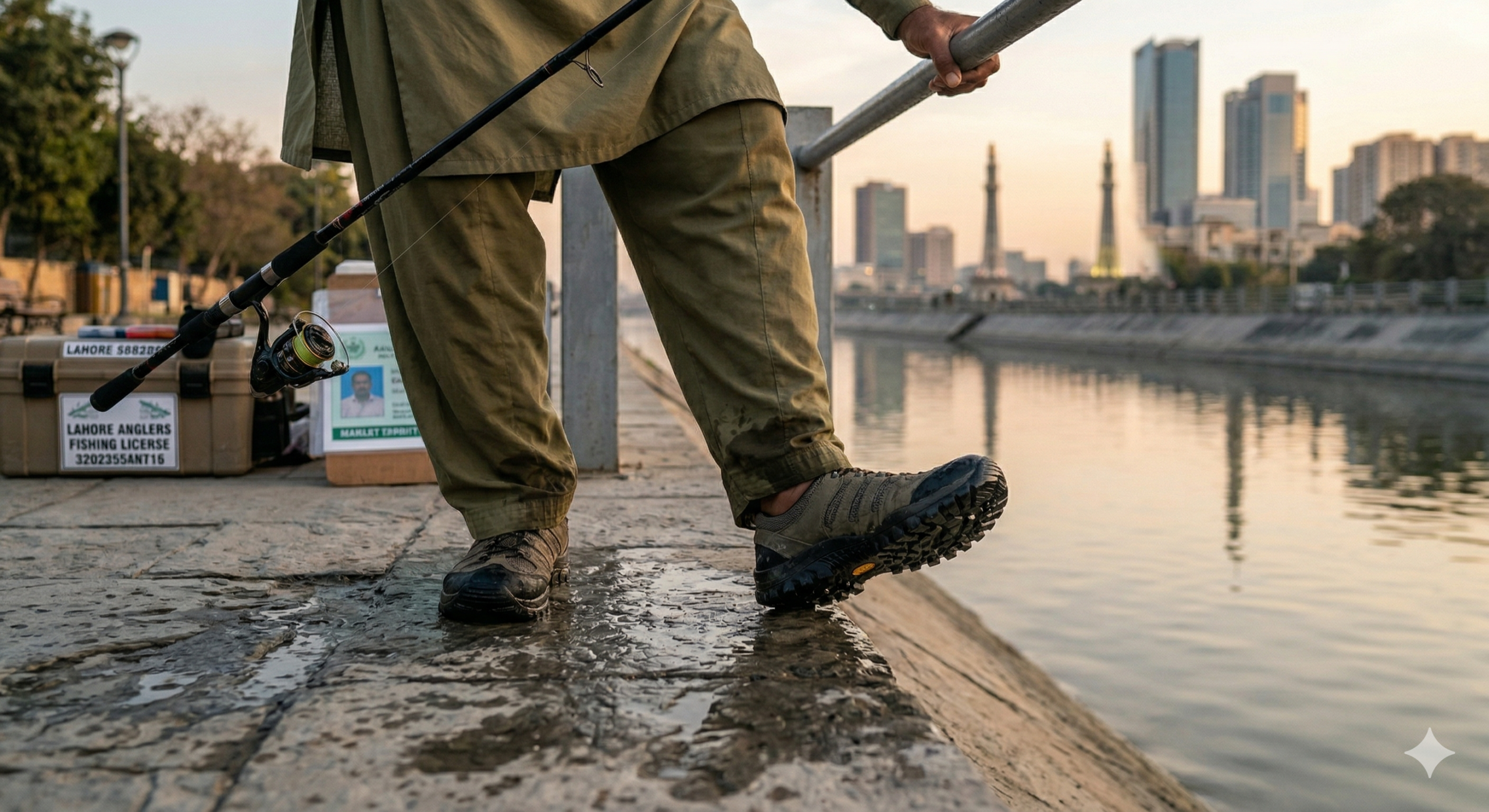
Wear non-slip footwear
Move slowly and carefully
Avoid standing too close to edges
Be extra cautious during rain
4. Crowds and Public Interaction
Urban fishing often means sharing space with:
Pedestrians
Cyclists
Families and children
Potential Issues:
Accidental hook injuries
Line tangling with passersby
Distractions while casting
Best Practices:
Look around before casting
Keep a safe casting radius
Be polite and aware of others
Avoid crowded spots during peak hours
5. Crime and Personal Safety
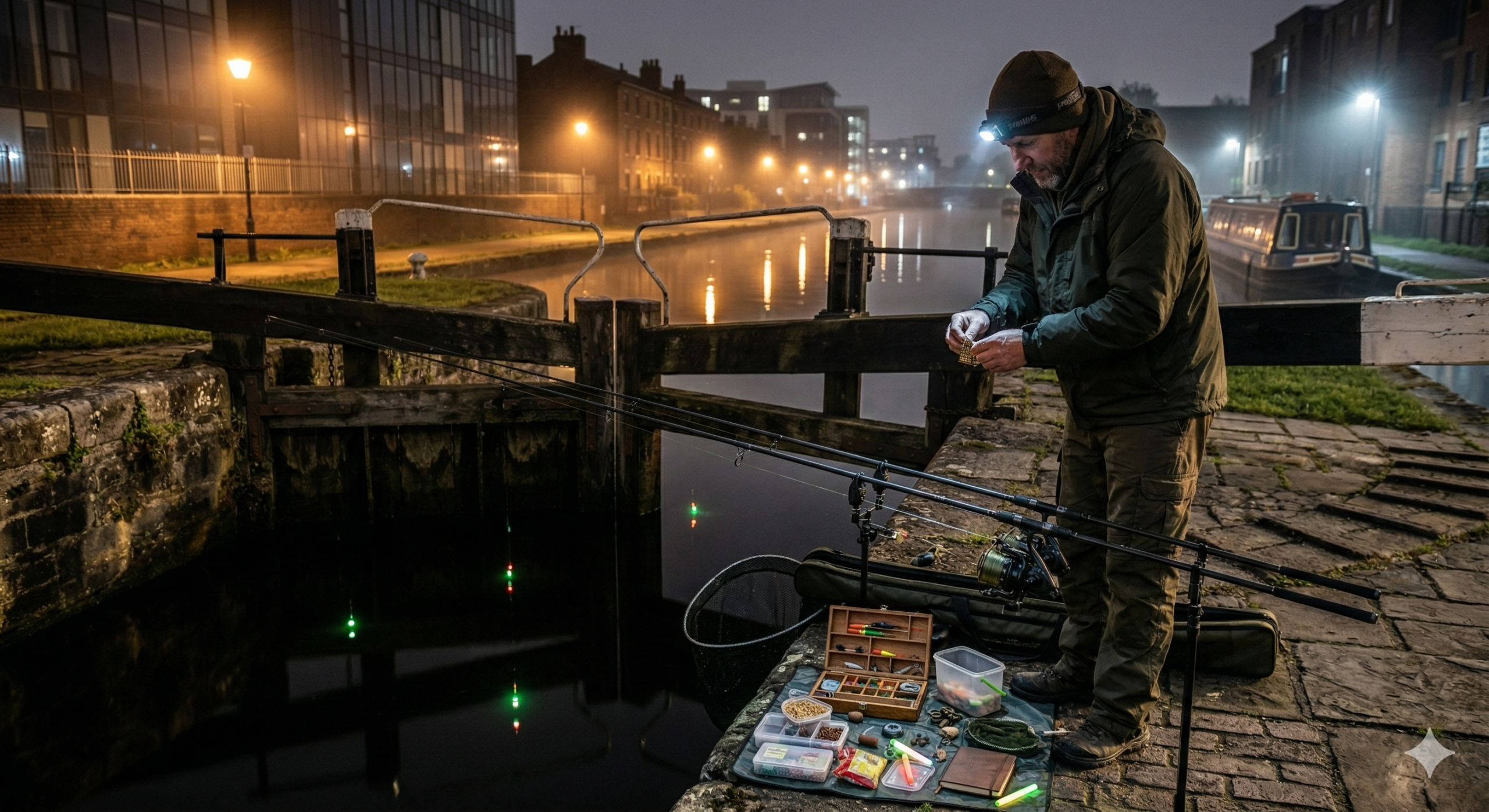
Some urban fishing locations may be isolated or poorly lit.
Risks:
Theft of gear
Personal safety concerns
Unsafe neighborhoods
Safety Tips:
Fish during daylight hours
Avoid secluded areas alone
Keep valuables minimal and secure
Inform someone about your location
6. Weather and Urban Heat
Cities tend to trap heat, creating urban heat islands.
Risks:
Dehydration
Heat exhaustion
Sunburn
How to Protect Yourself:
Carry plenty of water
Wear sunscreen and a hat
Take breaks in shaded areas
Avoid midday fishing in extreme heat
7. Electrical and Infrastructure Hazards
Urban environments include man-made structures that can pose risks:
Watch Out For:
Overhead power lines
Broken railings
Construction zones
Drainage systems
Safety Advice:
Never cast near power lines
Avoid restricted or under-construction areas
Stay alert to your surroundings
8. Wildlife and Urban Animals
Even cities have wildlife, including:
Stray dogs
Rats
Birds
Precautions:
Keep food secured
Avoid feeding animals
Stay calm and maintain distance
9. Fishing Gear Safety
Improper handling of gear can cause injuries.
Common Issues:
Hooks piercing skin
Line cuts
Slips while casting
Tips:
Handle hooks carefully
Store gear properly
Use protective gloves if needed
10. Emergency Preparedness
Being prepared can make all the difference.
Carry:
Basic first aid kit
Mobile phone
Emergency contacts
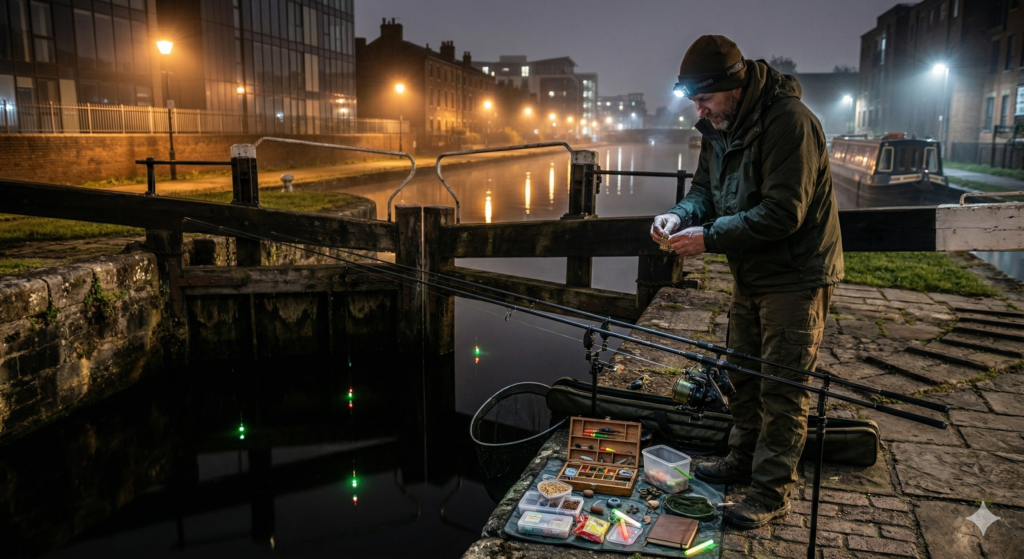
Flashlight (if fishing late)
Know:
Nearest exit routes
Nearby hospitals or clinics
Urban Fishing Safety Checklist
Before heading out, make sure you:
✔ Check the location for hazards ✔ Wear appropriate clothing and footwear ✔ Bring water and essentials ✔ Inform someone of your plan ✔ Stay aware of surroundings
Final Thoughts
Urban fishing offers incredible convenience, but safety should always come first. From traffic and pollution to crowds and infrastructure, city environments require extra awareness and preparation.
By understanding these risks and following simple precautions, you can enjoy a safe and rewarding fishing experience right in the heart of the city.
 1
1