Popular Posts

Urban Bass Fishing: Targeting Largemouth in City Lakes and Reservoirs

intro

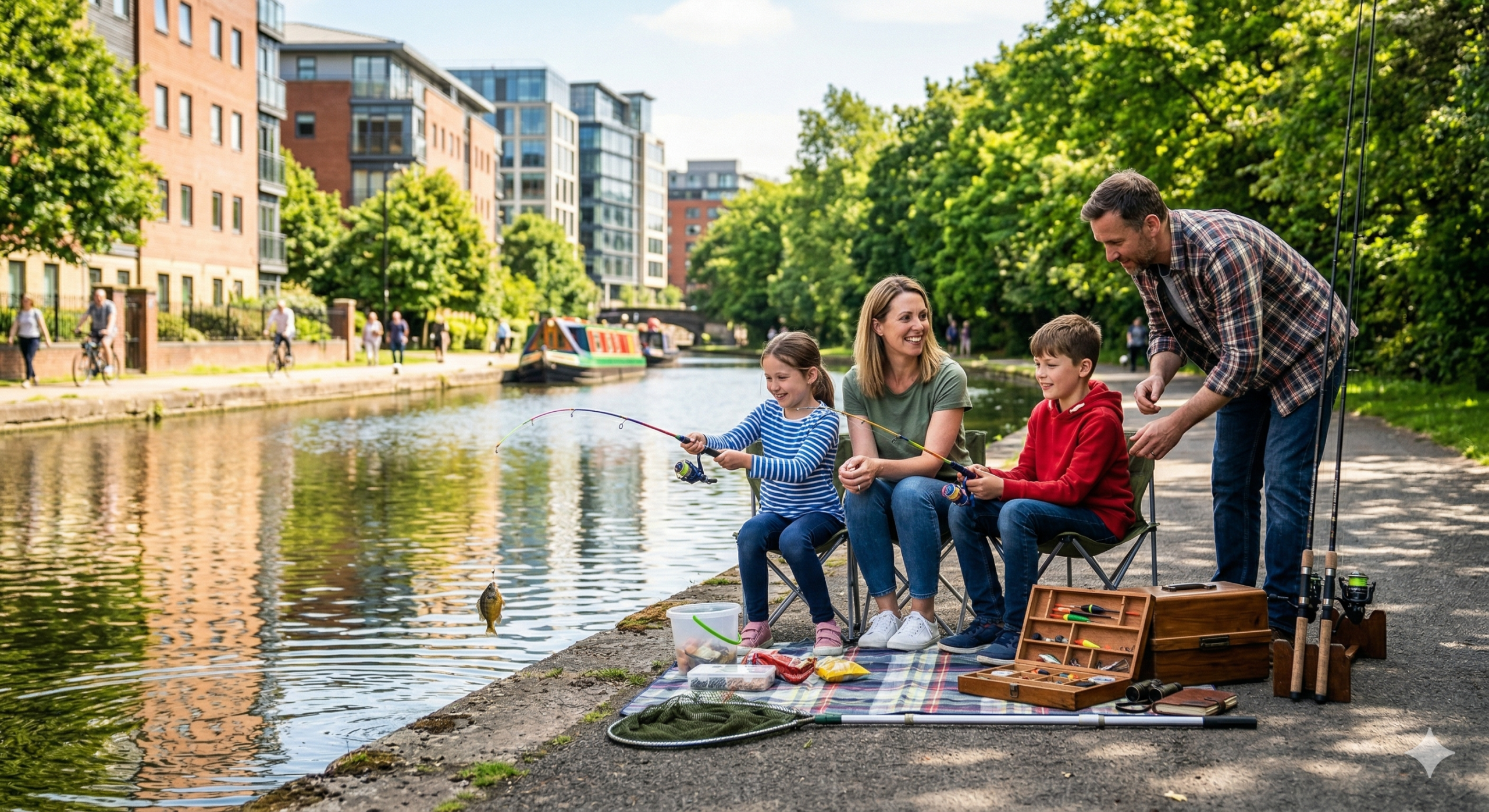
Urban bass fishing is one of the most exciting and accessible ways to catch trophy fish without leaving the city. From park lakes to reservoirs surrounded by skyscrapers, largemouth bass thrive in these environments—and with the right approach, you can consistently catch them.

In this guide, you’ll learn how to catch largemouth bass in urban lakes and reservoirs, including the best tactics, spots, lures, and seasonal strategies.
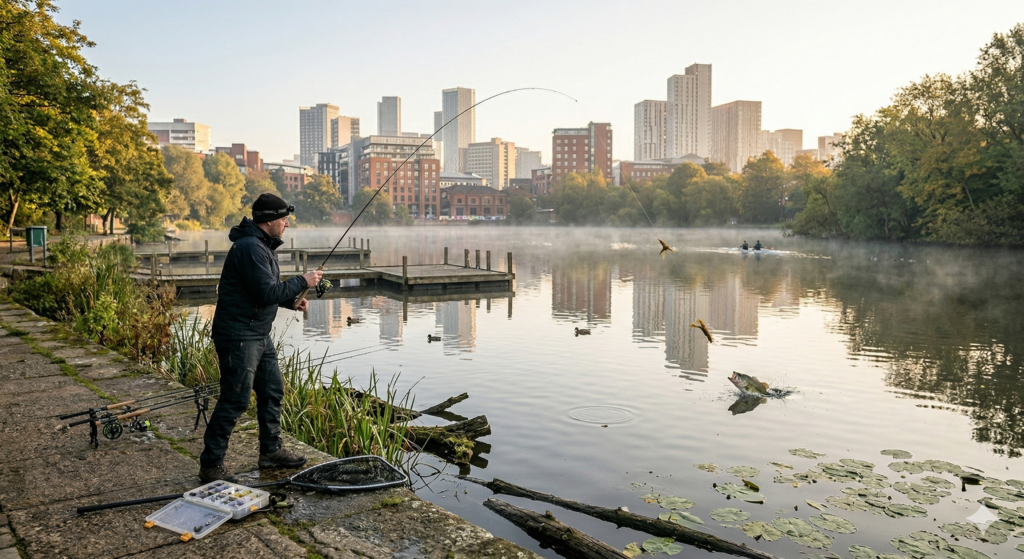

Why Largemouth Bass Thrive in Urban Waters

Largemouth bass are highly adaptable predators, making them perfectly suited for city environments. Despite noise, pollution, and fishing pressure, they continue to flourish in urban lakes and reservoirs.

Key reasons bass thrive in cities:

  • Abundant food sources like baitfish, insects, and frogs
  • Warm water temperatures due to urban heat
  • Plenty of structure such as docks, rocks, and submerged debris
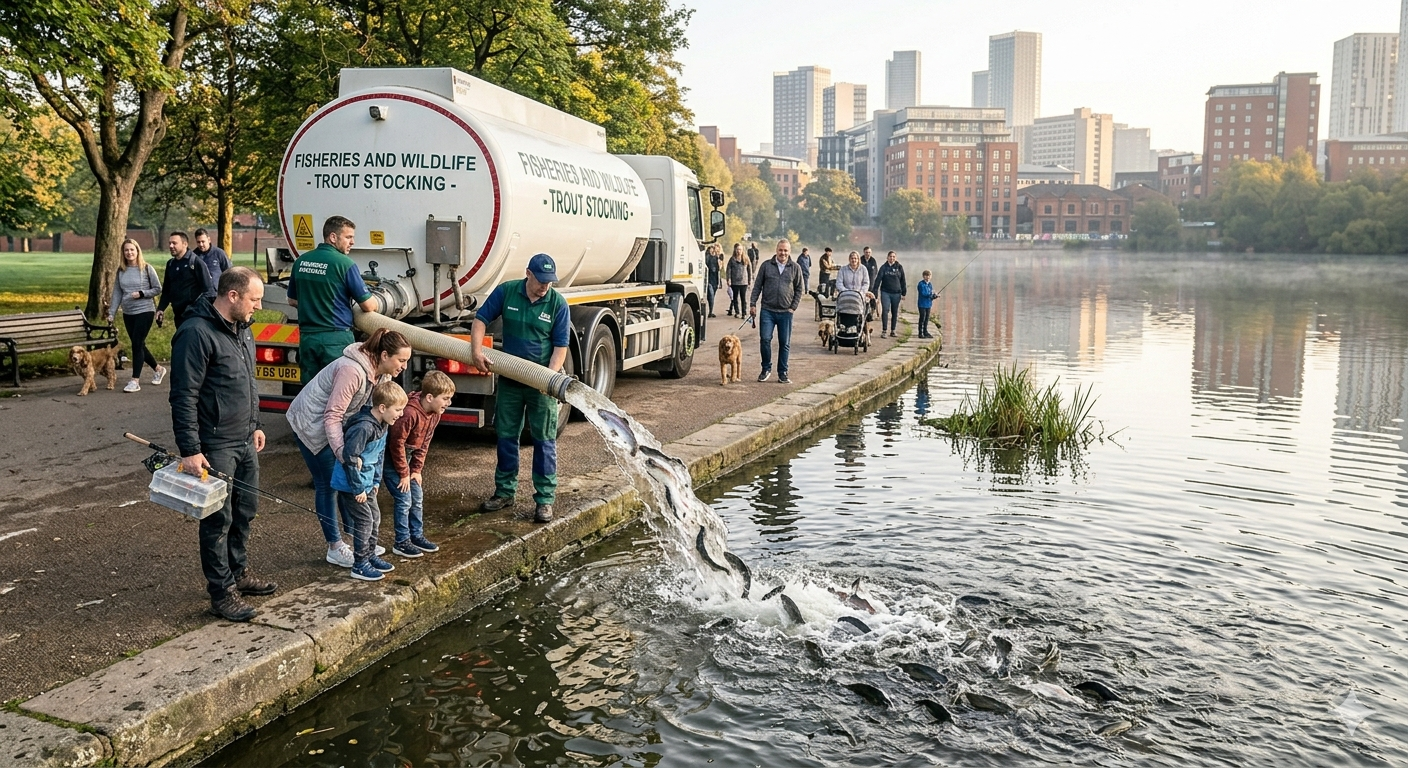
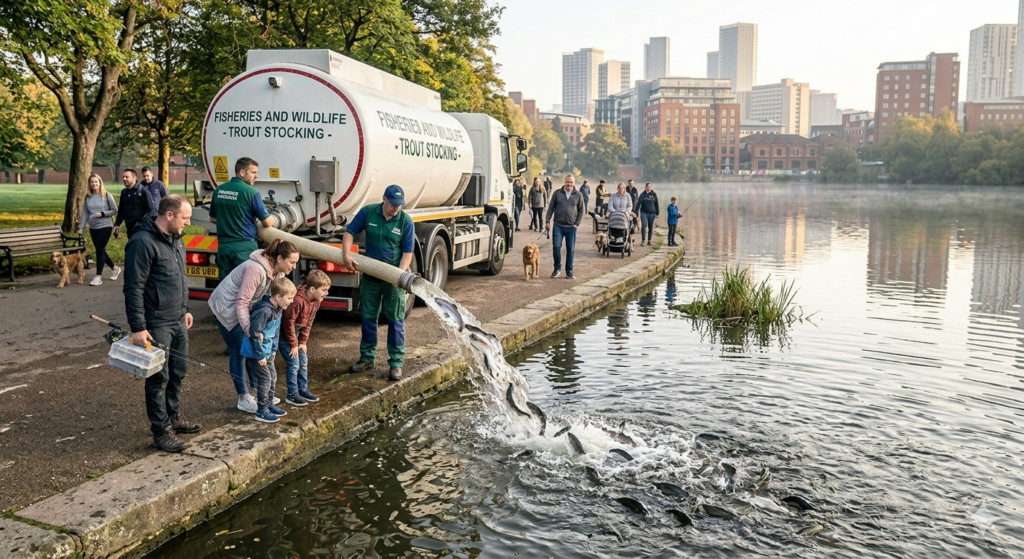
  • Stocking programs in many city lakes

Urban bass often grow large because they have consistent feeding opportunities and fewer natural predators.


Best Urban Spots to Find Largemouth Bass

Understanding where bass hide is crucial for success. In city lakes and reservoirs, bass relate heavily to structure and cover.


1. Docks and Piers

Docks are prime bass territory in urban waters.

Why they work:

  • Provide shade and cooler water
  • Attract baitfish
  • Offer protection from predators

How to fish them:

  • Cast parallel to docks
  • Skip soft plastics underneath
  • Work slowly along edges

2. Shoreline Vegetation

Grass, reeds, and weeds are bass magnets.

Look for:

  • Lily pads
  • Weed beds
  • Overgrown banks

Best approach:

  • Use weedless lures
  • Fish early morning or evening
  • Target edges where bass ambush prey

3. Drop-Offs and Depth Changes

Bass often sit near sudden depth changes.

Where to find them:

  • Reservoir ledges
  • Dam edges
  • Points extending into water

Use deeper-running lures to reach these fish.


4. Urban Structure and Cover

City lakes are full of artificial structures.

Examples:

  • Submerged shopping carts
  • Rocks and concrete blocks
  • Stormwater drains

Bass use these as ambush points, especially in pressured waters.


5. Inflows and Drainage Areas

Water inflows bring oxygen and food.

Why they’re productive:

  • Concentrate baitfish
  • Create current in otherwise still water
  • Increase feeding activity

Best Lures for Urban Largemouth Bass

Choosing the right lure is key to consistent success.


1. Soft Plastic Worms

Why they work:

  • Natural movement
  • Versatile in all conditions
  • Great for pressured fish

Best rigs:

  • Texas rig
  • Wacky rig

2. Spinnerbaits

Perfect for covering water quickly.

Best for:

  • Murky water
  • Windy conditions

The vibration helps bass locate the lure.


3. Crankbaits

Ideal for targeting deeper bass.

Use when:

  • Fishing drop-offs
  • Covering large areas

Choose colors based on water clarity.


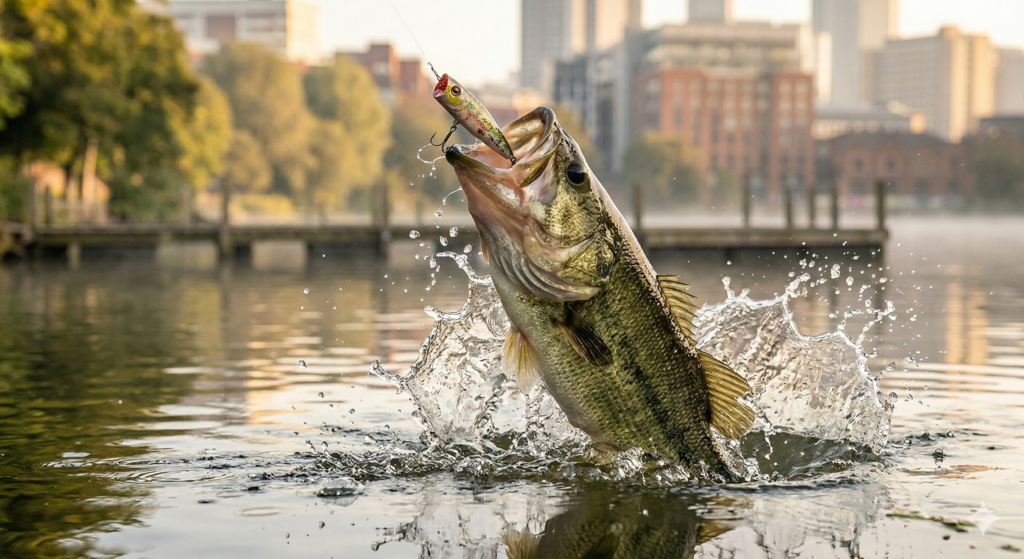
4. Topwater Lures

One of the most exciting ways to catch bass.

Best times:

  • Early morning
  • Late evening

Use poppers, frogs, or walking baits near the surface.

5. Jigs

Great for fishing heavy cover.

Why use jigs:

  • Mimic crawfish
  • Work well around structure

Effective Tactics for Urban Bass Fishing


1. Fish During Low-Light Conditions

Urban bass are more active when it’s quieter.

Best times:

  • Sunrise
  • Sunset
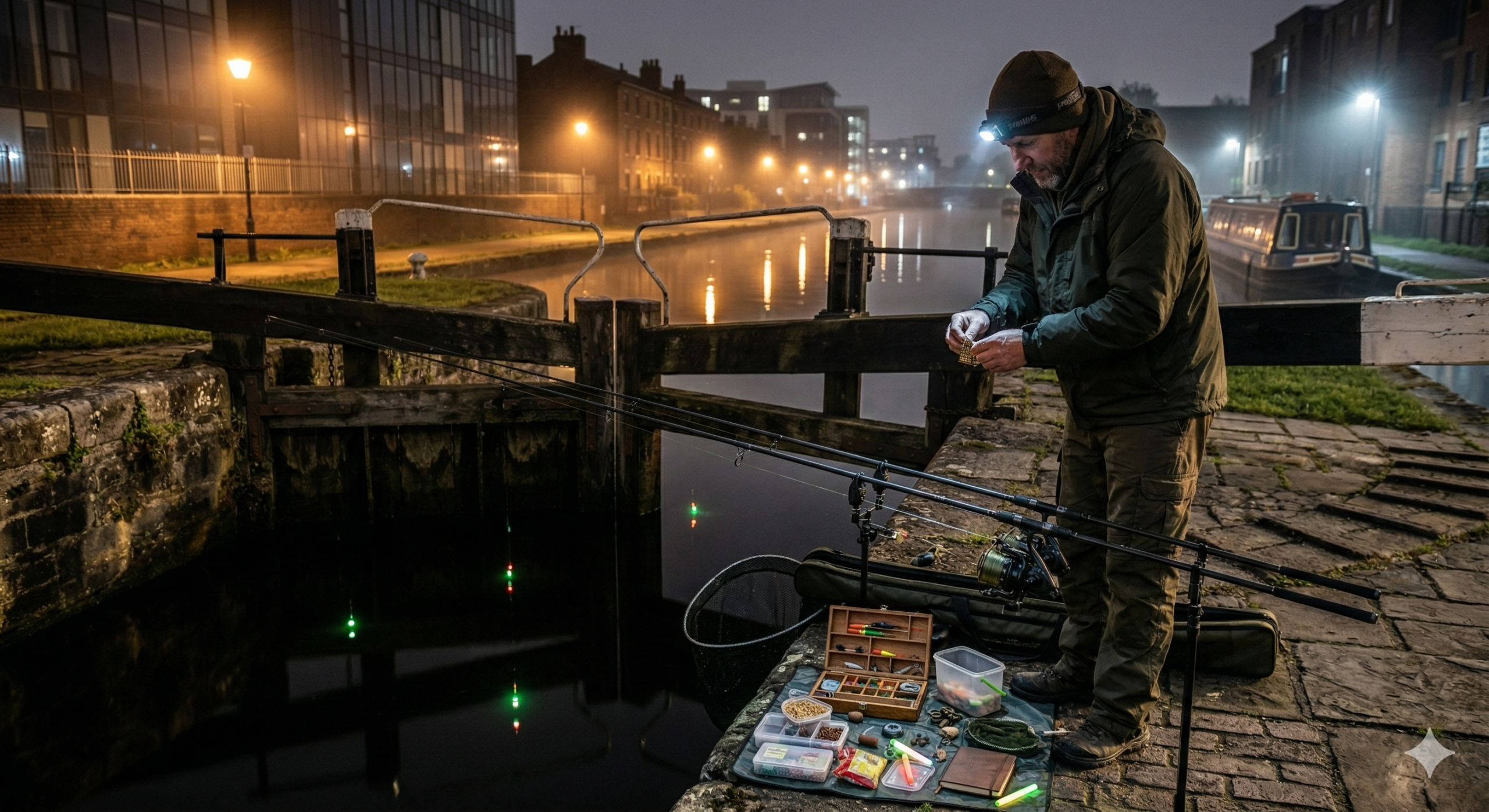
  • Night

Less human activity = more aggressive feeding.


2. Downsize Your Presentation

City bass see a lot of lures.

Tips:

  • Use smaller baits
  • Natural colors
  • Light line for finesse

3. Fish Slow and Methodically

In pressured waters, slow presentations work best.

Technique:

  • Let the lure sit
  • Use subtle movements
  • Be patient

4. Target High-Pressure Areas Differently

Popular spots still hold fish—you just need a smarter approach.

Try:

  • Fishing deeper
  • Using uncommon lures
  • Changing retrieve speed

5. Observe and Adapt

Watch how bass react and adjust your strategy.

Seasonal Guide to Urban Bass Fishing


Spring (Spawn Season)

  • Bass move to shallow water
  • Aggressive and easier to catch
  • Use soft plastics and jigs

Summer

  • Fish early morning or late evening
  • Target shaded areas
  • Use topwater and deep lures

Autumn

  • Bass feed heavily
  • Follow baitfish schools
  • Use crankbaits and spinnerbaits

Winter

  • Bass become sluggish
  • Fish deep and slow
  • Use finesse techniques

Gear Setup for Urban Bass Fishing


Rod & Reel

  • Medium or medium-heavy rod
  • Spinning or baitcasting reel

Line

  • 8–15 lb monofilament or fluorocarbon
  • Braided line for heavy cover

Terminal Tackle

  • Hooks (size 2/0–4/0)
  • Bullet weights
  • Swivels (optional)

Common Mistakes to Avoid


1. Fishing Too Fast

Urban bass often prefer slow-moving baits.


2. Ignoring Small Areas

Even tiny spots can hold big bass.


3. Using Loud, Flashy Lures in Clear Water

Natural presentations are better in pressured environments.


4. Not Changing Tactics

If something isn’t working, adapt quickly.


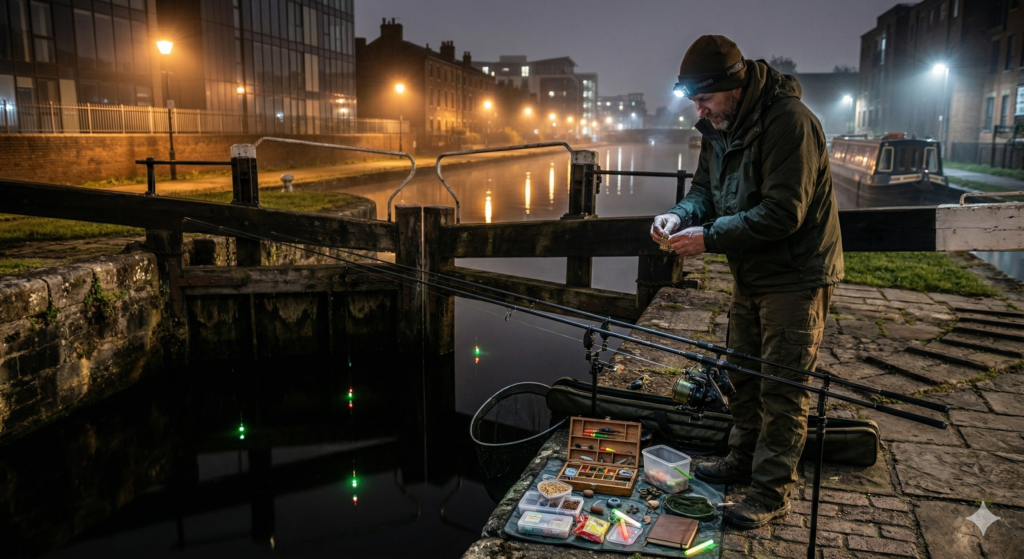
5. Overlooking Night Fishing

Nighttime can produce the biggest bass in cities.


Safety and Urban Fishing Etiquette

  • Respect public spaces and other people
  • Clean up after yourself
  • Follow local fishing regulations
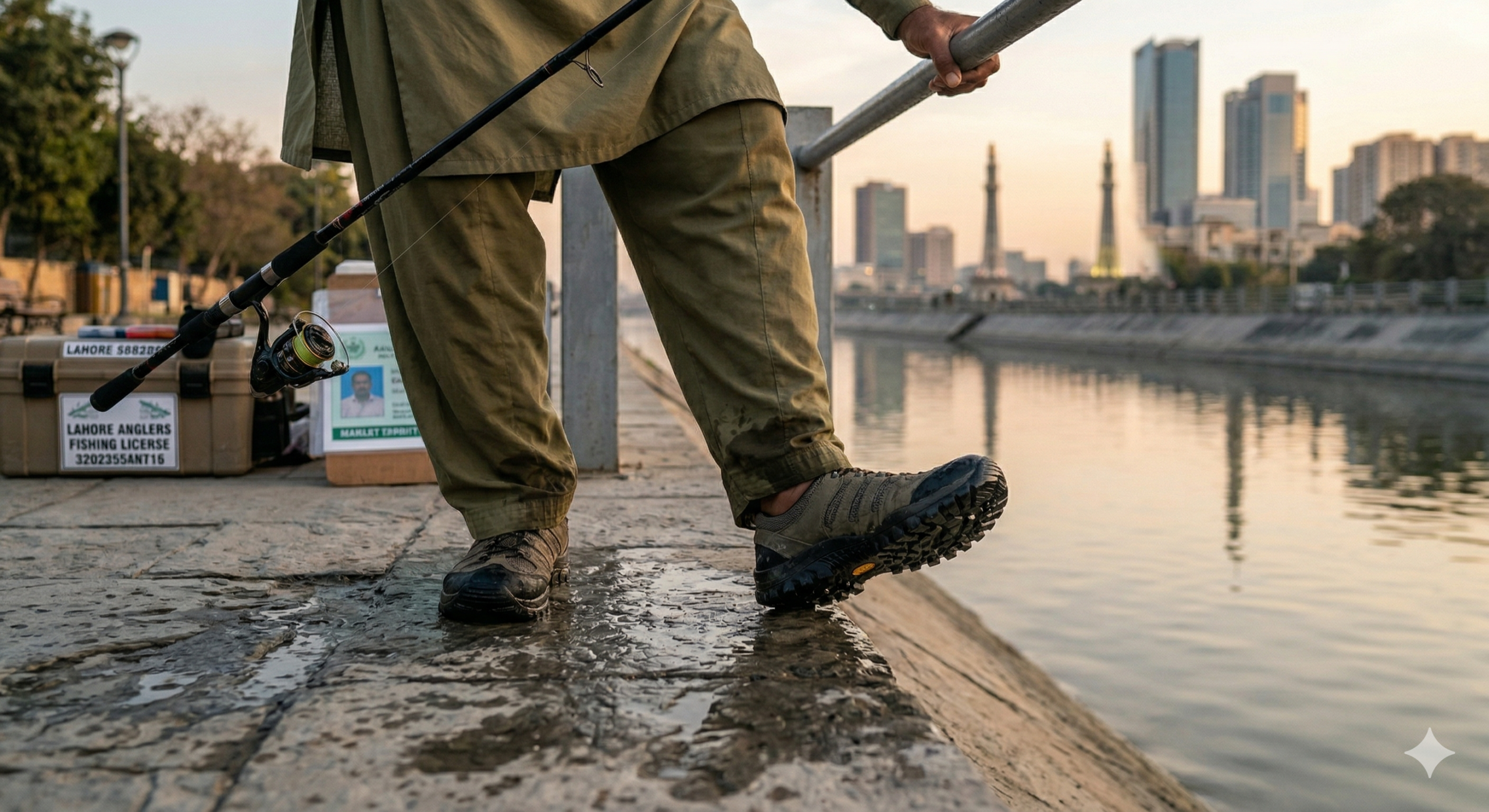
  • Be cautious around slippery concrete and deep edges

Final Thoughts

Urban bass fishing offers incredible opportunities to catch largemouth bass without traveling far. With the right knowledge of hotspots, effective lures, and smart tactics, you can turn any city lake or reservoir into a productive fishing destination.

Success in urban bass fishing comes down to understanding pressure, adapting your approach, and targeting the right areas. Once you dial in your strategy, you’ll discover that some of the best bass fishing can happen right in the heart of the city.
Leave a Reply

Your email address will not be published. Required fields are marked *