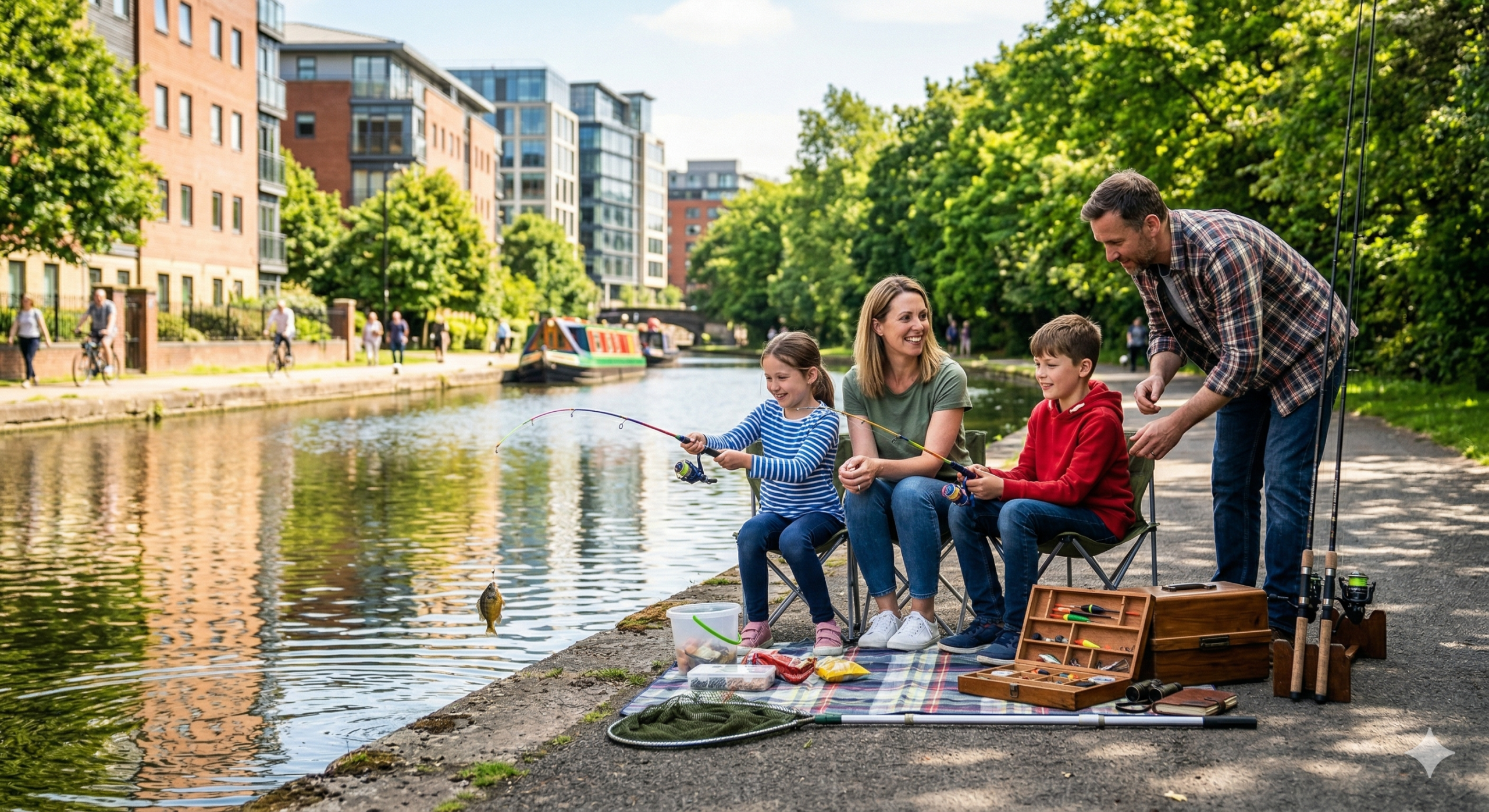
Urban reservoirs are often hidden gems for city anglers, offering a mix of convenience, structure, and a surprising variety of fish. Unlike rivers or streams, reservoirs provide deep, calm waters where fish concentrate and feed predictably. Understanding seasonal patterns, access points, and fishing tactics is essential to maximize your urban reservoir experience.
This guide will help both beginners and experienced anglers make the most of urban reservoir fishing.
Why Urban Reservoirs Are Great Fishing Spots
Urban reservoirs combine accessibility with productive fishing:
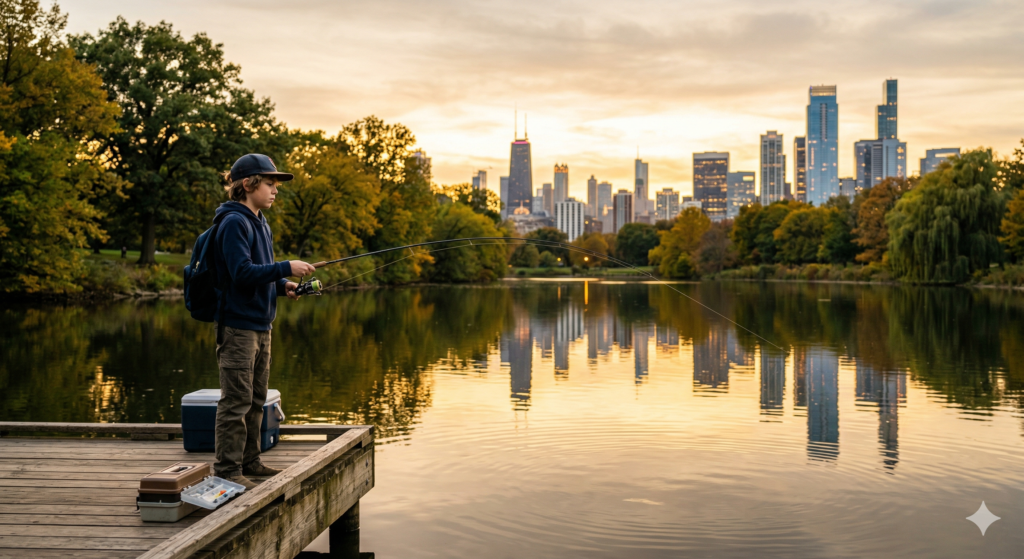
Easy Access – Usually located near city centers or suburbs, accessible by car, bike, or walking.
Diverse Fish Populations – Stocked species and naturally reproducing fish create opportunities for multiple types of angling.
Year-Round Fishing – Reservoirs maintain more stable water levels than rivers, allowing fishing in multiple seasons.
Family-Friendly – Many urban reservoirs have parks, picnic areas, and paths for beginners and children.
Even small urban reservoirs can produce surprisingly large fish if you understand where and when to fish.
Common Fish Species in Urban Reservoirs
Urban reservoirs typically host a variety of species depending on stocking programs, water type, and habitat.
1. Largemouth Bass
Ambush predators thriving near submerged structure.
Active in warmer months, especially around coves, docks, and fallen trees.
2. Bluegill and Sunfish
Abundant, easy-to-catch panfish.
Perfect for beginners and children.
3. Carp
Often found in muddy, shallow areas near inflows.
Feed heavily during dawn and dusk.
4. Catfish
Present in larger reservoirs or those with stocking programs.
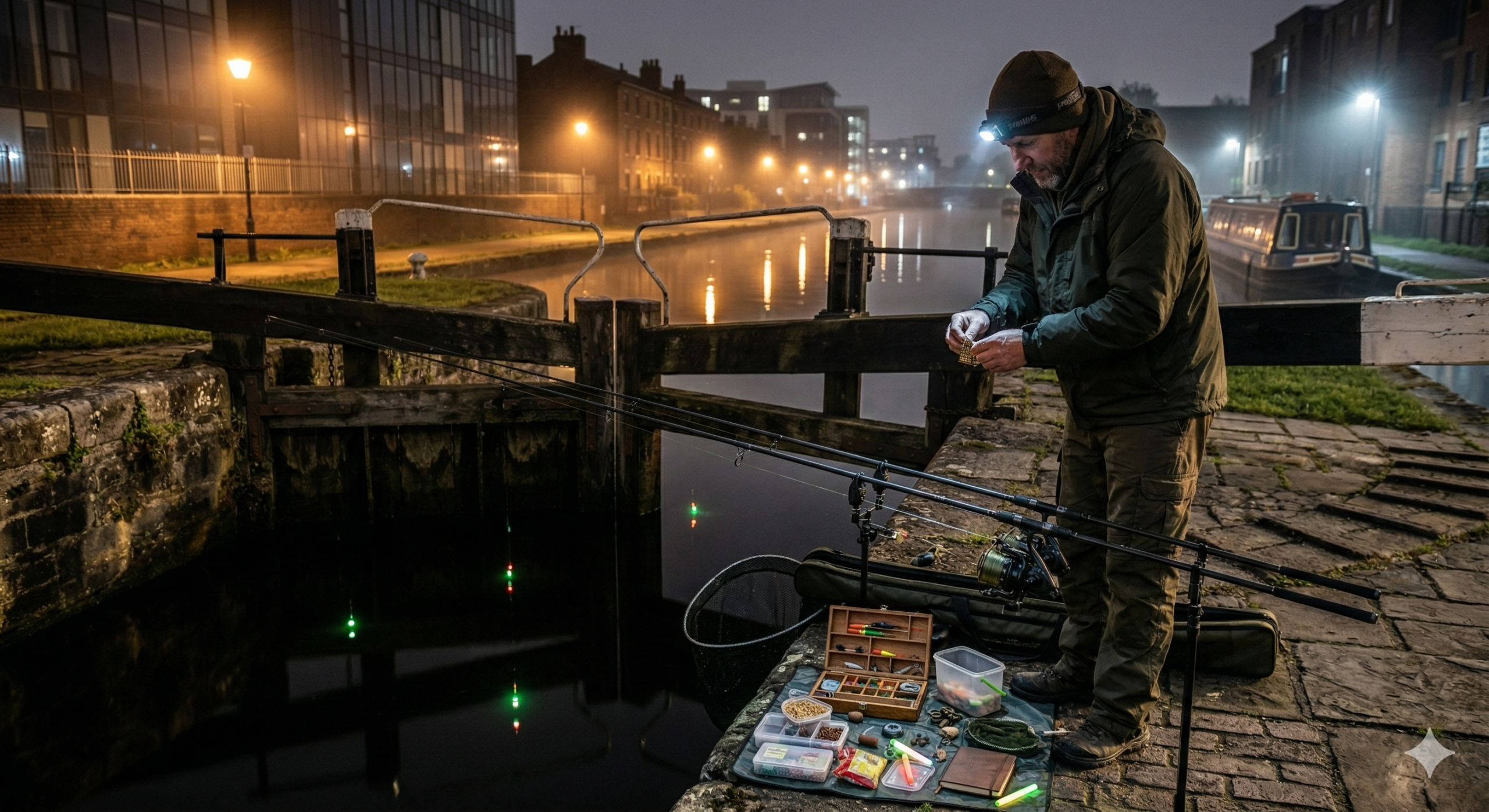
Mostly nocturnal, ideal for night fishing or twilight sessions.
5. Trout
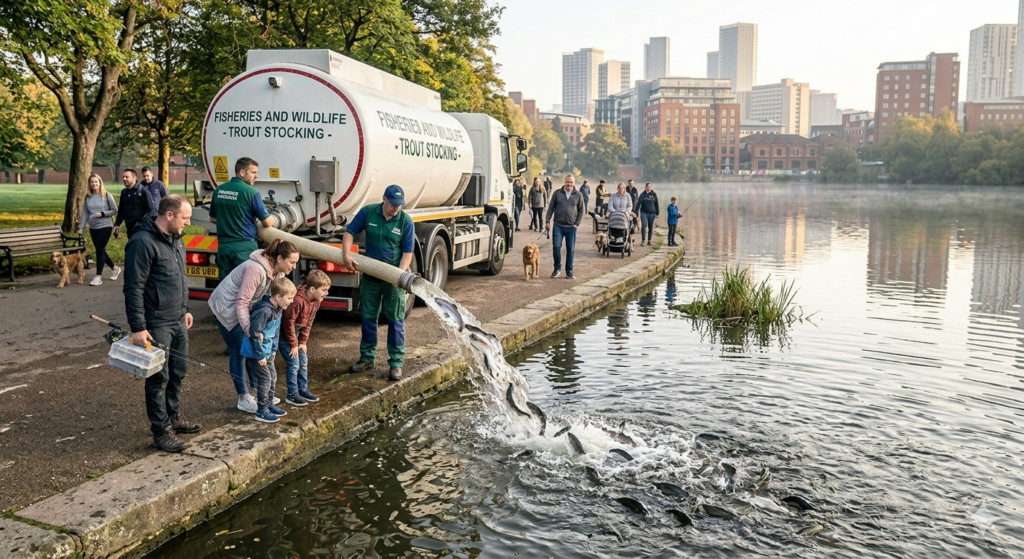
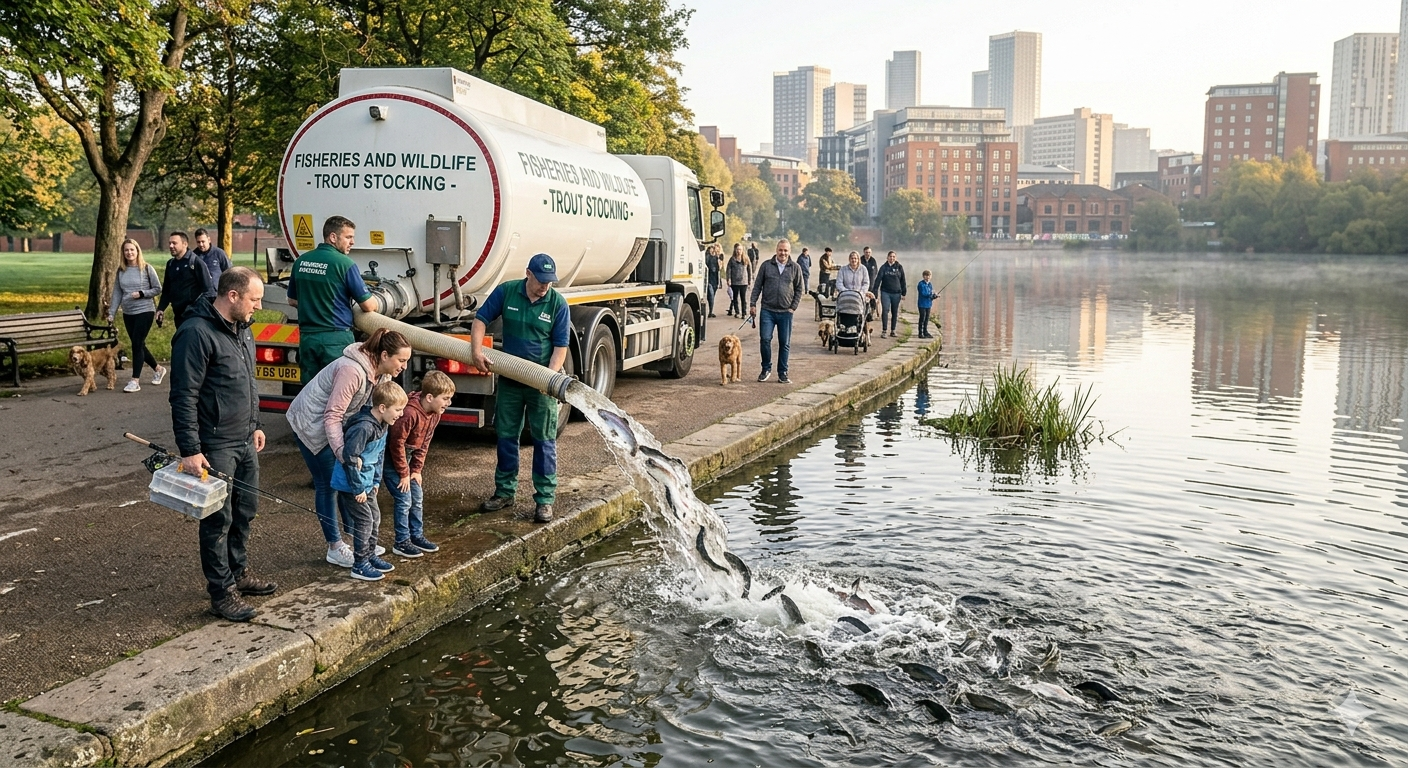
Stocked in colder urban reservoirs during spring or fall.
Best caught near inflows or in cooler, deeper water.
6. Crappie and Perch
Found in areas with submerged vegetation or sunken structures.
Seasonal Fishing Patterns in Urban Reservoirs
Understanding how fish behavior changes with the seasons can improve your catch rate.
Spring
Water warms, fish become more active after winter.
Bass move to shallow coves for feeding; carp feed near banks.
Ideal time for topwater lures, soft plastics, and float fishing for panfish.
Summer
Fish seek cooler, deeper waters during hot afternoons.
Early morning and late evening are most productive.
Use thermocline knowledge to target species like bass and trout.
Autumn
Predatory species feed aggressively to prepare for winter.
Larger baits and feeder rigs for bottom feeders like carp or catfish.
Excellent time for trolling or casting near cover.
Winter
Fish slow down in cold water, staying near deep holes or inflows.
Bottom fishing and slow presentations are more effective.
Trout stocking events may provide short-term action.
Access Tips for Urban Reservoir Fishing
1. Shoreline Access
Parks often have maintained paths, benches, and casting points.
Look for shallow areas and coves for bass and carp.
2. Designated Fishing Areas
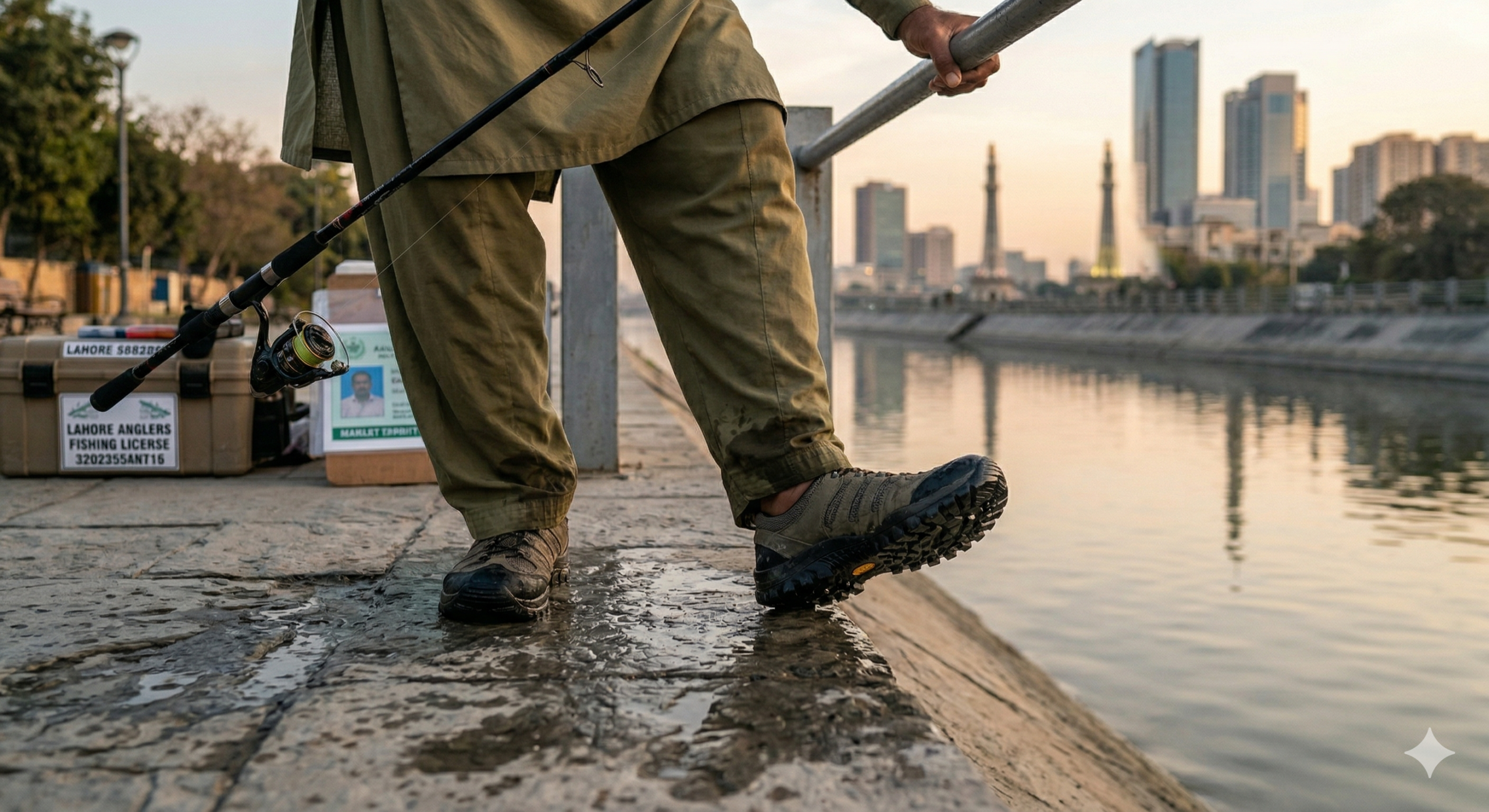
Many urban reservoirs have marked fishing zones to protect wildlife or reduce conflicts with swimmers and boaters.
3. Boat or Kayak Access
If allowed, small boats or kayaks provide access to deeper water and isolated fish-holding areas.
Always check local regulations for boat types, permits, and speed limits.
4. Inflow and Outflow Zones
Fish often gather near streams entering or leaving the reservoir.
These areas provide oxygen-rich water and natural food sources.
5. Observe and Scout
Look for surface activity like jumping fish or feeding birds.
Identify underwater structures using depth sounders if permitted.
Best Gear and Tackle for Reservoir Fishing
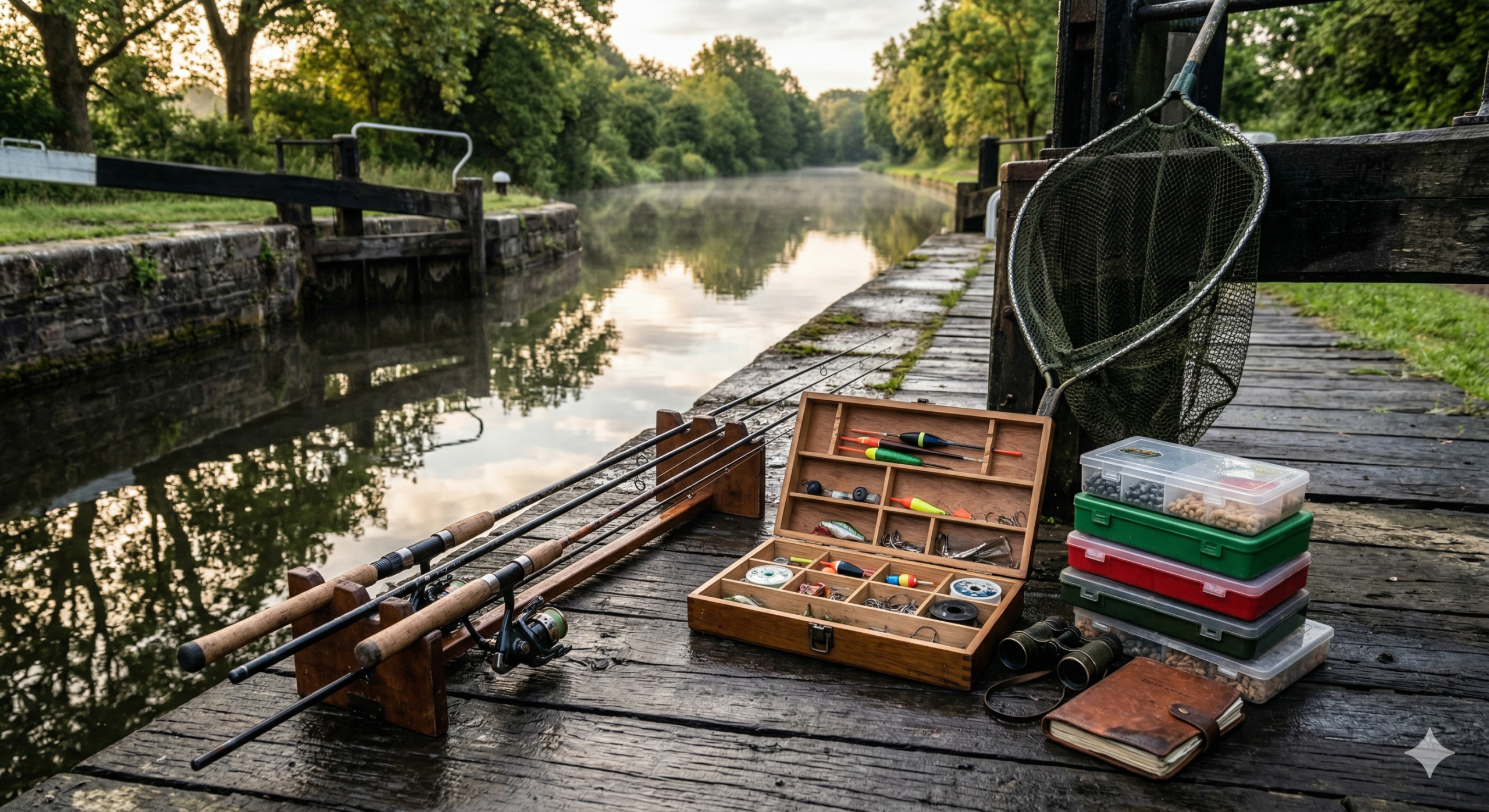
Rods & Reels
Spinning rods 6–7 ft: Versatile for most panfish, bass, and carp.
Feeder rods 10–12 ft: Ideal for bottom fishing.
Baitcasting rods: Useful for precise lure placement around cover.
Line
Monofilament 6–12 lb for panfish and bass.
Braided 15–30 lb for carp or fishing near submerged structures.
Hooks & Terminal Tackle
Size 8–12 for panfish, 1/0–4/0 for larger species.
Slip sinkers or feeder rigs for bottom fishing.
Bobbers and floats for shallow water presentation.
Bait & Lures
Live bait: worms, minnows, and maggots.
Prepared bait: corn, boilies, or PowerBait for trout and carp.
Artificial lures: soft plastics, crankbaits, spoons, and jigs.
Techniques for Urban Reservoir Fishing
1. Float Fishing
Excellent for sunfish, bluegill, and roach.
Cast near vegetation or along drop-offs for best results.
2. Bottom Fishing / Feeder Fishing
Effective for carp, catfish, and bream.
Use groundbait to attract fish to your spot.
3. Lure Fishing
Target bass, perch, and predatory trout.
Cast around docks, submerged trees, or rocky points.
4. Topwater Fishing
Best in spring and early summer for active bass.
Early morning and evening produce the most strikes.
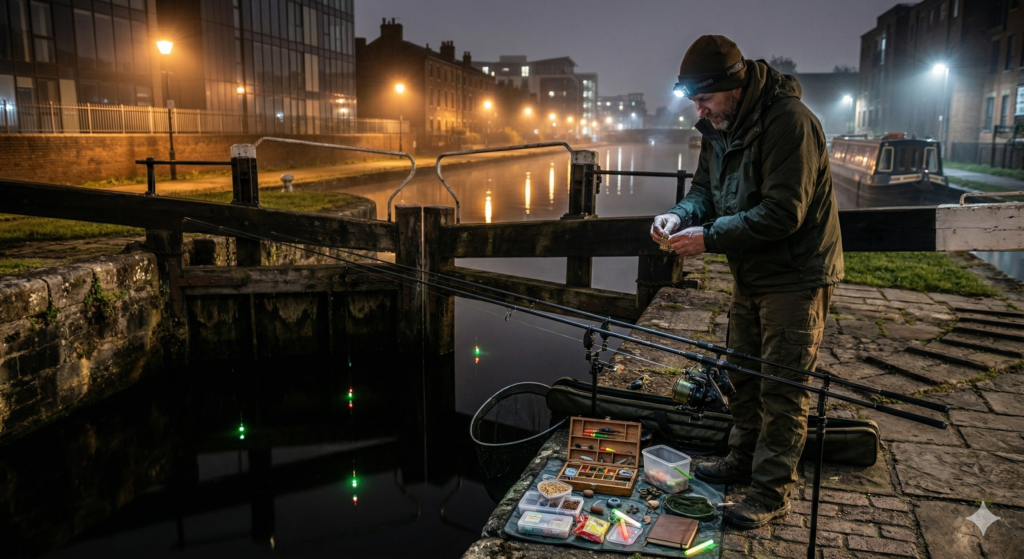
5. Night Fishing
Catfish and carp are more active after dark.
Glow bobbers or bait alarms help detect bites.
Safety Tips for Urban Reservoir Fishing
Follow local rules and permit requirements.
Be mindful of slippery banks, algae, and sudden drop-offs.
Keep first aid and communication devices handy.
Avoid leaving trash or bait behind to protect the environment.
Practice catch-and-release where required to maintain fish populations.
Urban Reservoir Fishing Etiquette
Respect other anglers and park visitors.
Fish only in designated areas to protect wildlife and swimming zones.
Keep paths clear and gear organized.
Dispose of bait and packaging responsibly.
Why Urban Reservoir Fishing Is Underrated
Many anglers overlook reservoirs in favor of rivers or distant lakes.
They combine accessibility, structure, and species diversity.
Urban reservoirs provide productive fishing with minimal travel and can be ideal for beginners, families, and seasoned anglers alike.
Final Thoughts
Urban reservoir fishing is an accessible and rewarding way to enjoy angling, even within city limits. By understanding seasonal patterns, fish behavior, and access tips, you can consistently catch a variety of species.
Whether you’re targeting bass in spring, trout in fall, or catfish at night, urban reservoirs offer a convenient, productive, and enjoyable fishing experience for anglers of all skill levels.
 1
1