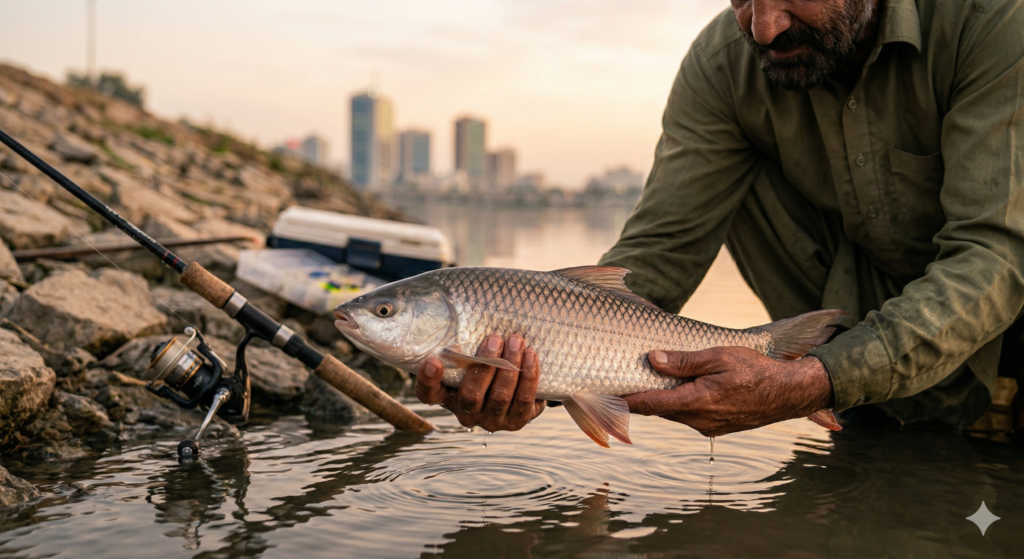
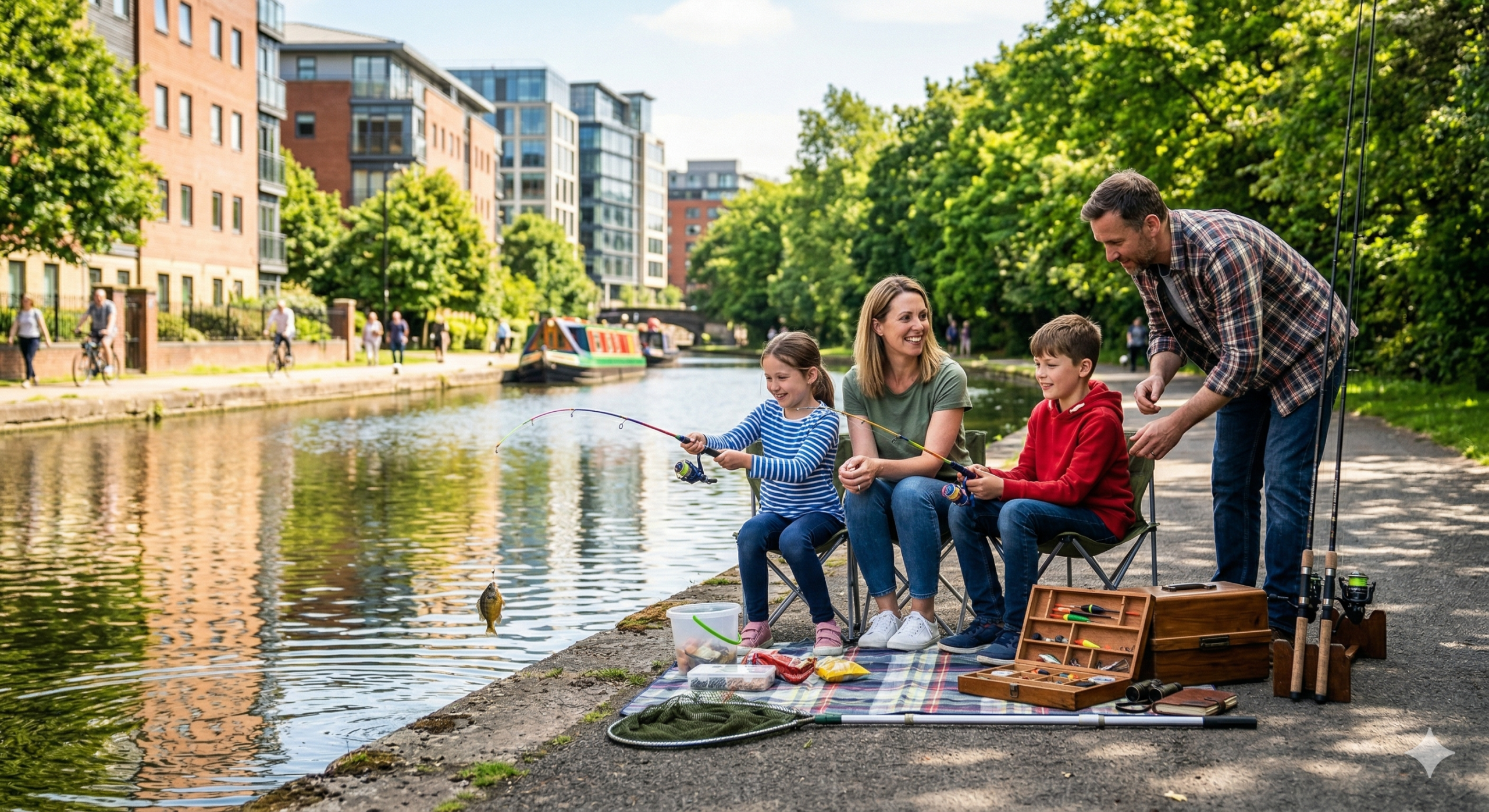
When most anglers think of fishing, they imagine remote lakes or rivers, but many cities hide productive fishing spots right in plain sight: stormwater retention ponds. Often overlooked, these ponds are designed to manage runoff, reduce flooding, and improve water quality—but they also create surprisingly fertile habitats for fish.
This guide will explore stormwater pond fishing, including species to target, access tips, tactics, and safety considerations for these urban angling gems.
Why Stormwater Ponds Are Good for Fishing
Stormwater retention ponds may seem unassuming, but they offer several advantages for anglers:
Convenient Urban Access – Located near neighborhoods, parks, and office complexes.
Sheltered Environment – Calm water with little boat traffic makes them ideal for beginners.
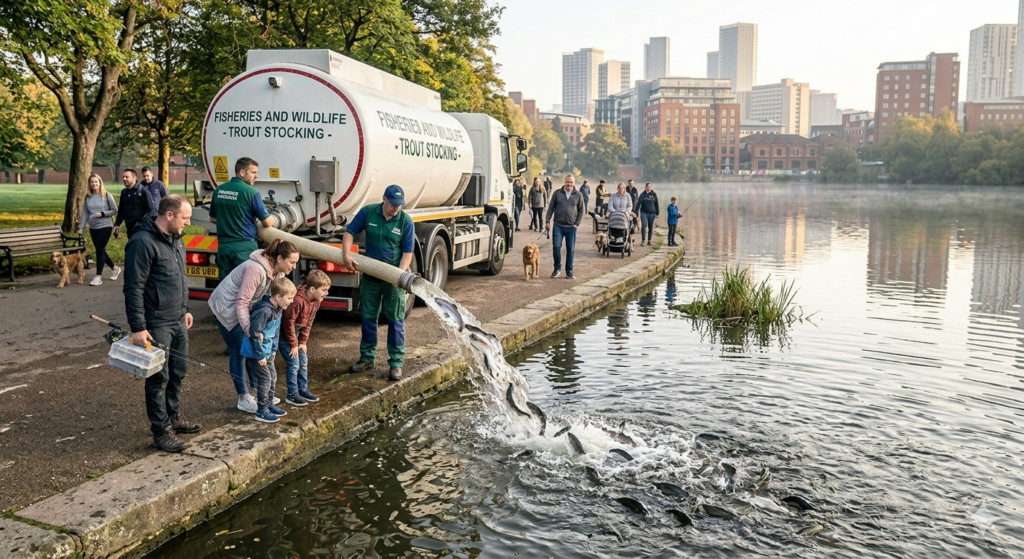
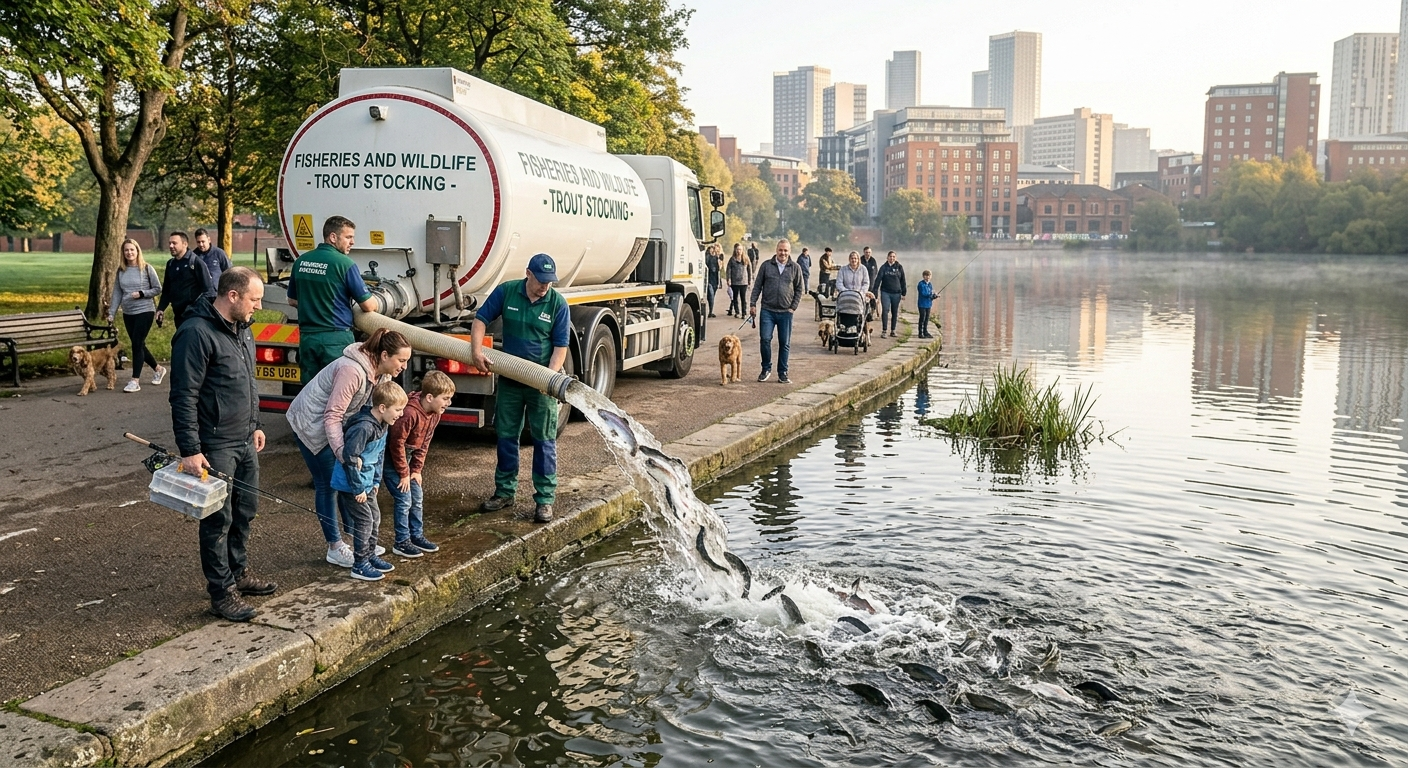
Natural and Stocked Fish Populations – Many ponds contain bass, panfish, and stocked species.
Abundant Food Sources – Insects, plankton, and small baitfish attract larger predators.
Quiet and Private – Often less crowded than city lakes, reservoirs, or public piers.
Despite their practical purpose, stormwater ponds often become hidden fishing hotspots for local anglers.
Common Fish Species in Stormwater Ponds
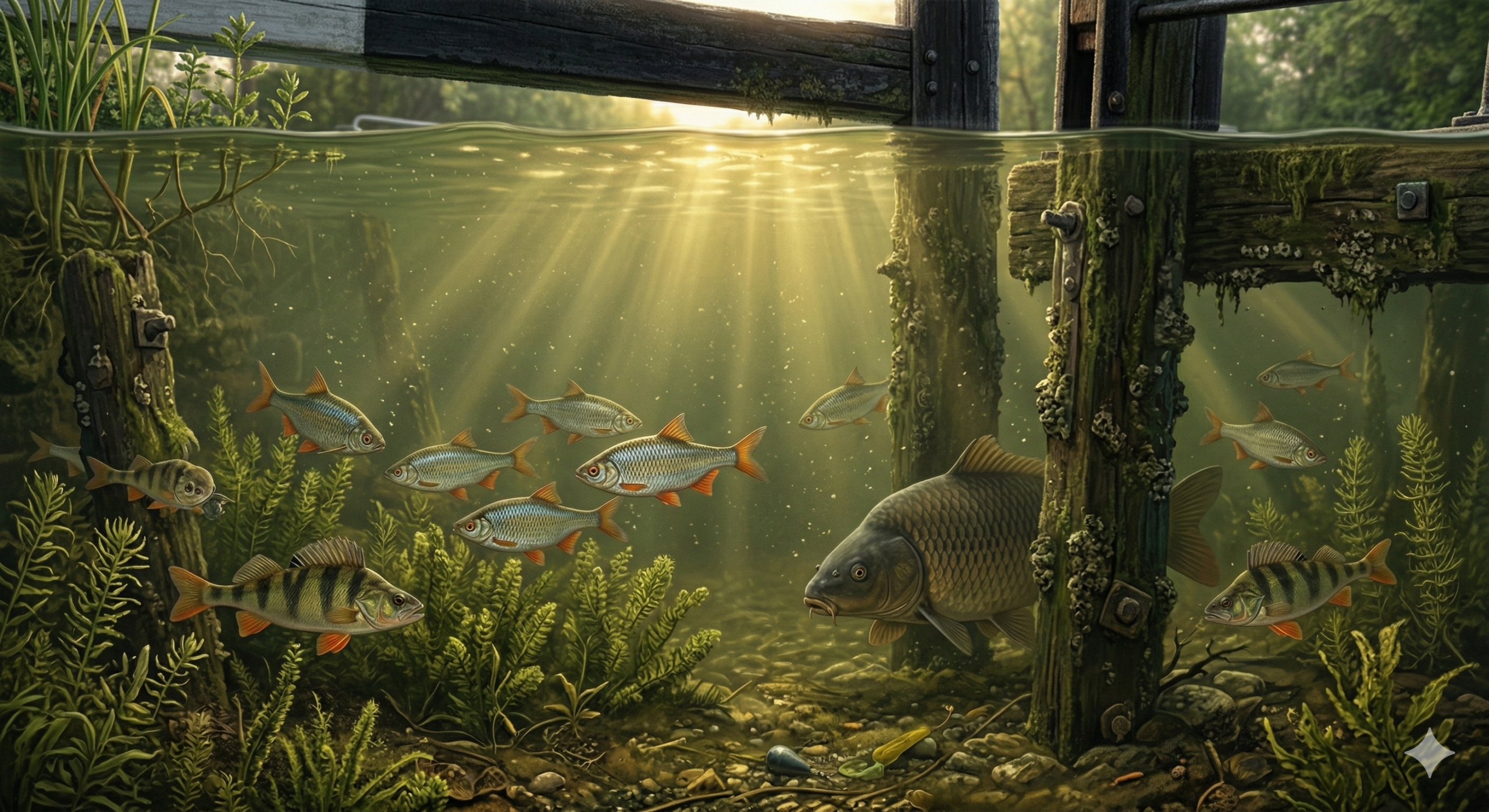
Species vary depending on the pond’s size, water quality, and connectivity to other waterways. Common urban pond species include:
1. Largemouth Bass
Thrive near vegetation, fallen branches, and pond edges.
Ambush predators that feed aggressively on smaller fish.
2. Bluegill and Sunfish
Extremely abundant in urban ponds.
Ideal for beginners and children.
3. Catfish
Bottom feeders that are active in the evening and at night.
Often found in larger retention ponds with muddy bottoms.
4. Carp
Common in ponds with muddy substrates.
Feed near the surface and edges, especially during low-light periods.
5. Crappie and Perch
Found near submerged vegetation or structures.
Schooling fish that can provide fast action during feeding periods.
How to Access Stormwater Ponds
1. Public Parks and Green Spaces
Many stormwater ponds are integrated into parks or walking trails.
Look for maintained access points and designated fishing areas.
2. Side Streets and Neighborhood Access
Some ponds are adjacent to public sidewalks or open spaces.
Always confirm local regulations before fishing on private property.
3. Observation and Scouting
Observe pond edges for fish activity, such as jumping bass or feeding birds.
Note areas with vegetation, logs, or shallow coves—they often hold fish.
4. Accessibility for Gear
Ponds with gentle slopes or maintained banks make it easier to set up rods.
Carry minimal gear for smaller, urban ponds where space is limited.
Best Gear for Urban Pond Fishing
Fishing in stormwater ponds doesn’t require elaborate equipment:
Rods & Reels
Spinning rod 6–7 ft: Versatile for bass, panfish, and catfish.
Light feeder rod: Optional for panfish and small species.
Line
Monofilament 6–12 lb for panfish and bass.
Braided 12–20 lb for larger bass or carp near submerged structure.
Hooks & Terminal Tackle
Size 8–12 for panfish, 2/0–4/0 for bass or catfish.
Bobbers or floats for shallow water presentation.
Slip sinkers or small weights for bottom rigs.
Bait & Lures
Live bait: worms, minnows, crickets.
Artificial lures: soft plastics, small crankbaits, jigs, or spinnerbaits.
Prepared baits: corn or PowerBait for stocked trout or carp.
Effective Fishing Techniques
1. Float Fishing
Ideal for bluegill, sunfish, and roach.
Cast near edges, weed beds, or fallen branches.
2. Bottom Fishing
Carp and catfish feed on the pond bottom.
Use small weights or feeders to present bait naturally.
3. Lure Fishing
Bass, perch, and pike (if present) respond well to jigs, crankbaits, and soft plastics.
Focus on structure such as submerged logs, aeration devices, or overhanging vegetation.
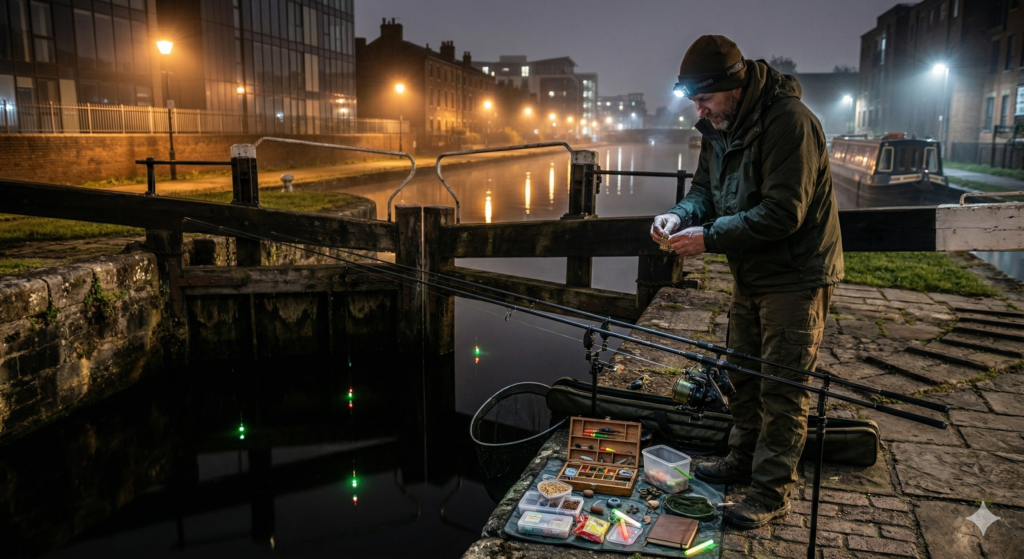
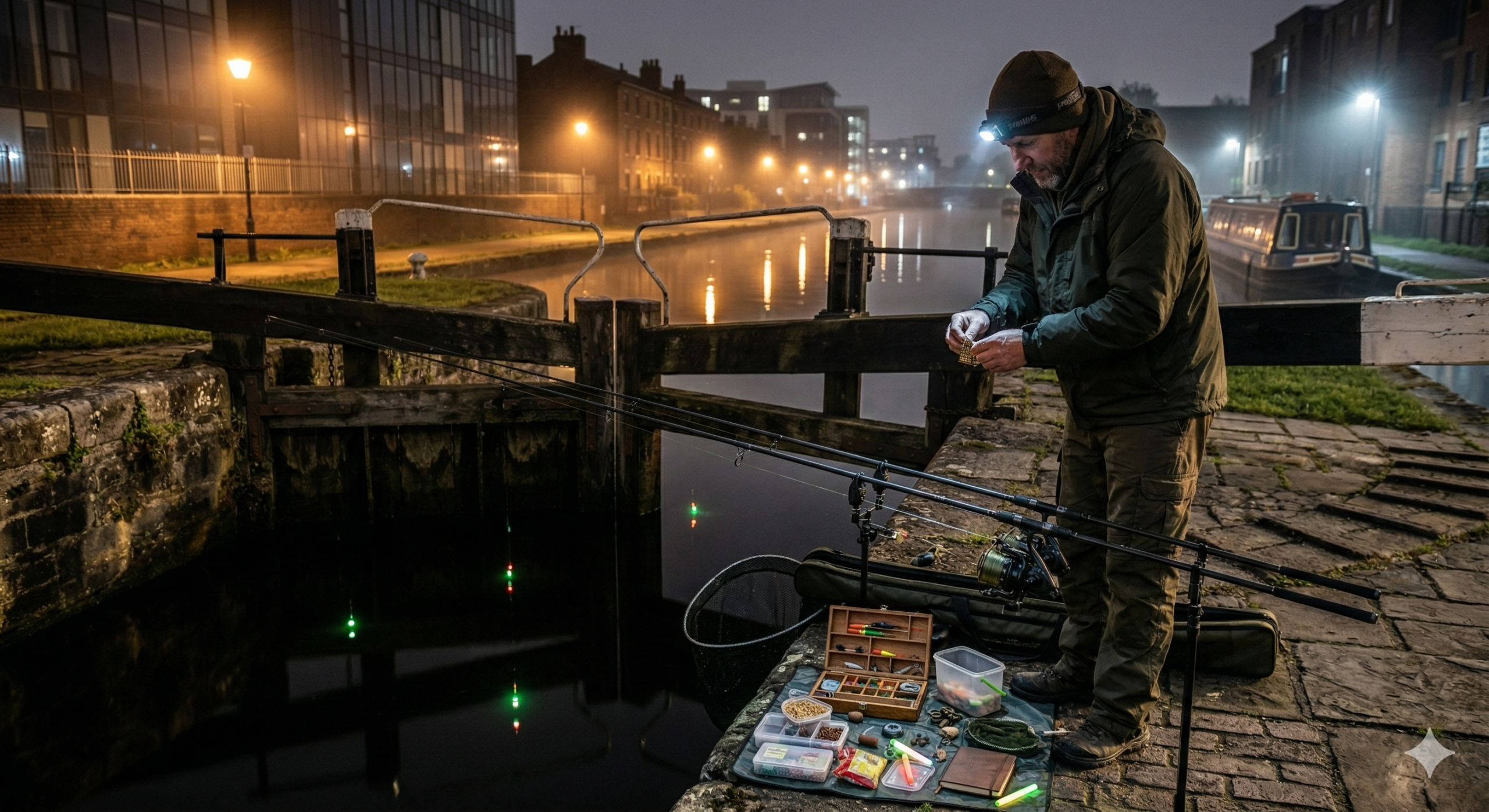
4. Night Fishing
Catfish and carp often feed more actively after sunset.
Glow bobbers or subtle bait alarms increase bite detection.
Seasonal Patterns in Urban Ponds
Spring
Fish are more active as water warms.
Bass move closer to shore; panfish spawn in shallow areas.
Summer
Fish seek shaded areas or deeper water to avoid heat.
Early morning and late evening are best for action.
Autumn
Predatory species feed aggressively to prepare for winter.
Larger baits and slower presentations are effective.
Winter
Fish slow down; target deeper holes or warmer microhabitats.
Bottom fishing becomes more productive.
Safety Tips for Stormwater Pond Fishing
Avoid steep or slippery banks.
Watch for runoff or water quality warnings.
Stay visible and cautious in low-light conditions.
Respect wildlife and vegetation around the pond.
Keep a small first aid kit for minor cuts or hooks.
Fishing Etiquette in Urban Ponds
Follow posted rules and permits.
Avoid overcrowding and respect other anglers.
Keep gear organized and pathways clear.
Pick up trash and leftover bait to protect water quality.
Challenges of Stormwater Pond Fishing
Water Quality – Ponds can have murky water or pollution.
Limited Space – Smaller urban ponds may restrict casting or boat use.
Fish Survival – Stocked or naturally occurring fish may face harsh environmental conditions.
Regulations – Some ponds restrict fishing or prohibit certain gear.
Why Stormwater Ponds Are Urban Angler Secrets
Often overlooked compared to lakes, rivers, or reservoirs.
Combine convenience, structure, and species diversity.
Perfect for beginners, families, and city dwellers with limited time.
Can provide productive fishing with minimal travel and gear.
Final Thoughts
Stormwater retention ponds are urban angling treasures, offering accessible, quiet, and productive fishing opportunities right in the heart of the city. Understanding fish species, seasonal behavior, and effective techniques is key to success.
Next time you pass a stormwater pond on your way to work or a park, consider casting a line—you might just discover one of the city’s secret fishing holes.
 1
1