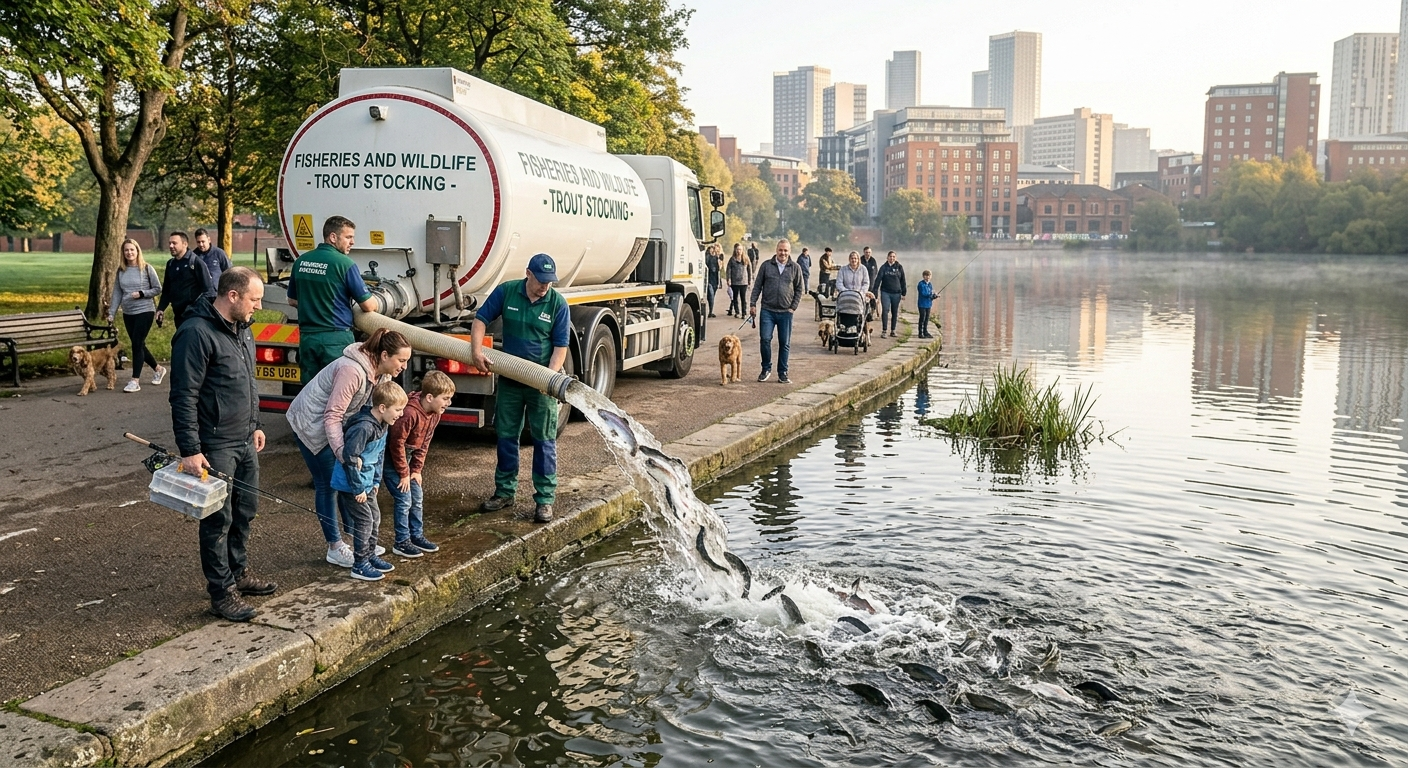
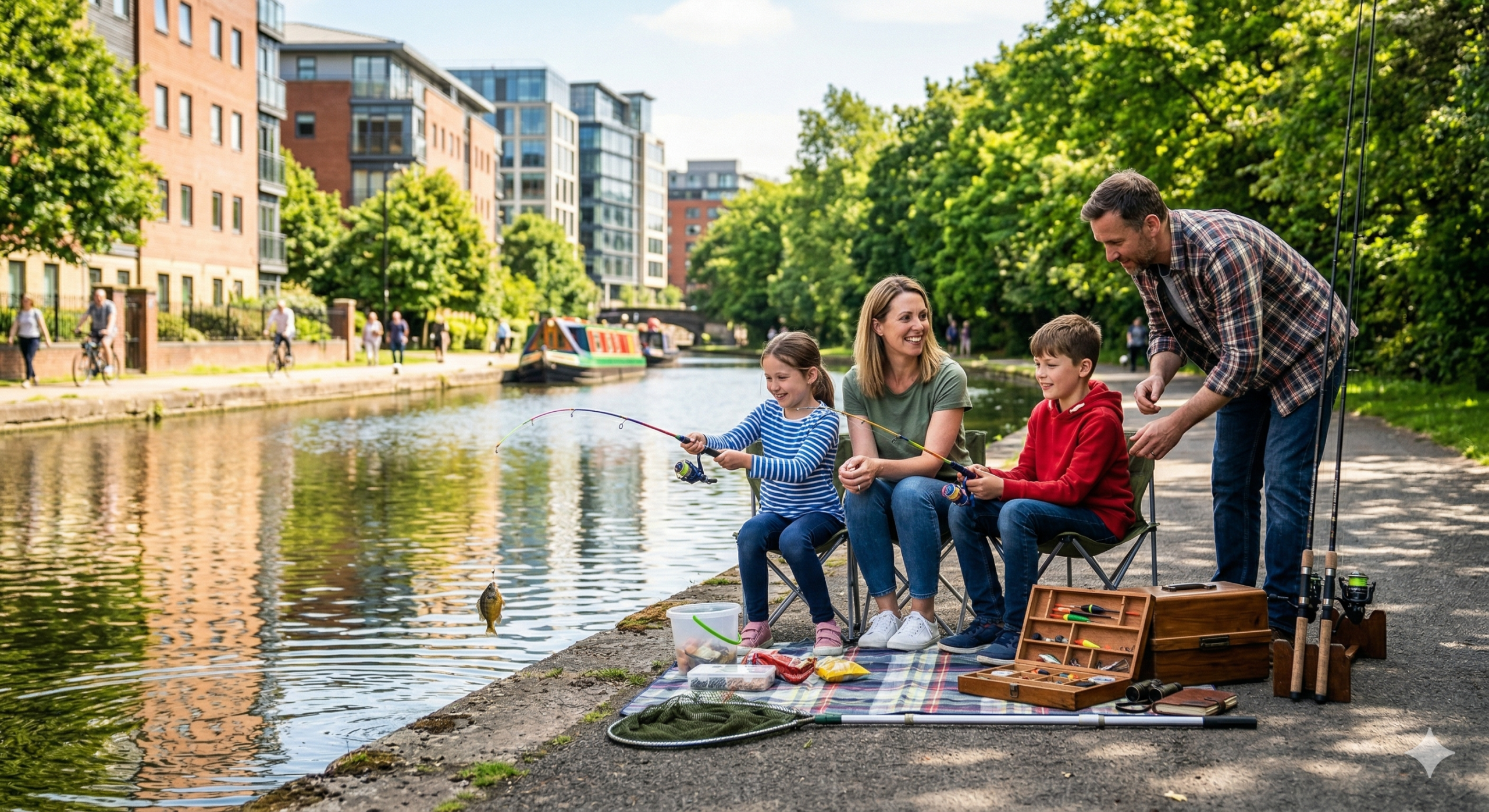
Canals are some of the most accessible and productive urban fishing locations, offering quiet waters, structured banks, and diverse fish populations. Whether you’re a beginner looking for easy access or an experienced angler seeking hidden hotspots, understanding the unique challenges of canal fishing is key.
This guide will cover how to fish canals effectively, including navigating locks, towpaths, and access rules while maximizing your catch.
Why Canal Fishing Is Popular
Canal fishing offers several advantages for urban and rural anglers alike:
Accessibility – Canals often run through cities, towns, and countryside, making them easy to reach.
Variety of Species – From carp and perch to roach and pike, canals support diverse fish communities.
Structured Habitat – Locks, bridges, towpaths, and canal edges create shelter for fish.
Peaceful Environment – Away from heavy boat traffic and noise, canals provide a relaxing fishing experience.
Year-Round Fishing – Canals are usually calm, sheltered waters, allowing for fishing in multiple seasons.
Understanding Canal Layouts
To fish canals successfully, it’s essential to understand their structure:
1. Locks
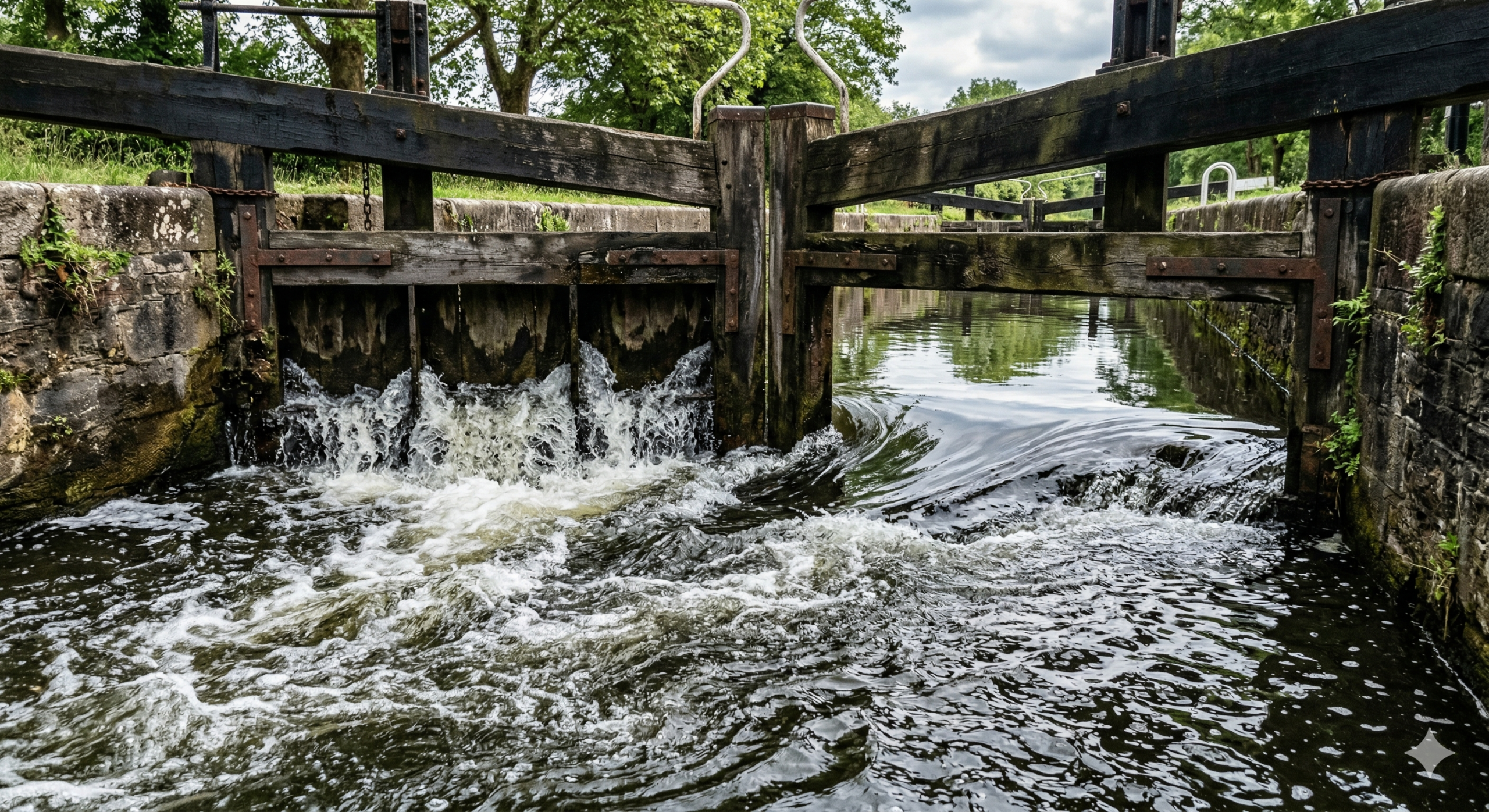
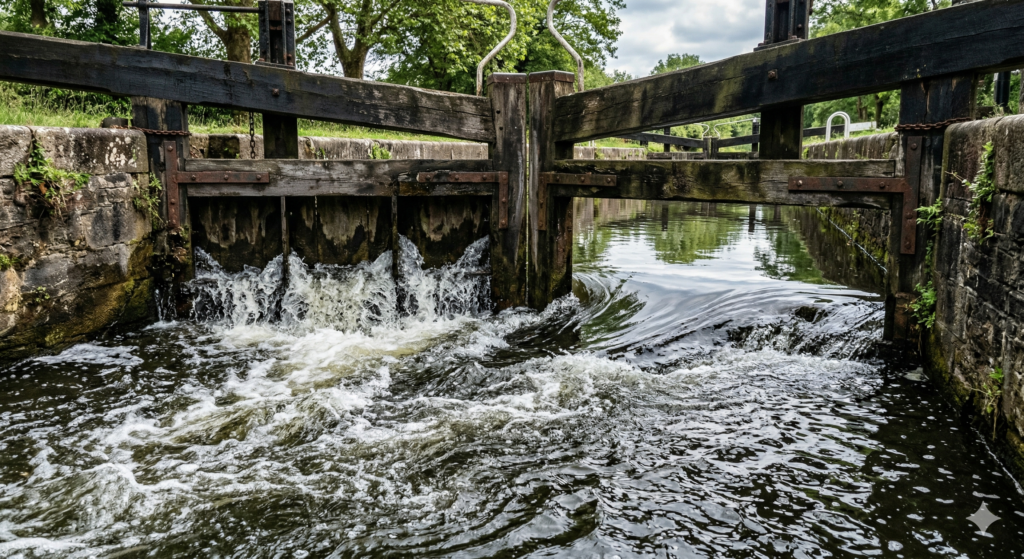
Locks are used to manage water levels. They influence fish behavior because:
Fish often congregate near lock gates where water flow attracts food.
Changing water levels can disturb sediment, triggering feeding activity.
Be cautious: avoid fishing directly in moving lock gates for safety.
2. Towpaths
Towpaths are pedestrian and sometimes cycling paths along canals:
Provide easy access to fishing spots.
Make it easier to carry gear and set up multiple rods.
Be mindful of pedestrians, cyclists, and horses in rural areas.
3. Bridges and Culverts
Bridges create shade and structure for fish.
Culverts may concentrate baitfish, attracting predators.
4. Canal Edges and Banks
Sloped or reinforced banks are prime areas for bottom-feeding fish like carp.
Look for overhanging vegetation or submerged debris for cover.
Common Fish Species in Canals
Canals host a wide variety of fish, depending on region and water quality:
1. Carp
Often the largest and most sought-after canal fish.
Feed along muddy bottoms, especially near towpaths and locks.
2. Roach and Rudd
Small schooling fish ideal for match fishing.
Often found near shallow edges and vegetation.
3. Perch
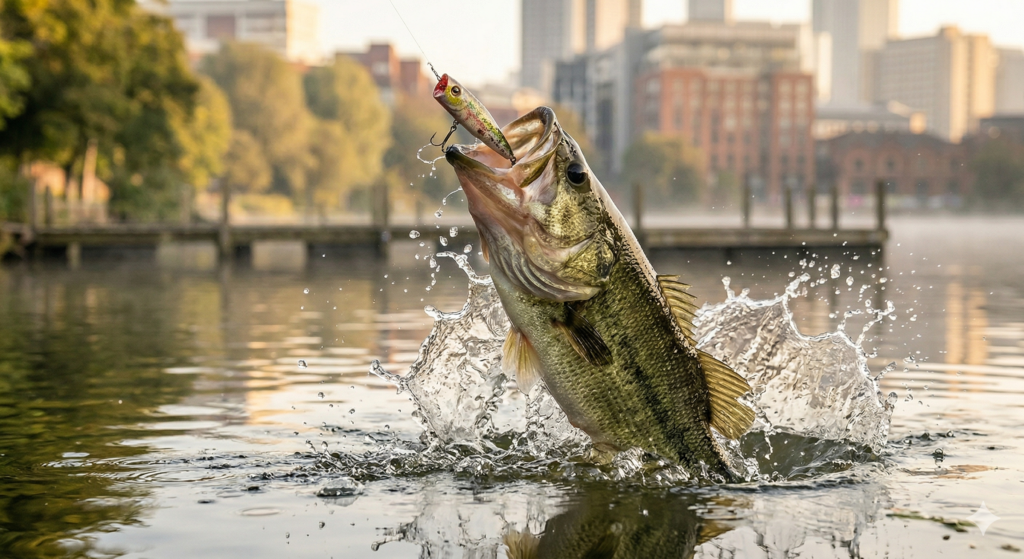
Aggressive predators that thrive in canals with ample cover.
Target them near submerged structures or bridges.
4. Pike
Ambush predators often hiding near locks, culverts, or overhanging banks.
Can provide exciting sport for lure anglers.
5. Catfish
Present in larger or stocked canals.
Most active at night or in low-light conditions.
6. Tench and Bream
Slow-moving bottom feeders found in muddy canal sections.
Essential Gear for Canal Fishing
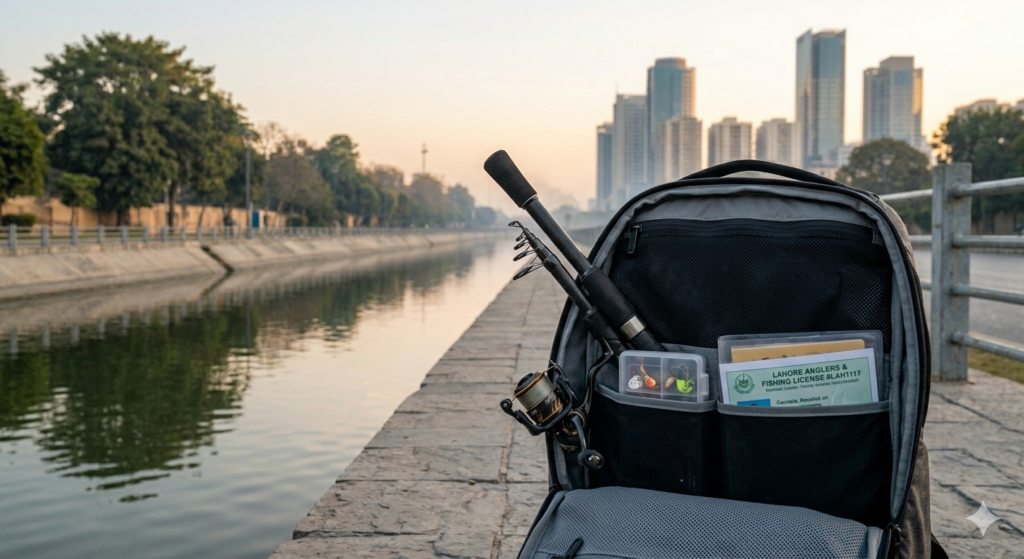
Rod & Reel
Match rods or feeder rods: 10–12 ft for precision and long-distance casts.
Spinning rods: Ideal for pike or perch.
Line
Monofilament 6–12 lb for general use.
Braided lines for larger carp or pike near heavy structure.
Hooks & Terminal Tackle
Sizes 8–14 for panfish, 2/0–4/0 for larger species.
Float rigs for shallow water, feeder rigs for bottom fishing.
Weights/sinkers adapted to currents near locks.
Bait
Worms, maggots, and sweetcorn for roach, rudd, and bream.
Boilies or pellets for carp.
Live bait or lures for pike and perch.
Techniques for Canal Fishing
1. Float Fishing
Ideal for roach, rudd, and perch.
Cast near edges or structure and adjust float depth based on fish activity.
2. Bottom Fishing / Feeder Fishing
Perfect for carp, tench, and bream.
Use a feeder rig with groundbait to attract fish.
3. Lure Fishing
Target predatory species like perch and pike.
Use soft plastics, spoons, or small crankbaits near submerged structures.
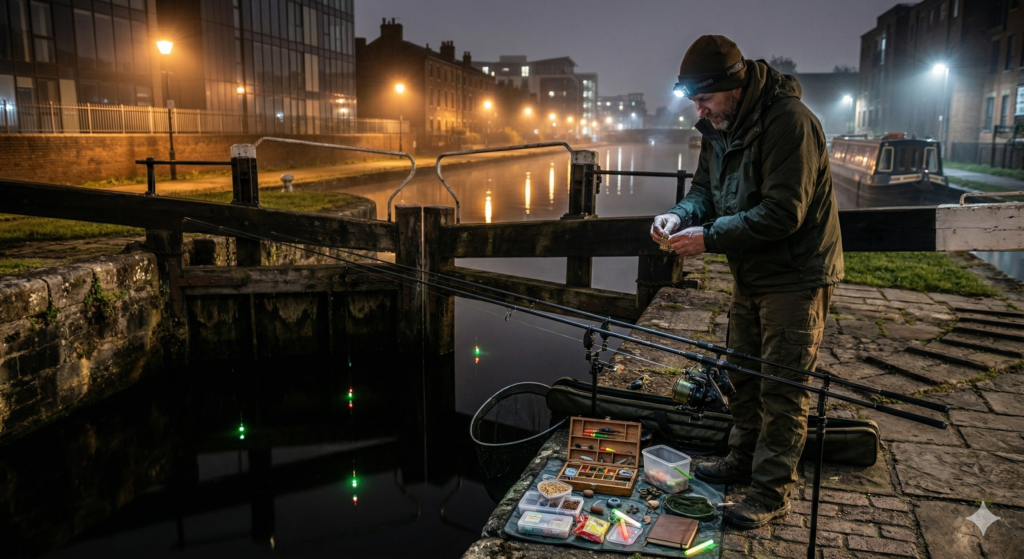
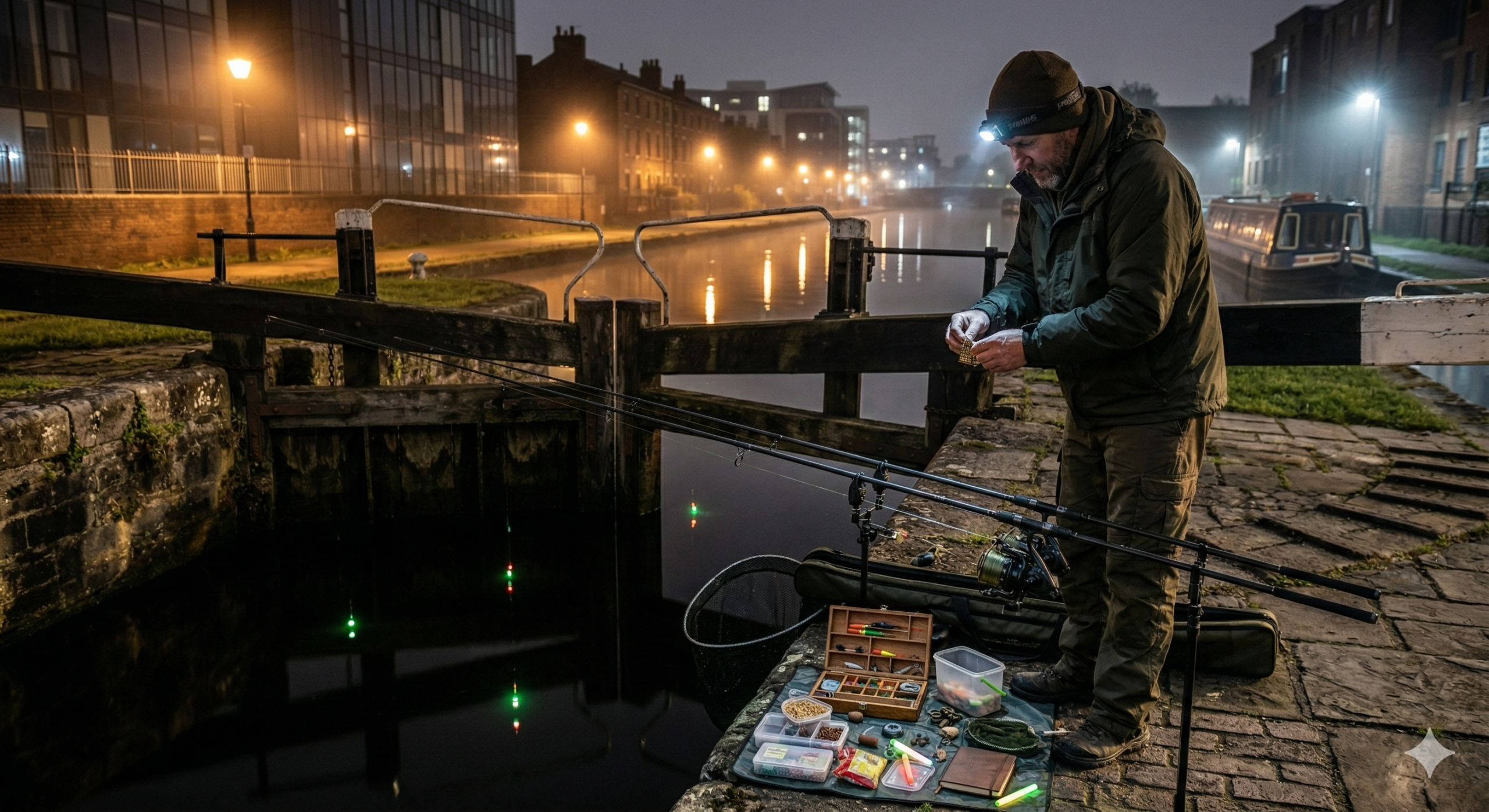
4. Night Fishing
Catfish and carp often feed at night.
Use glow bobbers or bait alarms for best results.
Navigating Locks Safely
Always check local regulations before fishing near locks.
Avoid standing on gates or moving parts.
Fish upstream or downstream of locks where water flow attracts prey.
Be cautious of sudden water level changes.
Understanding Towpath Etiquette
Yield to walkers, cyclists, and horse riders.
Keep your fishing gear organized to avoid obstruction.
Clean up after yourself—leave no bait, tackle, or trash behind.
Respect private property along the canal.
Seasonal Tips for Canal Fishing
Spring
Fish move closer to shallow edges as waters warm.
Float fishing and small baits are effective.
Summer
Fish in shaded areas during hot days.
Early morning or late evening is best.
Autumn
Predatory fish like pike and perch become more active.
Larger baits and feeder rigs can be productive.
Winter
Fish deeper sections and slow down your presentation.
Focus on sheltered spots near locks or bridge pilings.
Urban Canal Fishing Challenges
Crowded towpaths – May limit casting space.
Pollution – Avoid heavily polluted sections for safety.
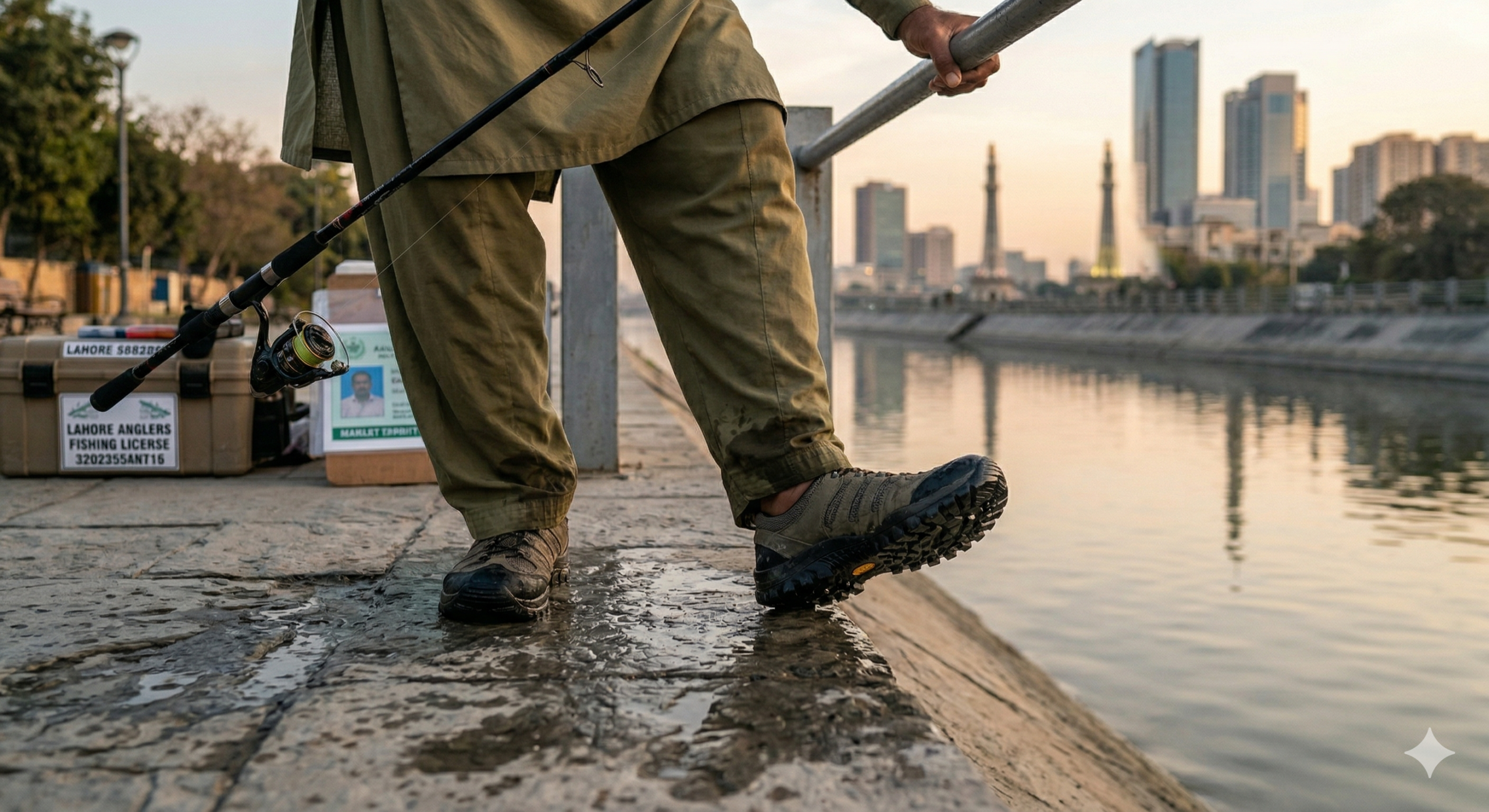
Regulations – Some canals require permits or have seasonal closures.
Currents near locks – Can affect bait presentation.
Safety Tips for Canal Fishing
Wear a life vest near deep water or locks.
Be cautious of slippery banks, algae, or mud.
Keep first aid supplies handy.
Avoid fishing alone at night if unfamiliar with the area.
Always check water levels and flow before setting up.
Why Canal Fishing Is Underrated
Urban and rural canals are often overlooked by anglers seeking lakes or rivers.
They offer year-round fishing, diverse species, and easy access.
Even small canals can produce impressive catches for beginners and veterans alike.
Final Thoughts
Canal fishing is a versatile and rewarding form of angling, whether you’re fishing in urban green spaces or quieter rural stretches. By understanding locks, towpaths, and access rules, you can fish safely, efficiently, and successfully.
The key to successful canal fishing lies in observation, preparation, and respect for the environment. With proper gear, tactics, and knowledge of local regulations, canals can provide some of the most accessible and productive fishing spots—right in your backyard.
 1
1