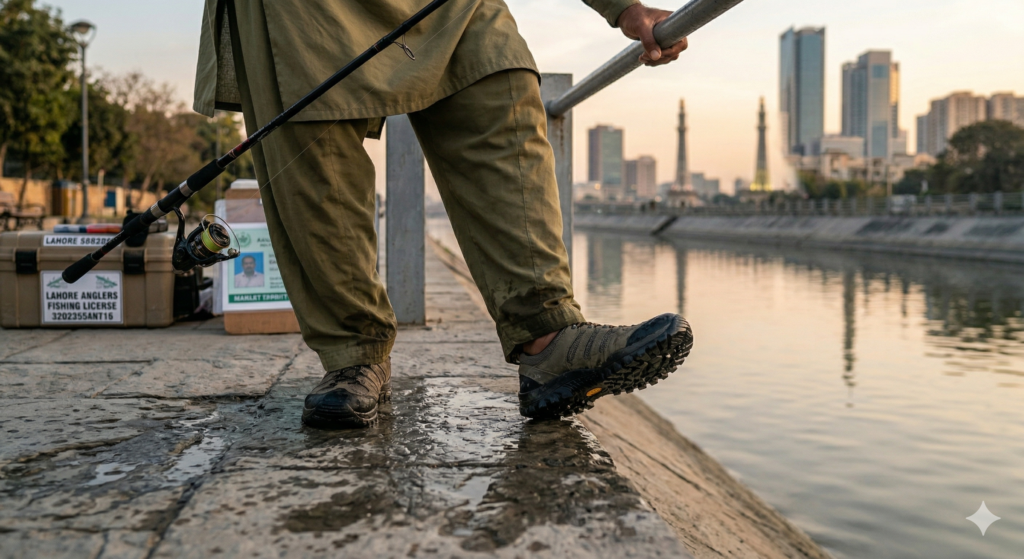
 11
11
Urban fishing offers convenience and excitement—but it also comes with responsibility. One of the most important practices every city angler should understand is catch-and-release fishing. Done correctly, it helps preserve fish populations while allowing others to enjoy the same experience.
This comprehensive guide covers the rules, ethics, and best practices of catch-and-release in urban environments, so you can fish responsibly and sustainably.

Catch-and-release is a fishing practice where you catch fish and then return them to the water instead of keeping them.
In busy urban waters—where fishing pressure is high—this method is crucial for:
Urban waterways often face challenges like:
Because of this, fish populations can decline quickly if not managed carefully.
Catch-and-release helps:
In many areas of Pakistan, authorities encourage or enforce catch-and-release in specific urban waters.
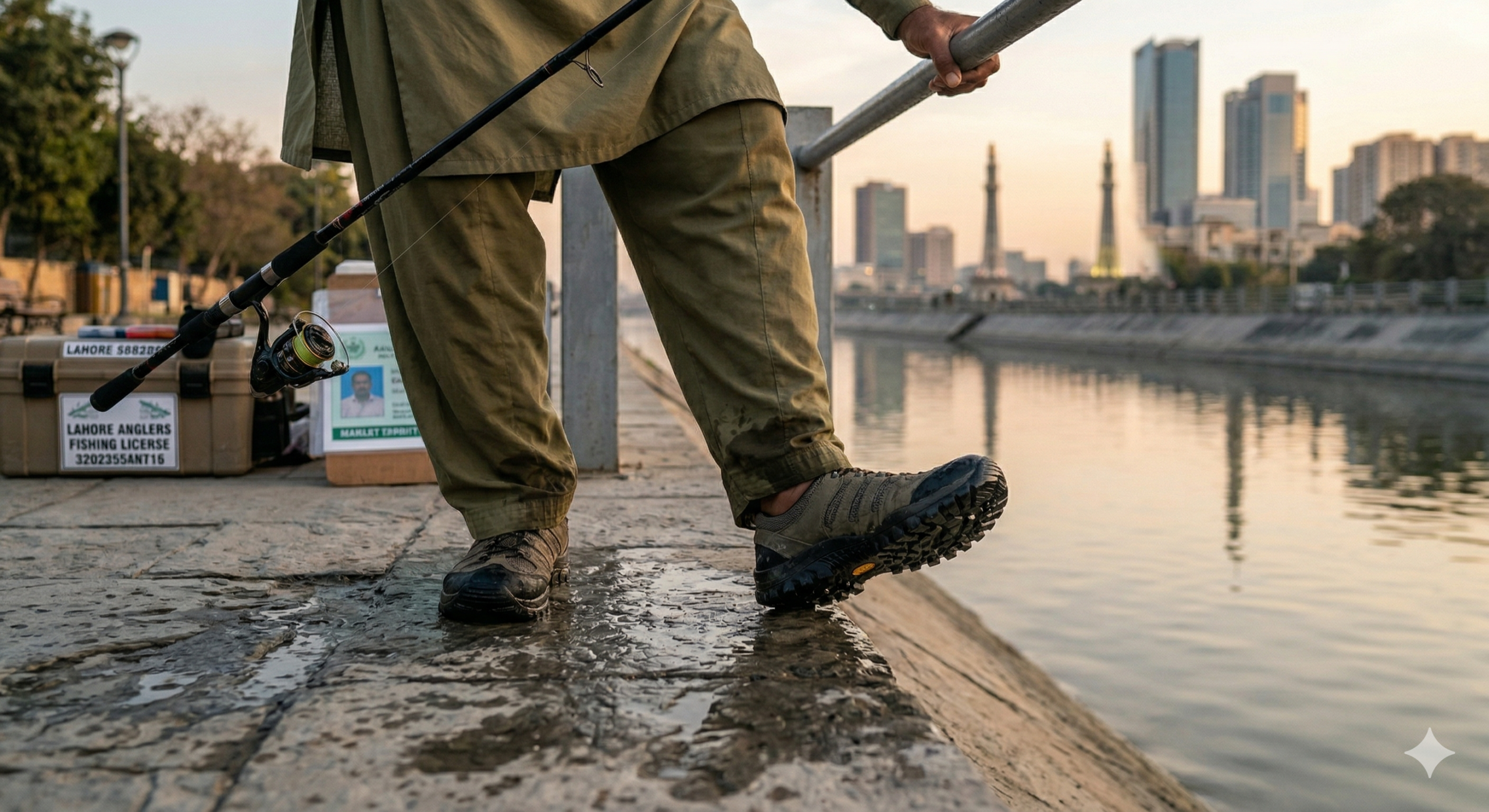
Before practicing catch-and-release, it’s essential to follow local regulations.
These rules are often set by organizations like the Department of Fisheries and may include:
Some urban waters require all fish to be released.
You may only keep fish within a certain size range—others must be released.
Certain species must be released during breeding seasons.
Some areas require:
Always check local laws before fishing to avoid penalties.
Beyond rules, ethical fishing is about minimizing harm to fish.
Ethical anglers aim to ensure the fish survives after release—not just swims away.
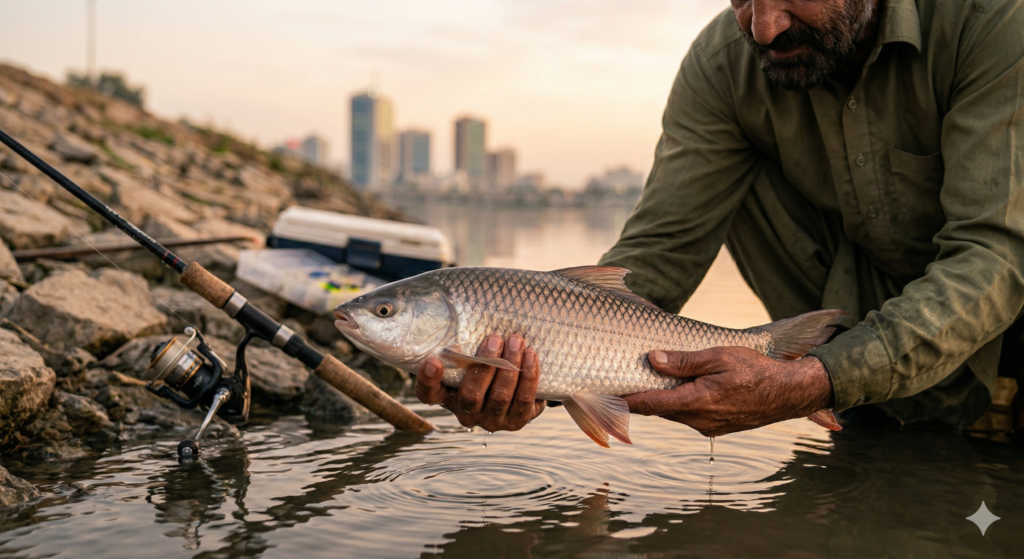
To improve fish survival rates, follow these proven techniques:
Choose equipment that allows quick and safe handling:
Long fights exhaust fish and reduce survival chances.
Fish have a protective slime layer—rough handling can damage it.
Try to:
The longer a fish is out of water, the lower its survival rate.
Carry:
If the hook is deeply embedded, it’s often better to cut the line rather than force removal.
Before letting the fish go:
This helps restore oxygen flow and strength.
Urban waters can heat up quickly.
Avoid catch-and-release when:
These conditions increase mortality rates after release.
Even well-meaning anglers can harm fish unintentionally.
Avoid:
Small changes in behavior can make a big difference.
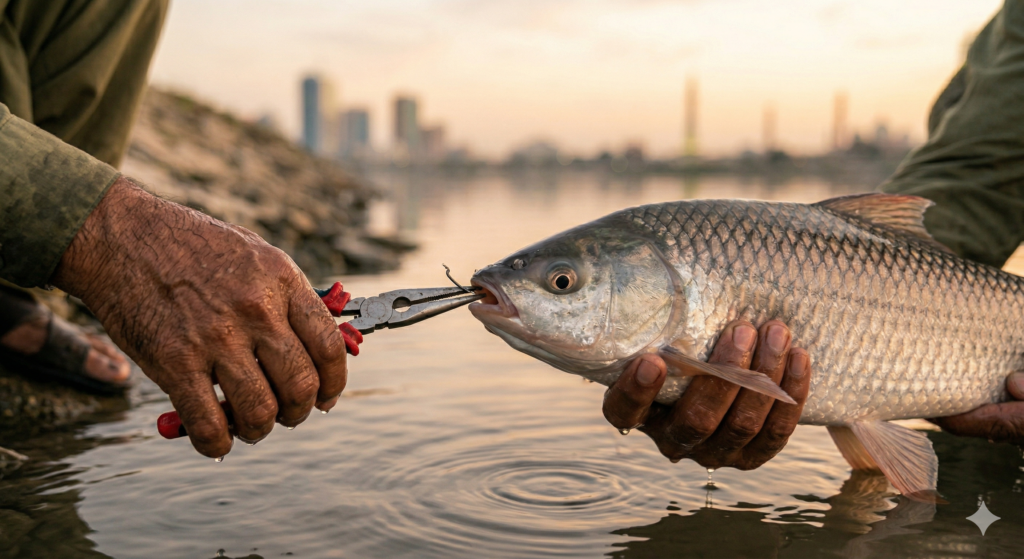
City fishing presents unique challenges:
Concrete banks and bridges can injure fish—be extra careful when landing them.
Fish may already be stressed due to water quality—handle gently and release quickly.
Be mindful of:
Practicing good etiquette improves the experience for everyone.
In some cases, releasing fish may not be the best option:
Always follow local guidelines.
By following best practices, you help:
Responsible anglers play a key role in keeping city fishing alive.
Catch-and-release is more than just letting fish go—it’s about doing it the right way. In urban environments, where fishing pressure is high, your actions directly impact the health of local fisheries.
By understanding the rules, respecting the ethics, and applying proper techniques, you can enjoy urban fishing while ensuring it remains sustainable for years to come.