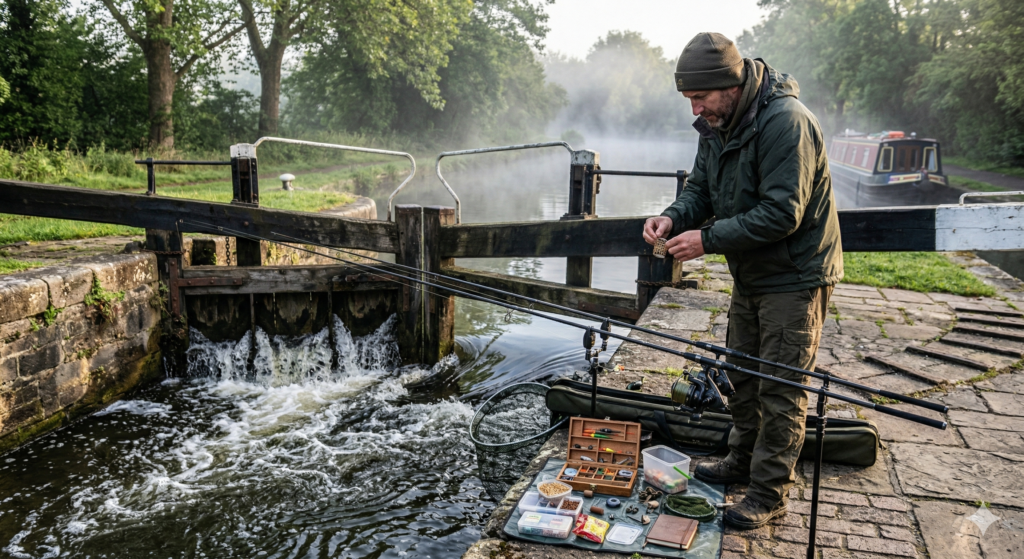
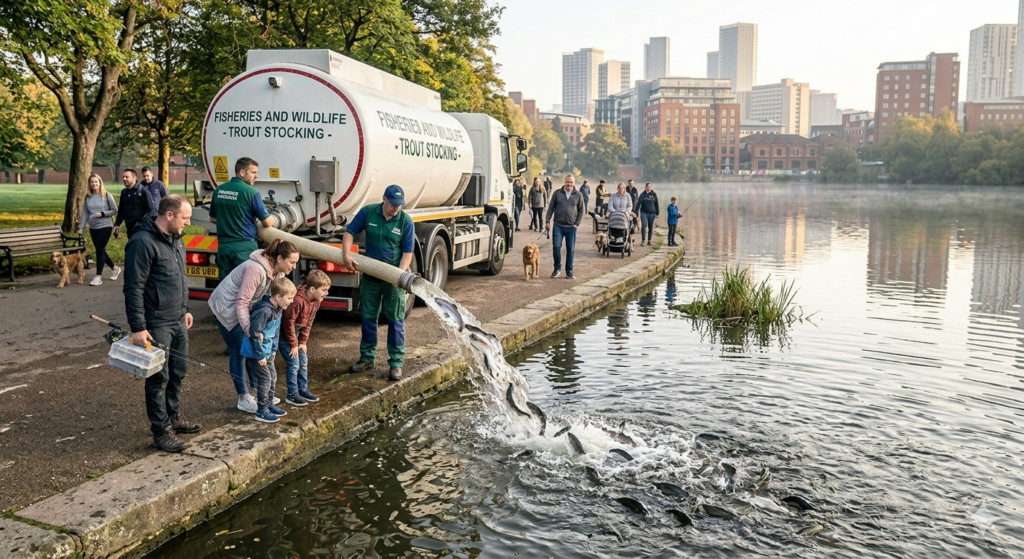
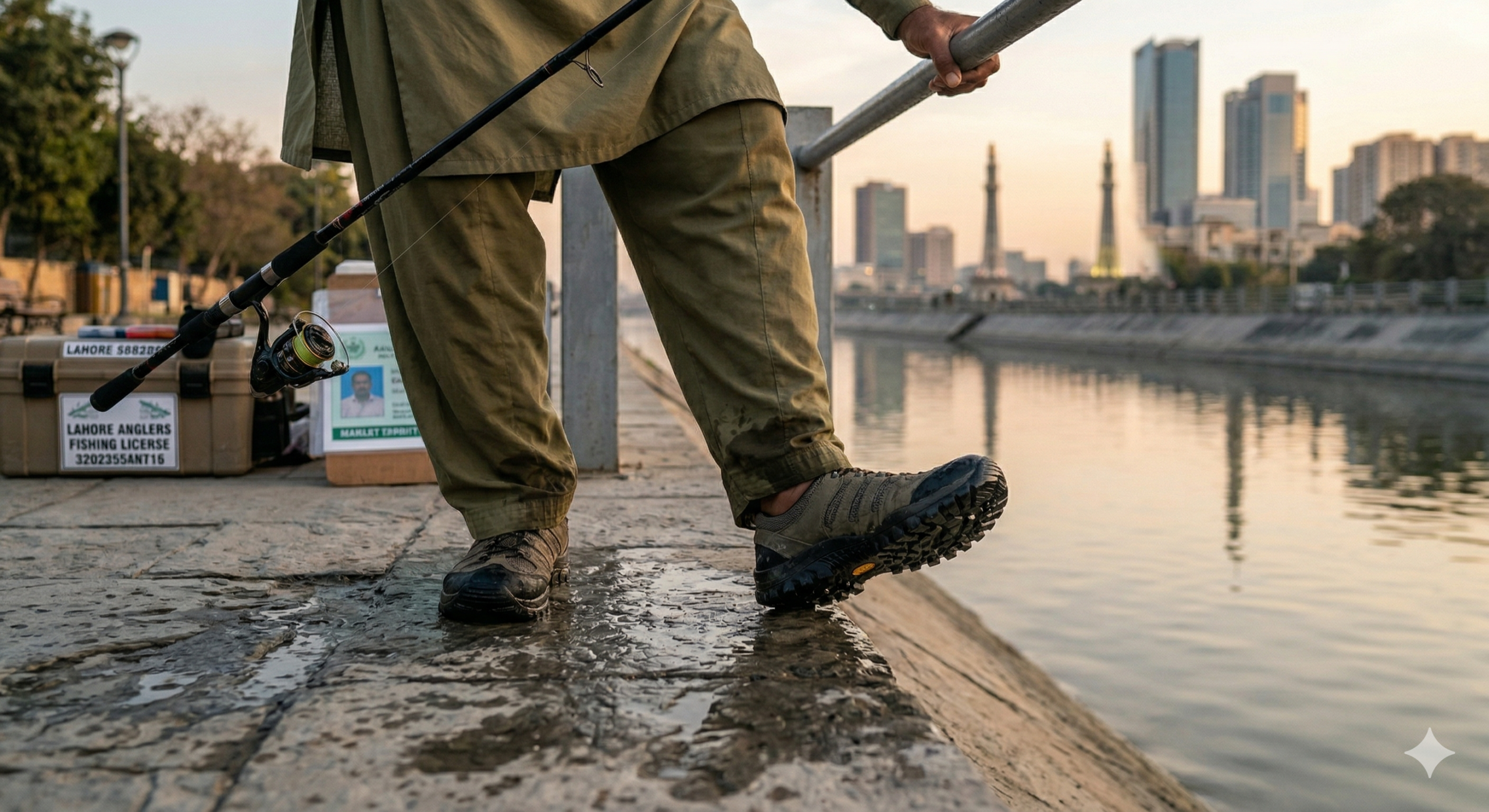
Fishing in urban rivers, lakes, and canals can be convenient and fun, but it comes with important health considerations. Urban waters may contain pollutants from industrial runoff, sewage, and stormwater, which can accumulate in fish tissue. Before consuming your catch, it’s essential to understand the risks, regulations, and best practices for safe eating.
This guide will explore urban fish safety, covering pollution types, fish advisories, preparation tips, and strategies to minimize risk.
Understanding Pollution in Urban Waters
Urban waterways are exposed to a variety of pollutants that can affect fish safety:
1. Heavy Metals
Mercury and lead can accumulate in fish tissue over time.
Predatory species such as bass and catfish often have higher mercury levels.
2. Industrial Chemicals
PCBs (polychlorinated biphenyls) and dioxins may be present near industrial areas.
Persistent in the environment and accumulate in fatty tissues of fish.
3. Agricultural Runoff
Fertilizers and pesticides can wash into city streams and ponds.
Can cause algal blooms that indirectly affect fish health.
4. Sewage and Stormwater
Urban runoff carries bacteria, nutrients, and chemicals into rivers and lakes.
May increase risk of bacterial contamination, especially in small ponds.
Fish Advisories and Guidelines
Health authorities often issue consumption advisories to protect the public:
State and local agencies maintain lists of safe consumption limits for urban waterways.
Advisories may specify species, size, and frequency limits.
Sensitive groups, such as pregnant women, children, and older adults, should follow advisories carefully.
Many states provide online maps and guides for urban water bodies with pollution warnings.
Examples of Advisory Recommendations:
Eat small fish more often; avoid large predatory species frequently.
Remove skin, fat, and internal organs where chemicals concentrate.
Cook fish thoroughly to reduce bacterial contamination.
Fish Species and Contamination Risk
Not all urban fish pose the same risk:
Low-Risk Species
Bluegill, sunfish, and smaller panfish: lower mercury and PCB accumulation.
Small carp may also be relatively safe if caught in less industrialized areas.
Higher-Risk Species
Largemouth bass, catfish, and pike: higher mercury and fat-soluble pollutant concentrations.
Avoid frequent consumption of large individuals from industrial waterways.
Tips for Safe Consumption
1. Follow Local Advisories
Check government or local environmental websites for updated guidance.
Pay attention to species, size, and seasonal advisories.
2. Choose Smaller Fish
Pollutant levels increase with age and size.
Opt for young, smaller specimens for safer meals.
3. Clean and Prepare Properly
Remove skin, fat, and organs where contaminants accumulate.
Rinse fillets in clean water before cooking.
4. Cooking Techniques
Baking, broiling, or grilling helps reduce fat content and some chemicals.
Avoid deep-frying in oil, which may retain fat-soluble contaminants.
5. Limit Consumption
For fish from moderately polluted waters, limit intake to 1–2 meals per week.
Rotate species and sources to minimize exposure.
Special Considerations for Urban Anglers
Children and pregnant women should be particularly cautious.
Urban ponds with heavy boating or stormwater inflow may have higher contamination.
Recreational anglers may still enjoy catch-and-release to reduce exposure risk.
Avoid eating fish from visibly polluted or stagnant waters.
Monitoring and Reporting
Local environmental agencies often monitor water quality and fish tissue.
Report any unusual fish behavior, disease, or pollution incidents.
Staying informed helps protect both your health and the ecosystem.
Benefits of Urban Fishing Despite Risks
Fishing in urban areas offers recreation, exercise, and mental health benefits.
Not all fish need to be eaten—catch-and-release supports sport fishing without health risk.
Knowledge and preparation allow anglers to enjoy urban waters safely.
Bottom Line
Urban fish can be safe to eat if you follow guidelines, choose species carefully, and properly clean and cook your catch. Understanding pollution, species risk, and advisories is crucial.
Check local advisories before consuming any urban-caught fish.
Select smaller, less predatory fish.
Prepare and cook fish correctly.
Limit intake from higher-risk waters.
Fishing in urban areas can be enjoyable, but safety comes first. By taking precautions and staying informed, you can enjoy the experience without compromising your health.
 1
1