 11
11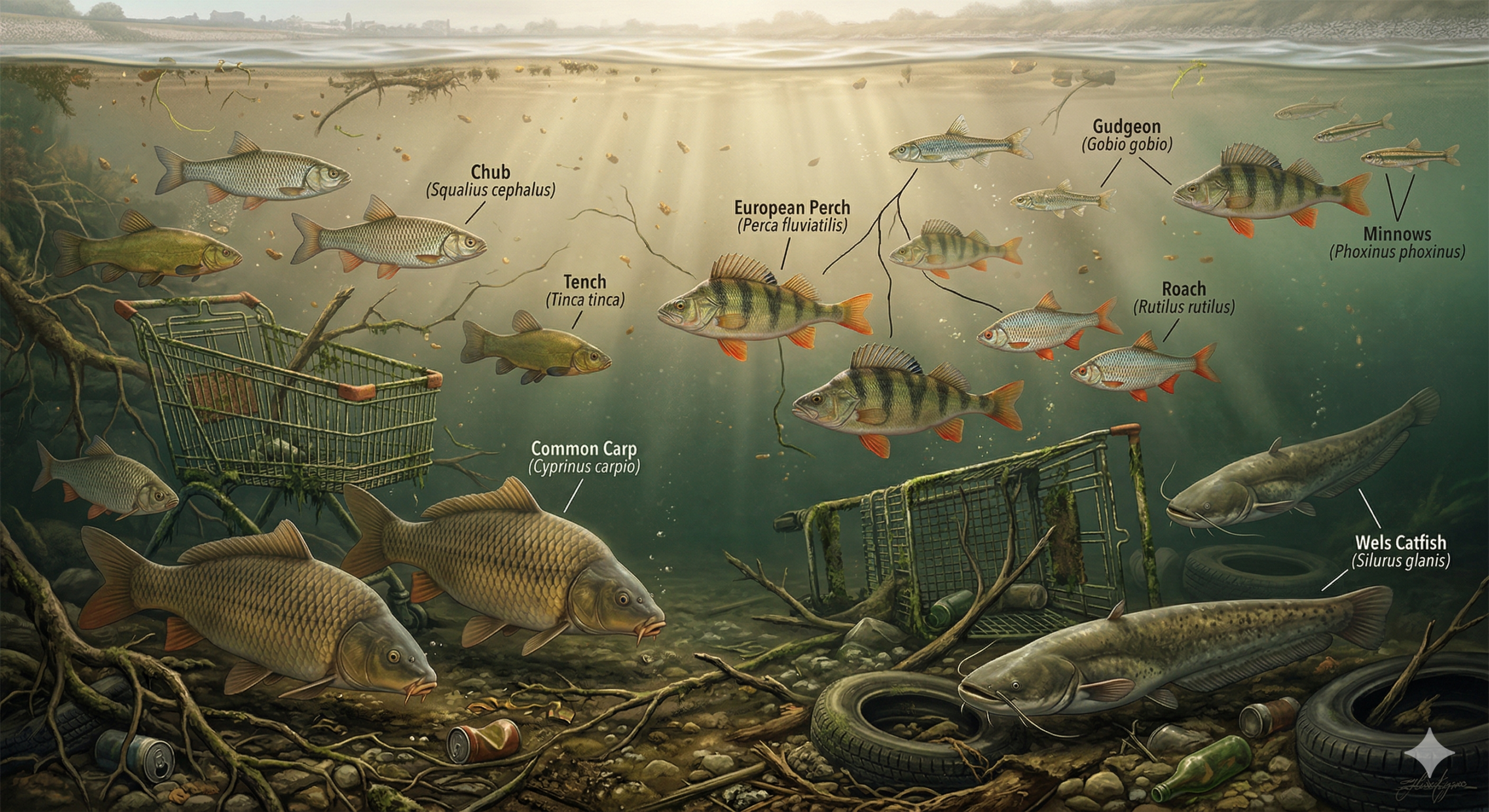
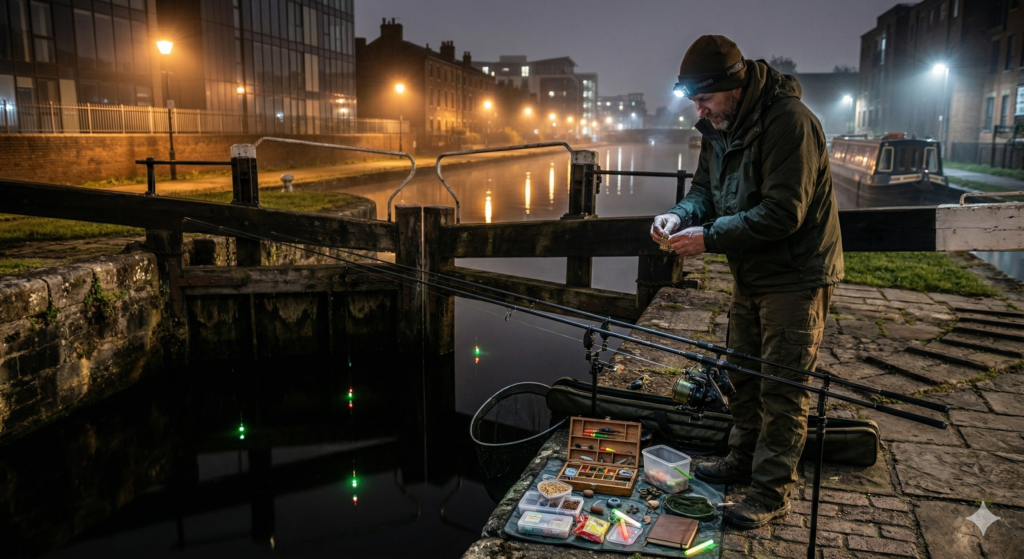
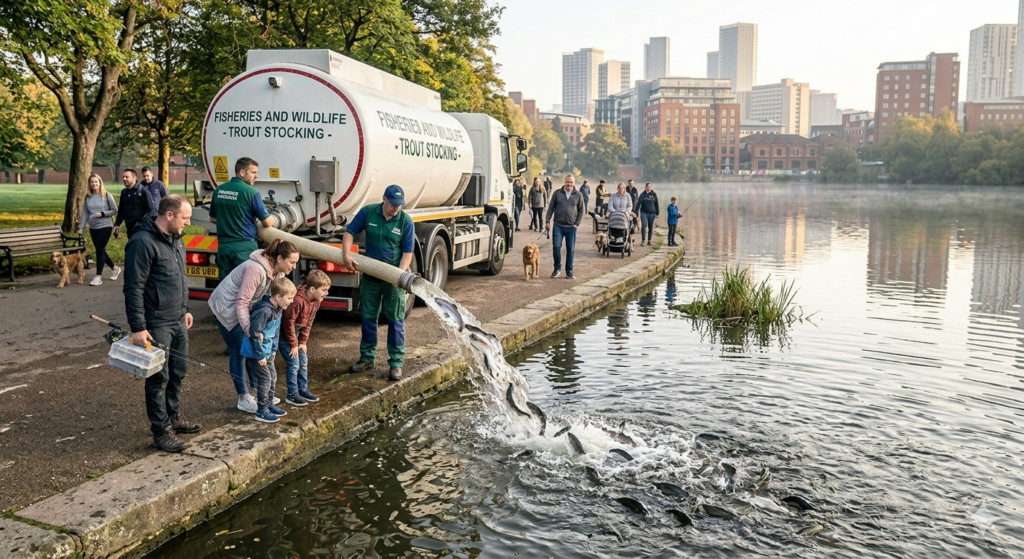
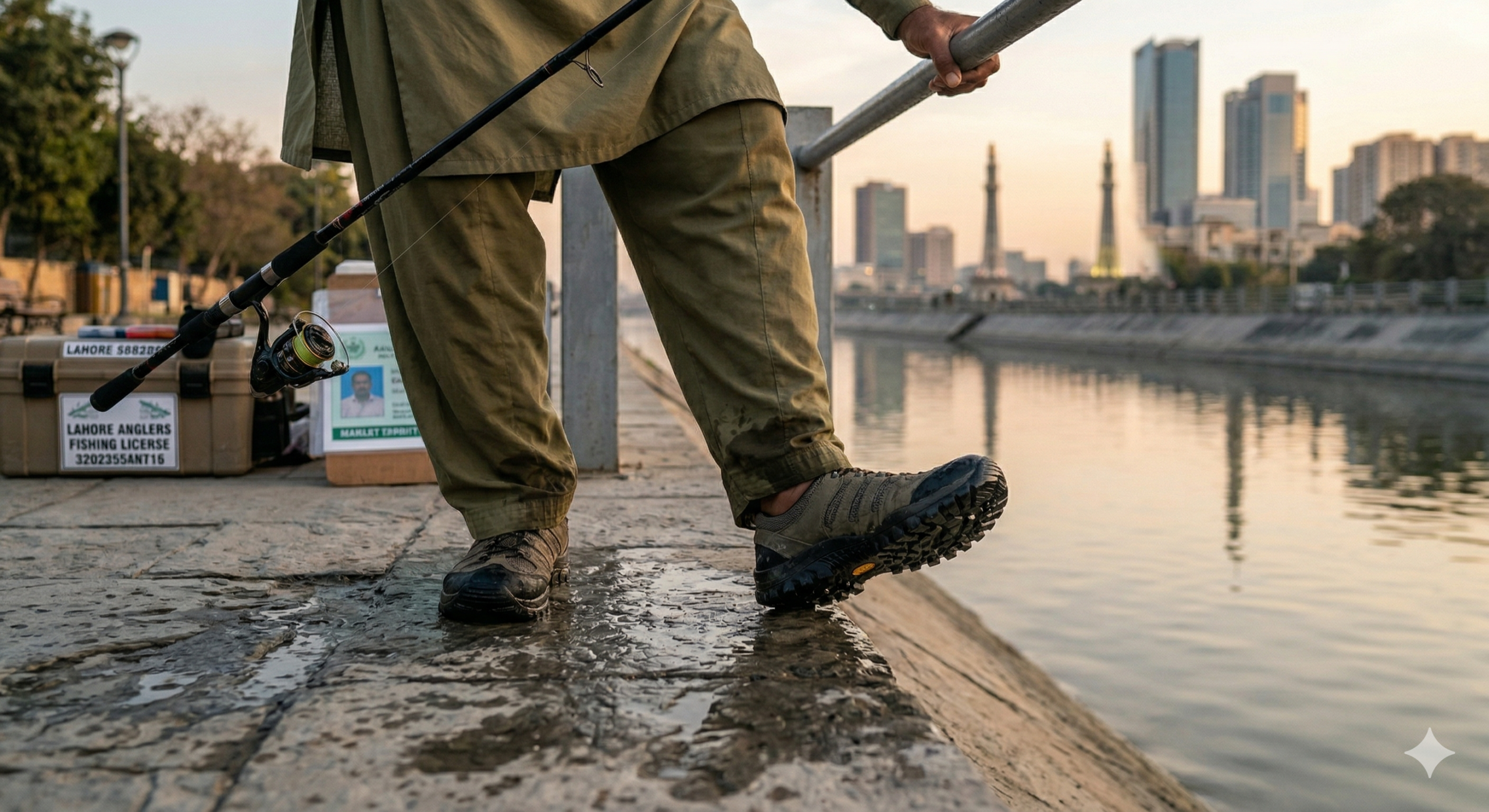
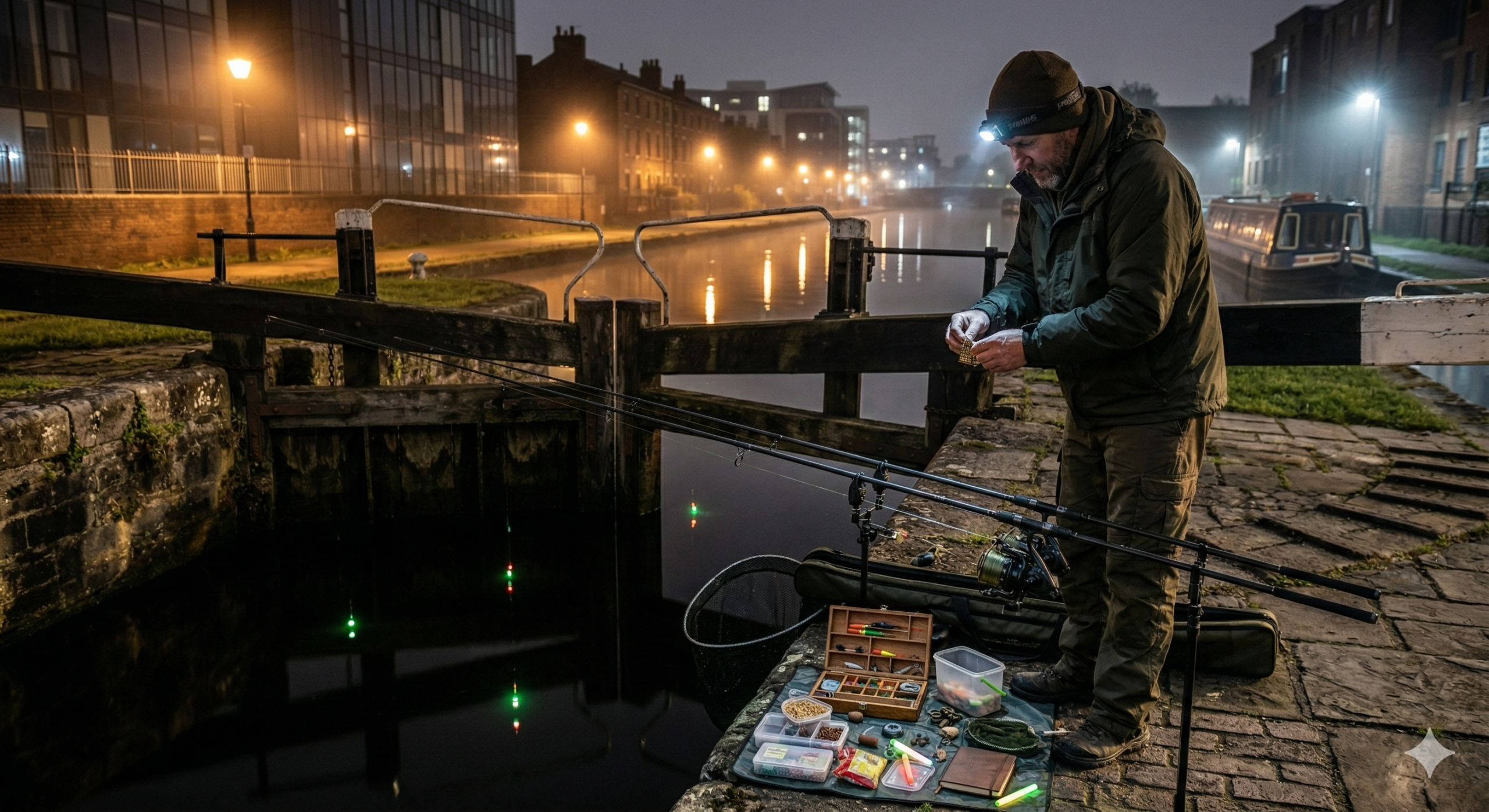
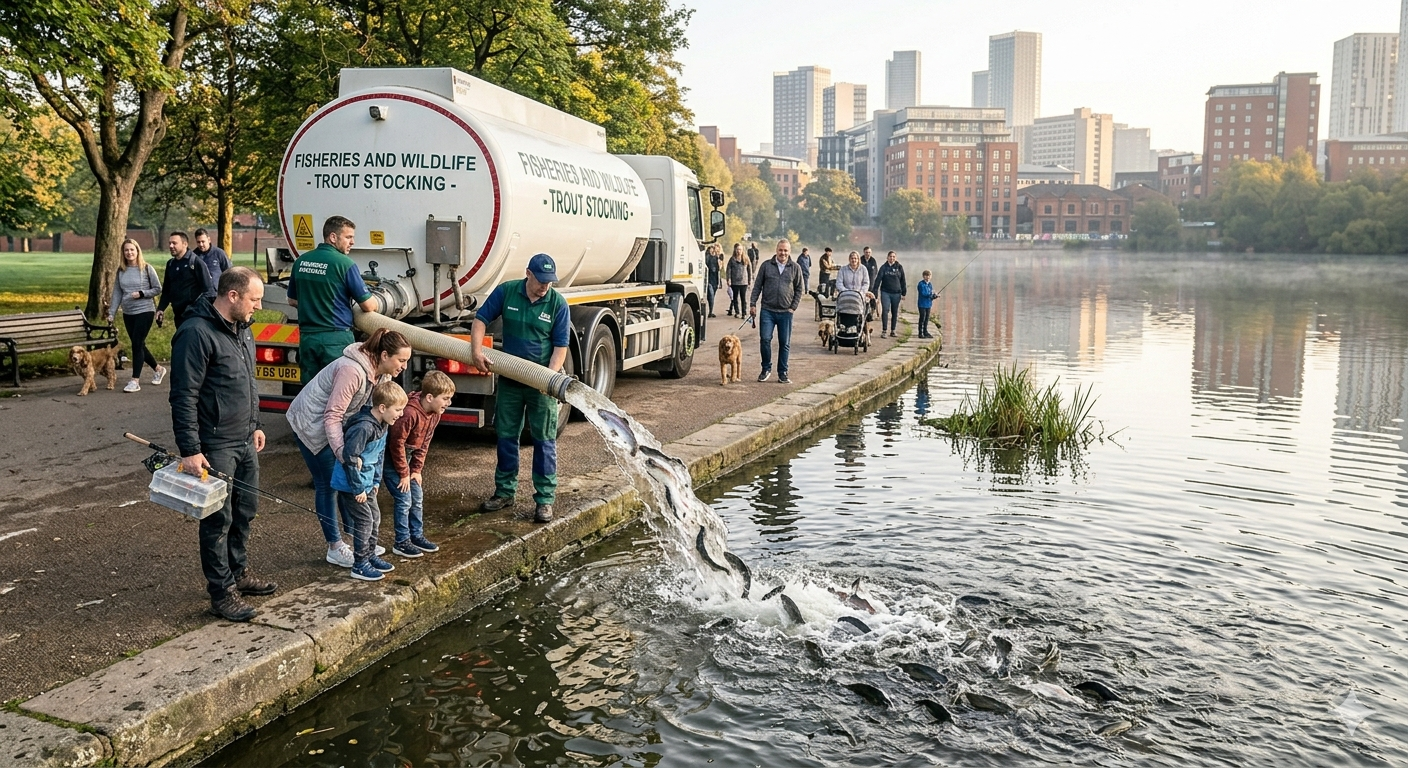
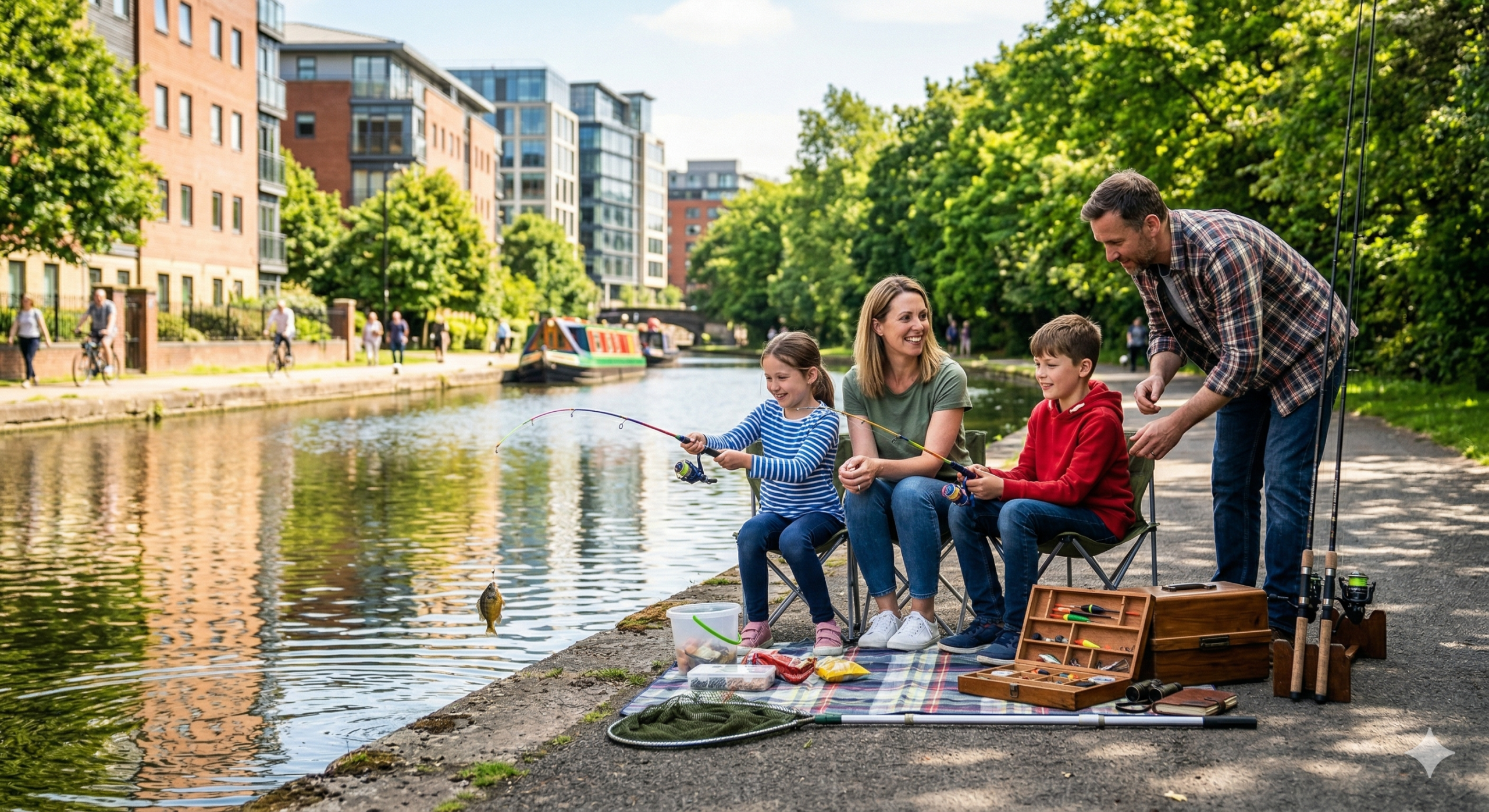
Urban fishing has become a popular pastime for anglers seeking a quick escape from the hustle and bustle of city life. City rivers and canals, despite their industrial surroundings, often support a surprising variety of fish species. Understanding which fish inhabit these urban waterways is key for both recreational anglers and conservation enthusiasts. In this guide, we’ll explore the most common fish found in city rivers and canals, their habits, and tips for urban fishing.
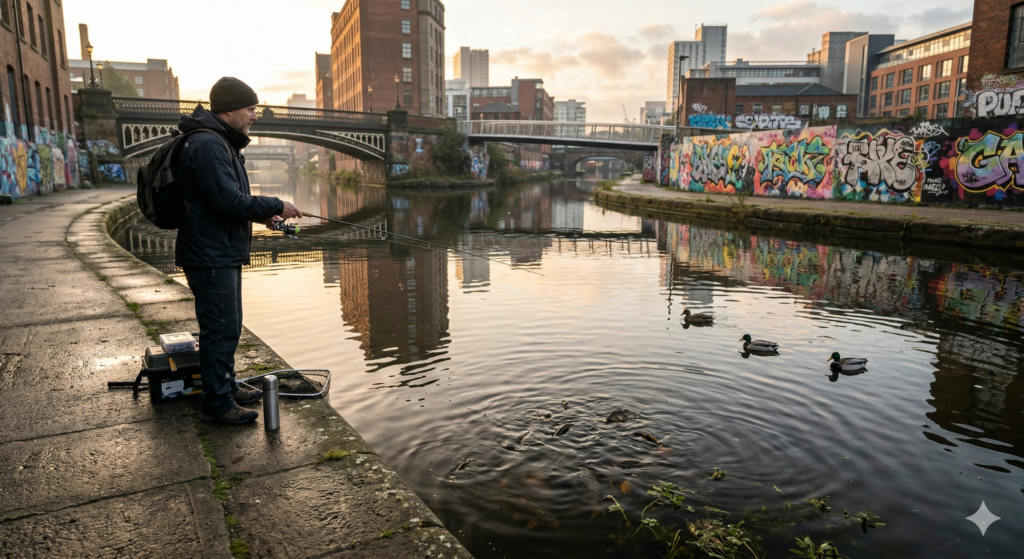
Despite pollution and human activity, many fish species are remarkably resilient. Urban rivers and canals often provide:
However, these environments are not without challenges. Contaminants, fluctuating water levels, and heavy boat traffic can impact fish populations. Knowledge of urban fish species helps anglers identify where and how to fish safely and sustainably.
Habitat & Behavior:
Common carp are highly adaptable and thrive in slow-moving, murky waters. They feed on plant matter, detritus, and small invertebrates, often stirring up sediment as they forage.
Urban Fishing Tips:
Why They Thrive in Cities:
Their tolerance for low oxygen and pollution makes them a staple of urban waterways worldwide.
Habitat & Behavior:
Northern pike are ambush predators favoring areas with dense vegetation or submerged structures. They feed primarily on smaller fish, making them top predators in canals and rivers.
Urban Fishing Tips:
Why They Thrive in Cities:
Their aggressive nature and wide tolerance for different water conditions allow them to inhabit urban waterways that many other predators avoid.
Habitat & Behavior:
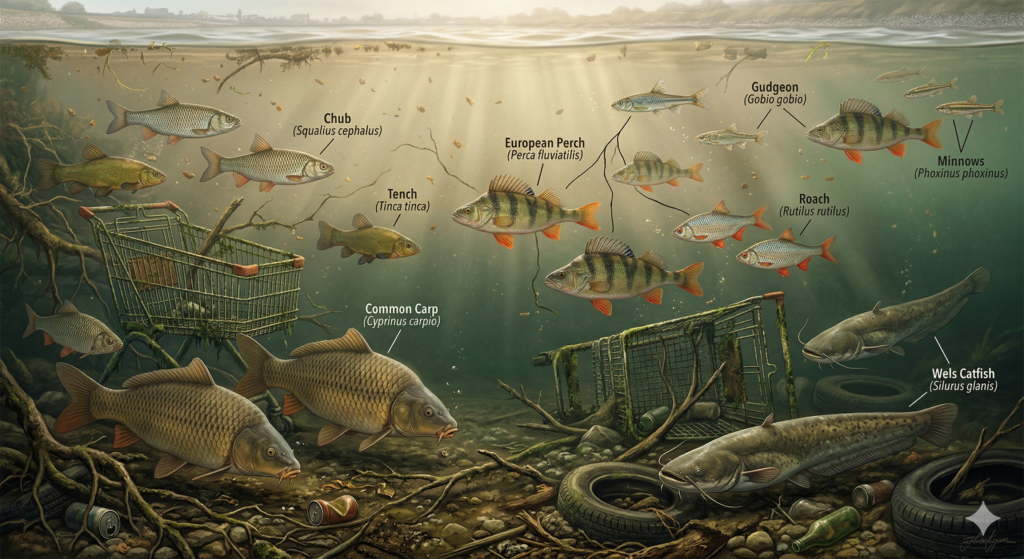
Roach are small, schooling fish found in most city rivers and canals. They feed on insects, plant material, and detritus.
Urban Fishing Tips:
Why They Thrive in Cities:
Roach are tolerant of low oxygen levels and murky waters, making them one of the most widespread urban fish.
Habitat & Behavior:
Perch are adaptable predators often found in slower-moving stretches of city rivers and canals. They feed on small fish, crustaceans, and insects.
Urban Fishing Tips:
Why They Thrive in Cities:
Their ability to hunt smaller fish and feed opportunistically ensures survival in urban habitats.
Habitat & Behavior:
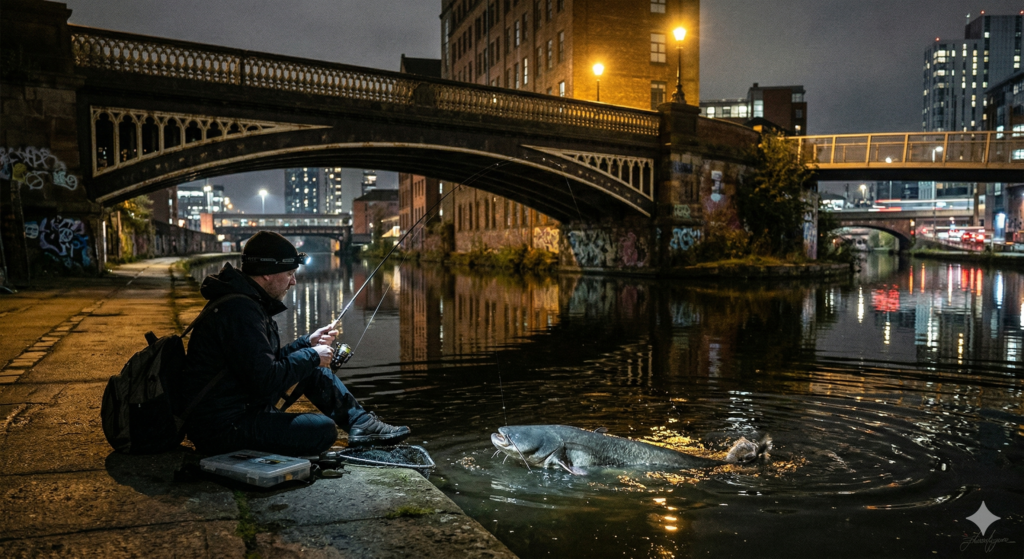
Many urban rivers support catfish species such as channel catfish or wels catfish. They are bottom-dwellers feeding on small fish, invertebrates, and organic debris.
Urban Fishing Tips:
Why They Thrive in Cities:
Catfish tolerate low oxygen and murky conditions, and their scavenger habits make them suited for city environments.
Habitat & Behavior:
Bream prefer slow-moving canals and rivers with muddy bottoms. They feed primarily on detritus, worms, and small invertebrates.
Urban Fishing Tips:
Why They Thrive in Cities:
Their slow growth, adaptability, and tolerance of poor water quality make them a common urban species.
Habitat & Behavior:
Chub are highly adaptable and inhabit both fast-flowing and slow-moving city waterways. They feed on insects, crustaceans, small fish, and plant material.
Urban Fishing Tips:
Why They Thrive in Cities:
Their omnivorous diet and ability to thrive in variable conditions make chub common in urban rivers.
Habitat & Behavior:
Tench are slow-moving, bottom-dwelling fish preferring muddy, vegetated areas of canals and rivers. They feed on worms, small invertebrates, and organic matter.
Urban Fishing Tips:
Why They Thrive in Cities:
Tench tolerate murky, low-oxygen waters and are often overlooked by predators.
Habitat & Behavior:
Originally ornamental species, goldfish and koi often escape into urban rivers and canals. They feed on algae, plant material, and small invertebrates.
Urban Fishing Tips:
Why They Thrive in Cities:
Highly adaptable and resistant to pollution, they can establish breeding populations in urban waterways.
Habitat & Behavior:
Small schooling fish like three-spined sticklebacks and common minnows are abundant in urban canals. They feed on insect larvae and algae.
Urban Fishing Tips:
Why They Thrive in Cities:
Their small size, high reproductive rate, and tolerance for varied conditions allow them to flourish in city waters.
City rivers and canals are surprisingly vibrant ecosystems supporting a variety of fish species. From resilient carp and tench to predatory pike and perch, urban waterways offer plenty of opportunities for recreational anglers. Understanding the species that thrive in city environments and their habits can make your urban fishing trips more productive and enjoyable.
By practicing sustainable fishing and respecting local regulations, anglers can help maintain these urban aquatic habitats for future generations. Whether you are a beginner or an experienced angler, city rivers and canals offer a rewarding fishing experience just steps from the heart of the city.