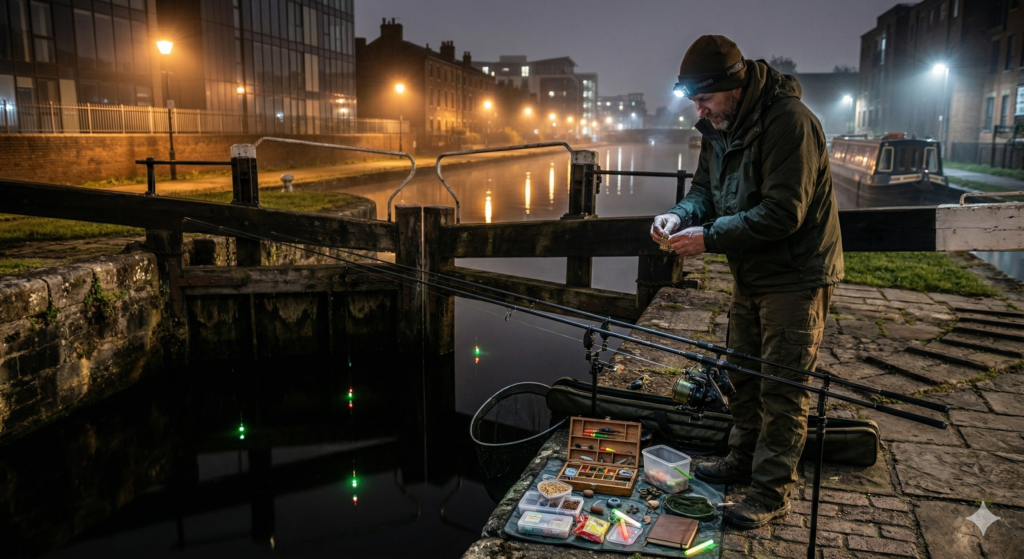
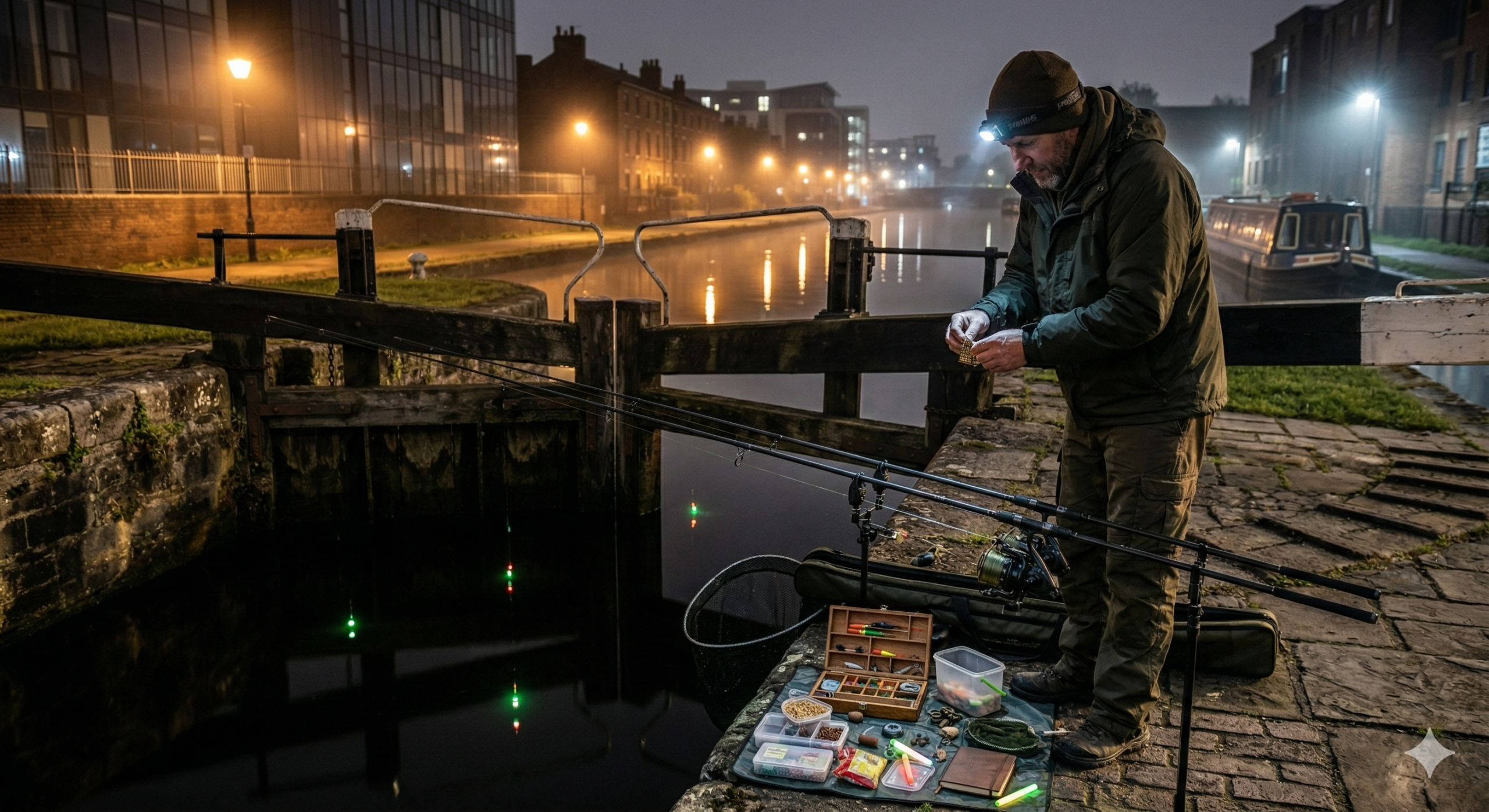
When most people think of fishing, they picture remote lakes or rivers surrounded by wilderness. But some of the best—and most convenient—fishing opportunities are hiding right in plain sight: city parks and urban green spaces. These urban ponds, lakes, and streams are often overlooked, yet they can be productive, peaceful, and full of fish.
In this guide, we’ll explore fishing in city parks, including where to go, what species to target, the best tactics, and why urban green spaces are a hidden angler’s paradise.
Why City Parks Are Great for Urban Fishing
City parks offer several unique advantages for anglers:
Accessibility – Most parks are easy to reach by foot, bike, or public transport. No need for long drives or special permits.
Underrated Fishing Spots – Many park ponds are less pressured than larger urban lakes or rivers.
Diverse Fish Populations – Stocking programs, inflows, and natural reproduction often create robust fish communities.
Scenic and Relaxing – Fishing in green spaces provides a mini-retreat from city life.
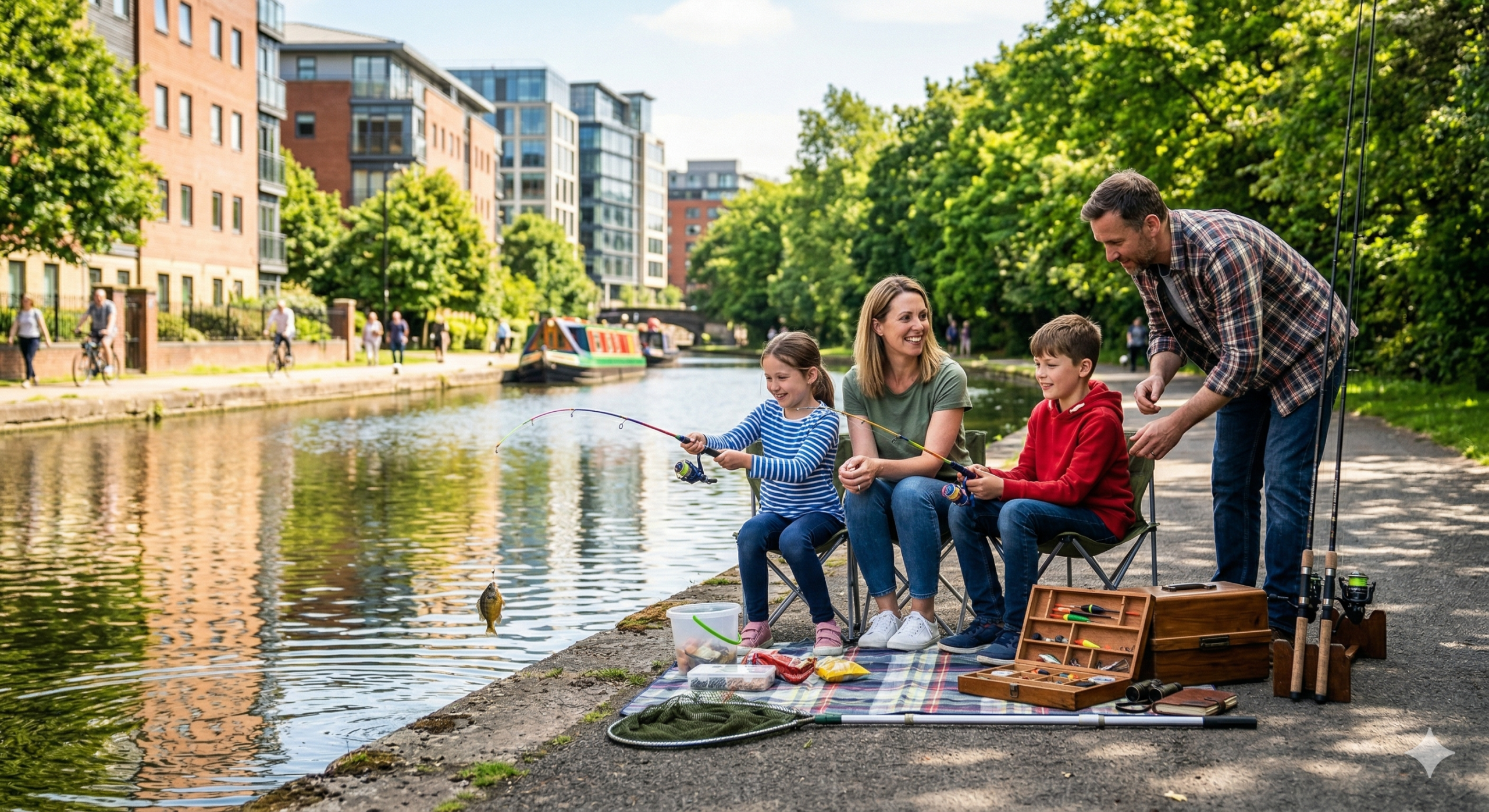
Family-Friendly – Parks offer safe environments for kids and beginners to learn fishing.
Because of these factors, city parks are becoming increasingly popular among urban anglers who want convenience without sacrificing fish quality.
Common Fish Species Found in Urban Parks
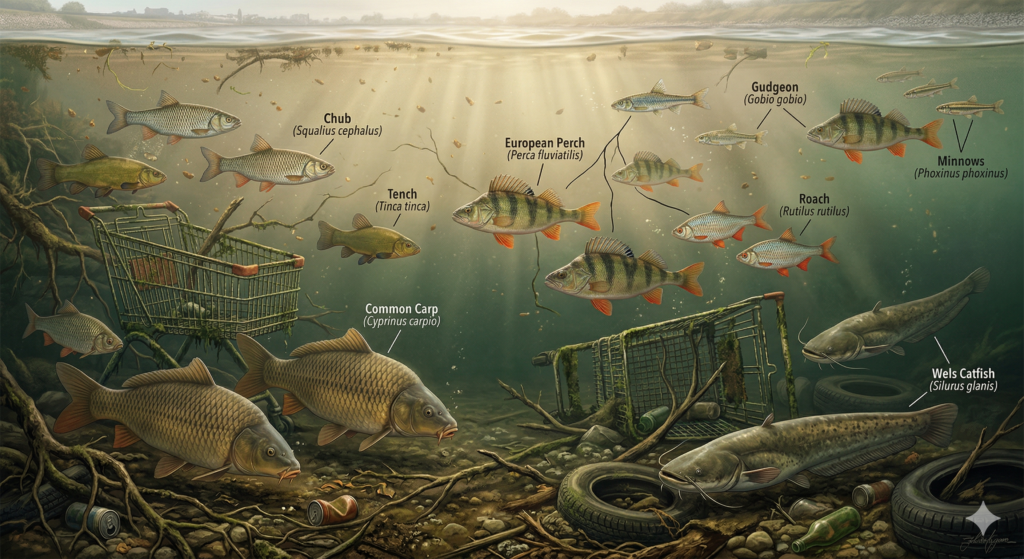
Park ponds often host a mix of species, depending on the size, water quality, and local management.
1. Largemouth Bass
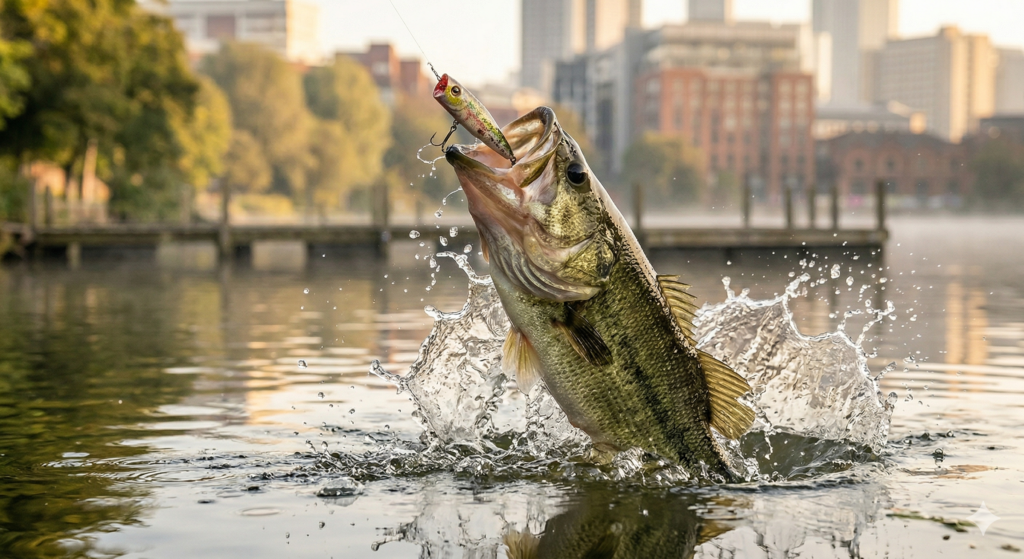
Aggressive predators that thrive in vegetation and around structures.
Great for anglers looking for action and trophy-sized fish.
2. Bluegill and Sunfish
Abundant in almost every urban pond.
Easy to catch, ideal for beginners and children.
3. Catfish
Often stocked or naturally established in larger park lakes.
Nocturnal feeders, providing excellent night or twilight fishing.
4. Carp
Common in urban waters with muddy bottoms.
Can grow large and provide a fun fight.
5. Trout
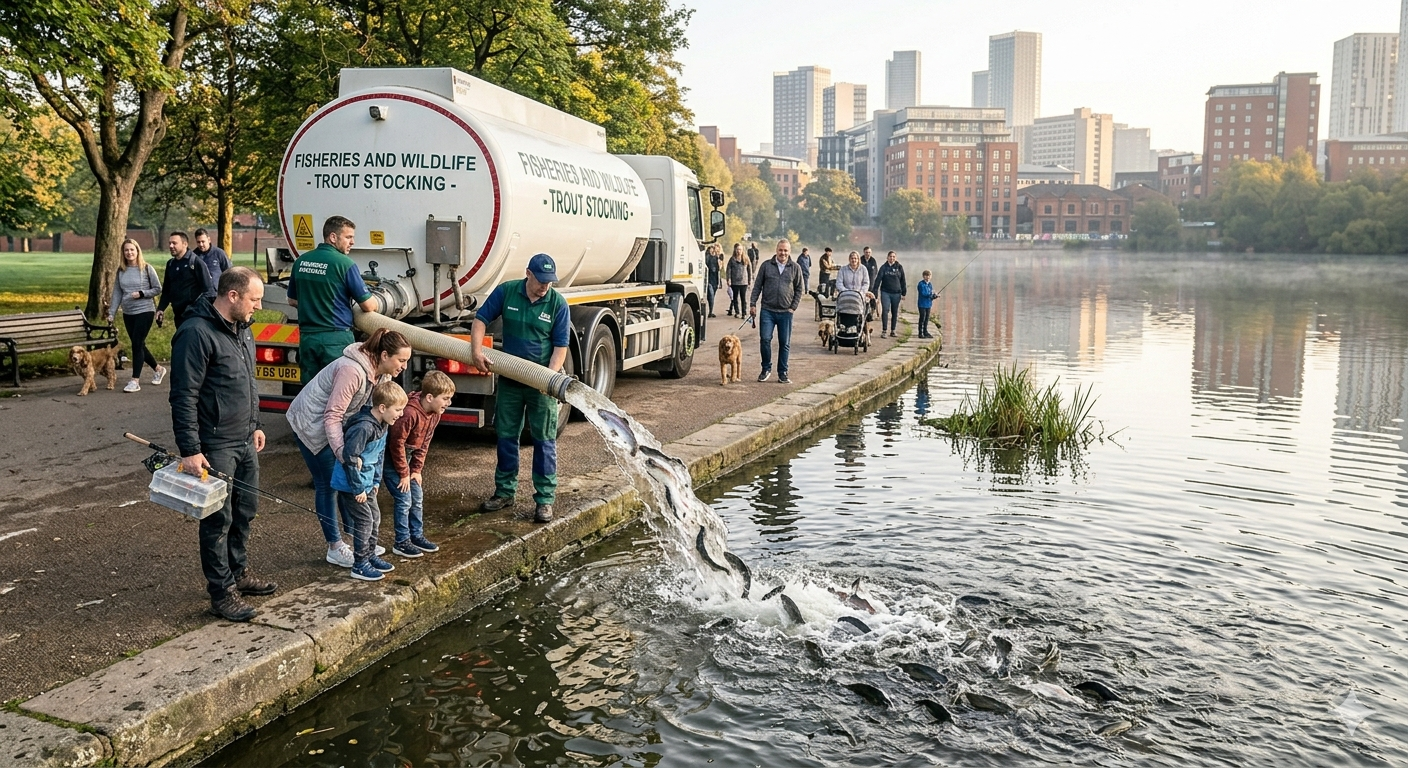
Some parks participate in urban stocking programs.
Usually catchable shortly after release, especially in spring and fall.
6. Crappie
Less common but found in ponds with deeper water and submerged structures.
Best Urban Park Fishing Spots
Finding the right location is key. Even small ponds can hold surprisingly large fish.
1. Near Shoreline Vegetation
Look for lily pads, reeds, or overhanging trees.
Provides cover for fish and attracts insects.
2. Under Bridges or Boardwalks
Fish use shaded areas to ambush prey.
Ideal for bass and sunfish.
3. Around Docked Boats or Piers
Even small piers in park lakes attract fish.
Perfect for both beginners and seasoned anglers.
4. Near Inflows and Outflows
Drainage pipes, streams, or fountains concentrate food.
Catfish, carp, and bass often patrol these areas.
5. Deeper Holes or Pond Edges
Look for drop-offs or slightly deeper water where fish can retreat.
Gear and Tackle for Park Fishing
Urban park fishing doesn’t require elaborate gear. A simple, versatile setup is often best.
Rod & Reel
Spinning rod 6–7 feet long for versatility.
Light to medium action works for most species.
Line
6–12 lb monofilament or fluorocarbon line is suitable.
Braided line can be used for heavier fish like carp.
Hooks and Terminal Tackle
Sizes 6–10 for panfish, 2/0–4/0 for bass and catfish.
Bobbers for beginners and kids.
Weights and sinkers for deeper water or stronger currents.
Bait
Live bait: worms, crickets, minnows.
Artificial bait: soft plastics, small crankbaits, or spinnerbaits.
Prepared baits: PowerBait for trout, sweetcorn for carp.
Effective Techniques for Urban Park Fishing
1. Observe Before Casting
Watch for feeding fish, ripples, or birds diving for baitfish.
Look for subtle signs like bubbling or shadow movement.
2. Use Stealth
Fish can be spooked by loud noises, even in city parks.
Approach quietly and avoid casting near people or dogs.
3. Fish at the Right Times
Early morning or late evening is often most productive.
Overcast days can extend feeding activity throughout the day.
4. Target Structure
Bass, sunfish, and catfish often hide near docks, trees, or submerged objects.
5. Adapt Bait Presentation
Float rigs for shallow water.
Bottom rigs for catfish and carp.
Lure retrieves mimicking injured prey for bass.
Seasonal Tips for Urban Park Fishing
Spring
Fish are more active near the surface as waters warm.
Use live bait and soft plastics for panfish and bass.
Summer
Fish shaded areas during hot daytime.
Early morning or evening is best.
Autumn
Fish feed aggressively to store energy for winter.
Larger baits and heavier rigs are effective.
Winter
Fish deeper holes where water temperatures are stable.
Patience and small baits often yield results.
Why Urban Park Fishing Is Underrated
Parks are often ignored by anglers seeking “wilderness” spots.
Many park ponds are stocked regularly.
Urban fishing offers convenience without sacrificing challenge.
It’s ideal for families, beginners, or those with limited time.
Even small ponds can produce impressive catches, and you can enjoy fishing without the stress of crowded rural lakes or rivers.
Safety and Etiquette
Follow local fishing regulations and size limits.
Dispose of bait and trash responsibly.
Respect other park users and keep noise levels down.
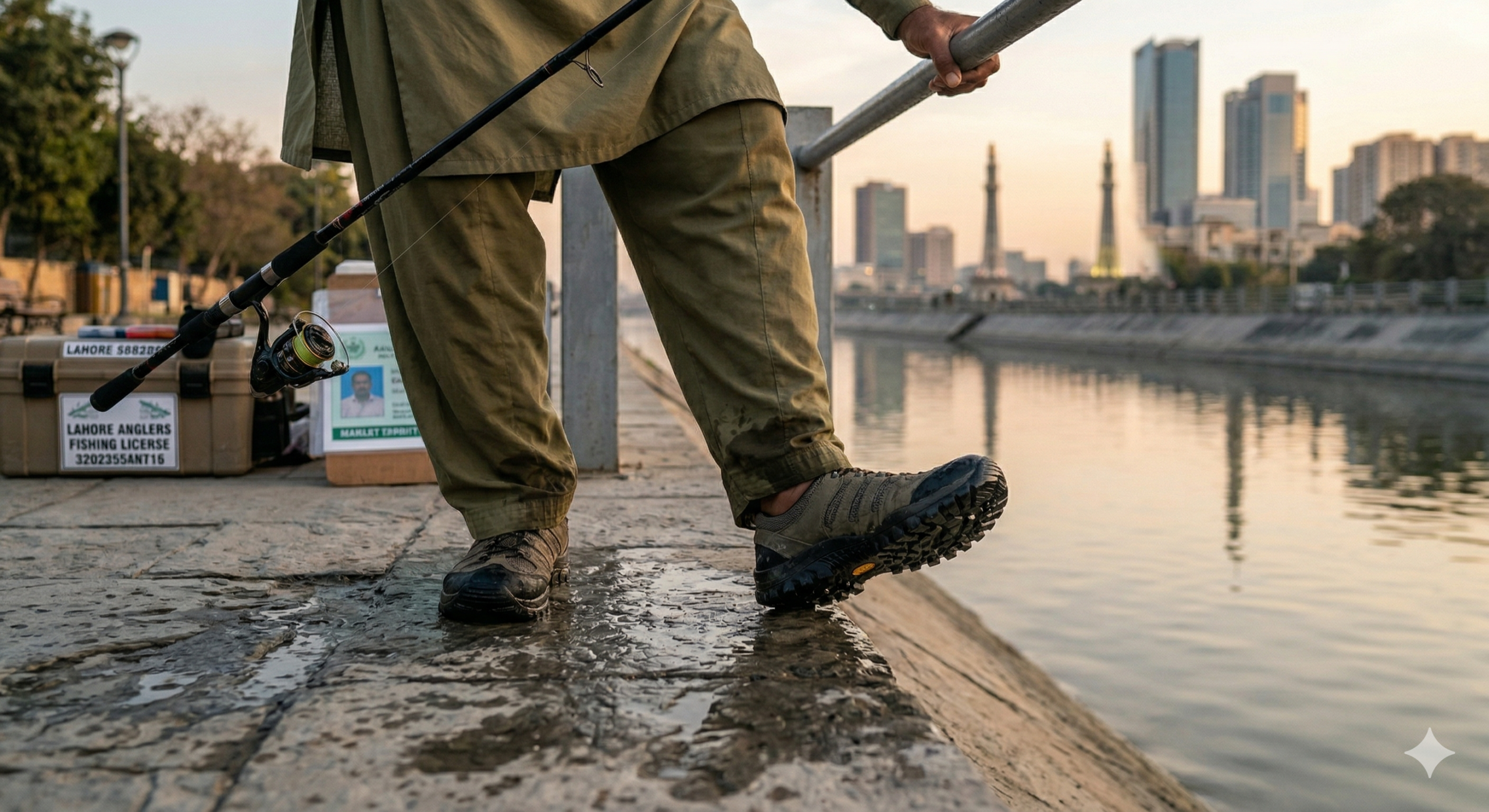
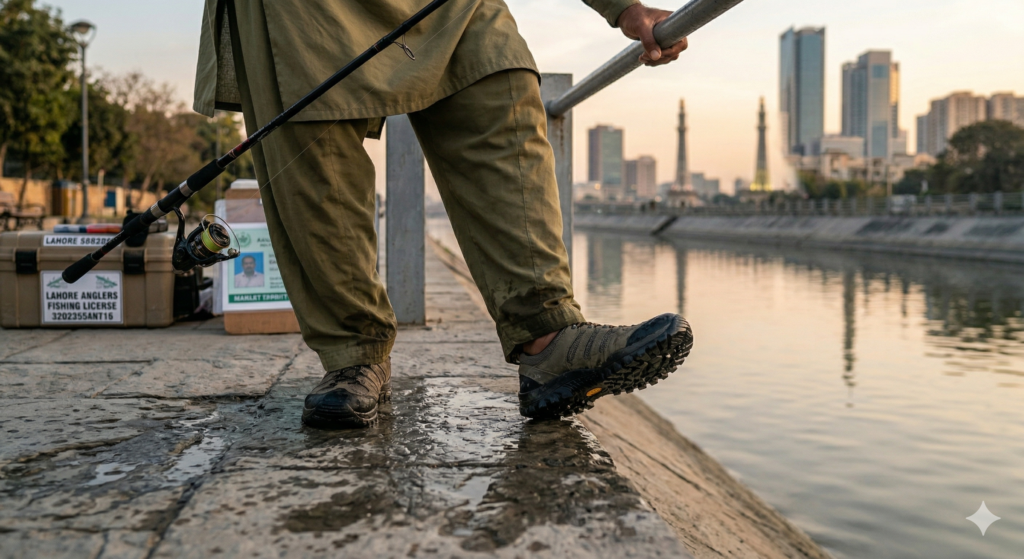
Be cautious of slippery banks and uneven terrain.
Practice catch and release to sustain fish populations.
Final Thoughts
Fishing in city parks is an underrated gem of urban angling. With thoughtful tactics, simple gear, and knowledge of the water, you can find productive ponds, enjoy peaceful surroundings, and even catch trophy fish right in your city.
Urban green spaces are more than places for walks or picnics—they’re hidden havens for anglers, offering a convenient, fun, and rewarding way to fish without leaving the city limits.
So next time you’re near a city park pond, cast a line—you might just discover a surprisingly productive fishing spot hiding in plain sight.
 1
1