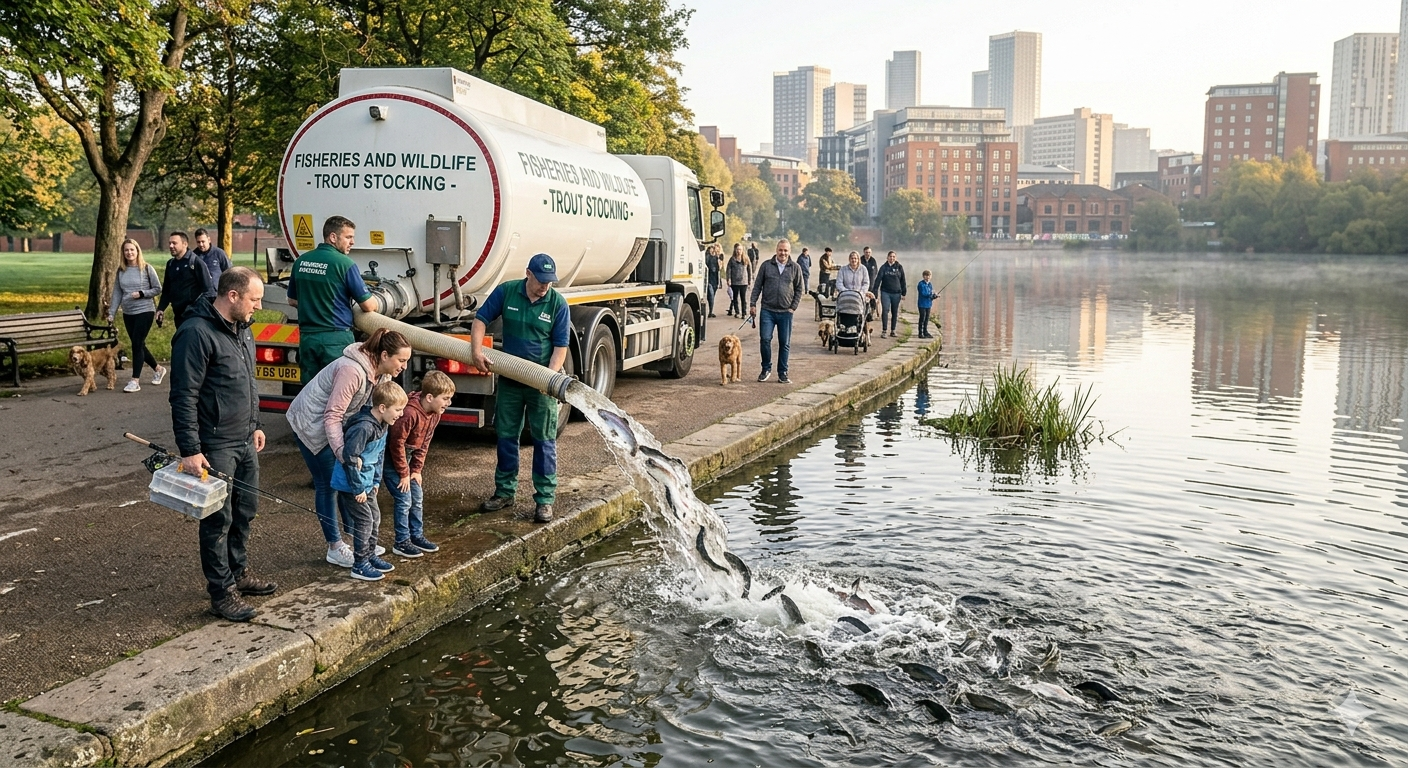
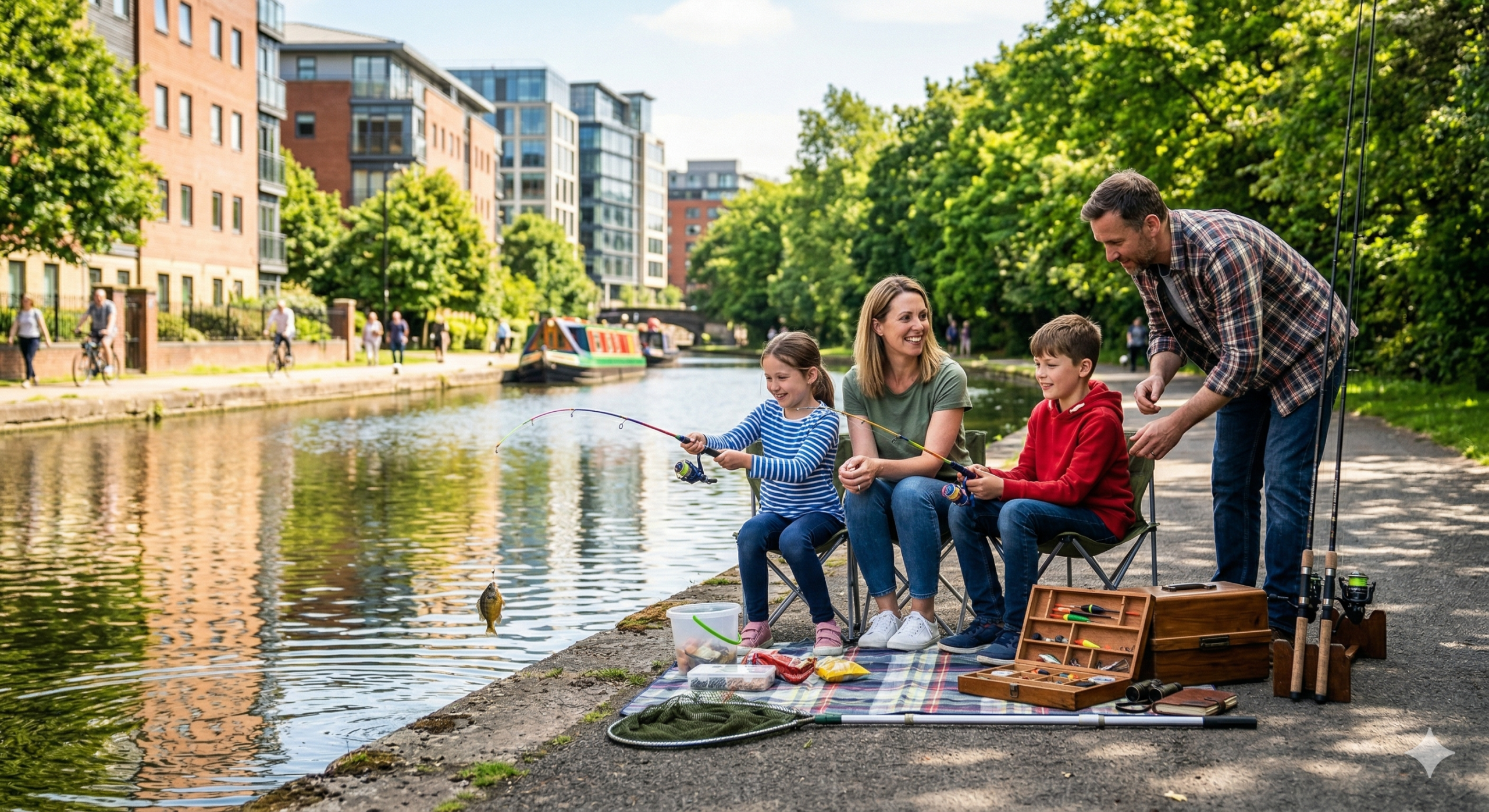
Urban harbors are bustling hubs of commerce, recreation, and life—but for anglers, they are hidden hot spots for productive fishing. Fishing from piers and docks in these environments allows you to access deeper water, fish near structures, and catch a variety of species without needing a boat.
In this guide, we’ll cover everything you need to know about pier and dock fishing in urban harbors, including target species, gear, tactics, seasonal strategies, and safety tips.
Why Fish Urban Harbors?
Fishing in urban harbors offers unique opportunities that rural or remote areas often cannot match:
Easy Access – Piers and docks make deep-water fishing simple, even without a boat.
Abundant Fish – Harbors concentrate food sources like baitfish, shrimp, and crustaceans, attracting predators.
Diverse Species – Urban harbors host saltwater, brackish, and freshwater species depending on the location.
Convenience – You can fish right after work or on weekends without a long commute.
Structure-Rich Habitat – Piers, pilings, floating debris, and submerged objects provide cover for fish.
Urban harbors combine accessibility, structure, and productivity—making them ideal for both beginner and experienced anglers.
Common Fish Species in Urban Harbors
The species you encounter depend on water type (fresh, brackish, or saltwater) and local regulations.
1. Striped Bass
Aggressive predators often schooling near piers.
Found in both saltwater harbors and tidal rivers.
2. Bluefish
Fast-moving and strong fighters.
Typically found near piers and channels.
3. Flounder / Flatfish
Bottom-dwellers hiding in sandy or muddy harbor areas.
Excellent for bait anglers targeting the seafloor.
4. Snapper / Sea Bream
Abundant near pilings and rocky structures.
Smaller urban harbor species, great for family-friendly fishing.
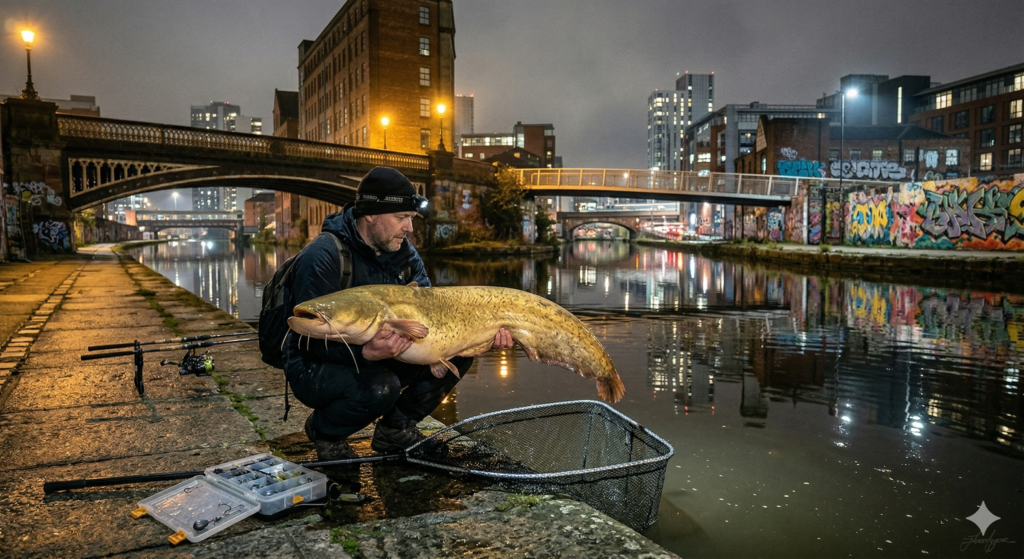
5. Catfish (Freshwater or Brackish Areas)
Often present in tidal rivers and brackish harbors.
Feed on leftover bait and food scraps near piers.
6. Carp and Panfish (Freshwater Harbors)
Common in freshwater marina ponds.
Easy to catch and perfect for beginners or kids.
Essential Gear for Pier and Dock Fishing
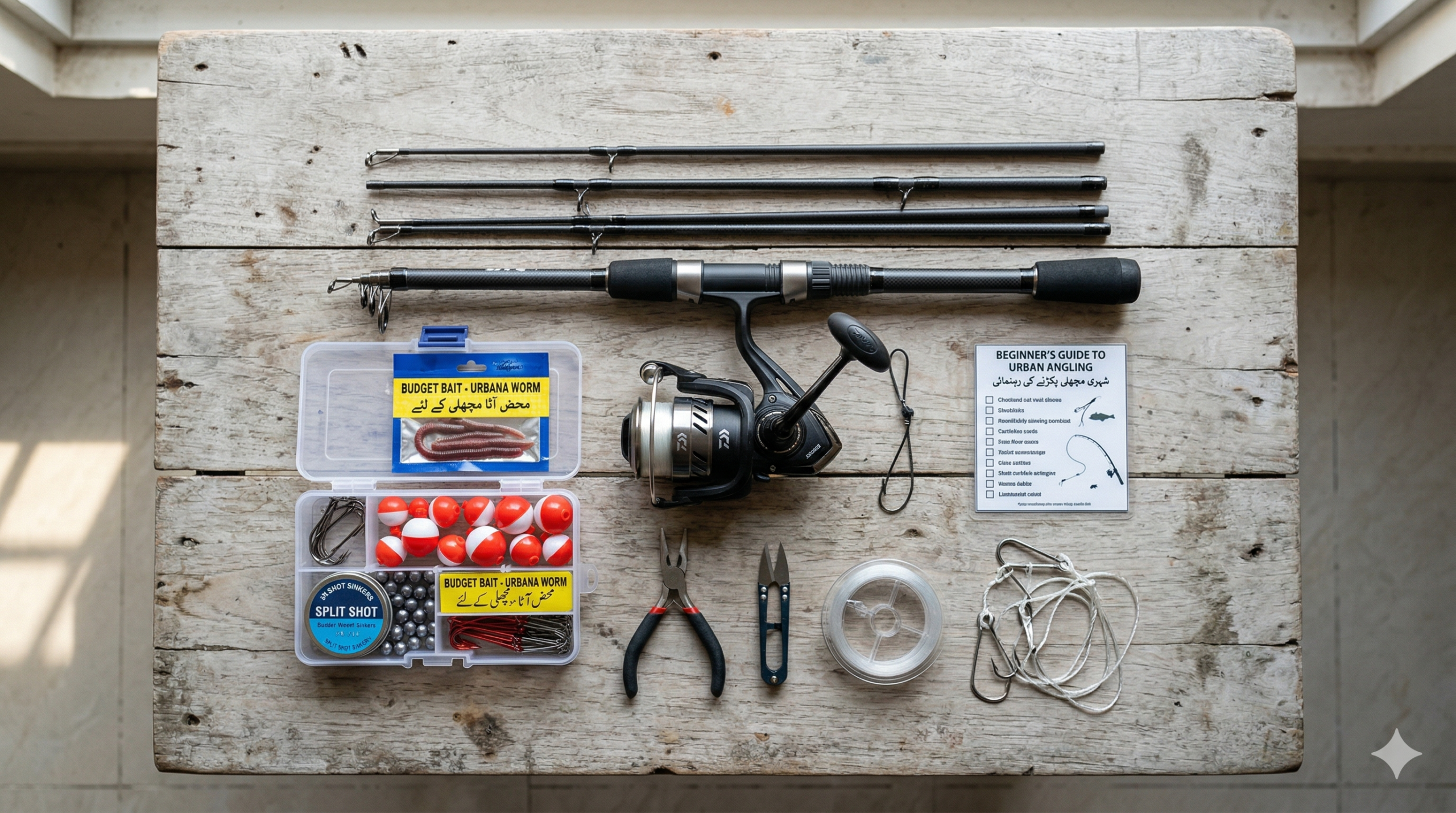
Rod & Reel
Spinning rod: 6–8 feet, medium-heavy action.
Baitcasting rod: Optional for heavier fish or longer casts.
Line
Monofilament 10–20 lb for general use.
Braided line 20–40 lb for structure-heavy areas.
Hooks and Terminal Tackle
Sizes 1/0–4/0 for medium to large fish.
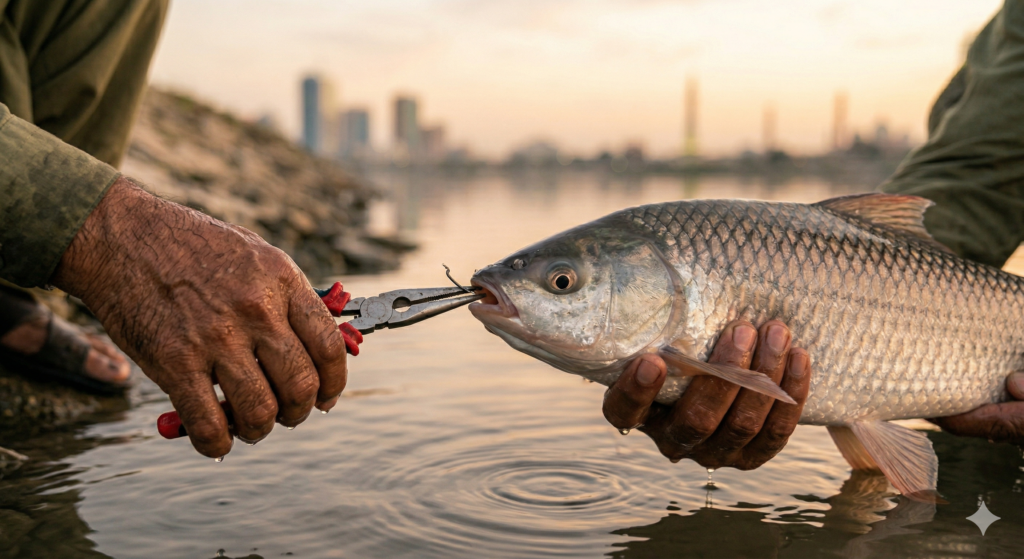
Circle hooks for catch-and-release and bait efficiency.
Weights or sinkers for depth control in currents.
Bait and Lures
Live bait: shrimp, worms, baitfish.
Cut bait: squid, fish strips for larger predators.
Adjust weights or use slip rigs to maintain bait at the correct depth.
3. Observe the Tide
Incoming tide usually brings baitfish and feeding activity closer to piers.
Outgoing tides often move fish towards channels and deeper areas.
4. Early Morning and Evening
Fish are often more active during low-light periods.
Avoid mid-day unless targeting sun-loving species like snapper.
5. Keep Gear Ready
Dock fishing requires frequent adjustments.
Keep bait, hooks, and rigs easily accessible.
Seasonal Considerations
Spring
Fish move towards shallow areas to feed after winter.
Ideal for striped bass and catfish near harbor edges.
Summer
Warmer waters concentrate fish near shaded piers.
Topwater lures can be effective early morning and late evening.
Autumn
Predatory species actively feed in preparation for colder months.
Use larger baits and deeper casts.
Winter
Fish slow down in colder water.
Focus on bottom fishing near pilings and deeper channels.
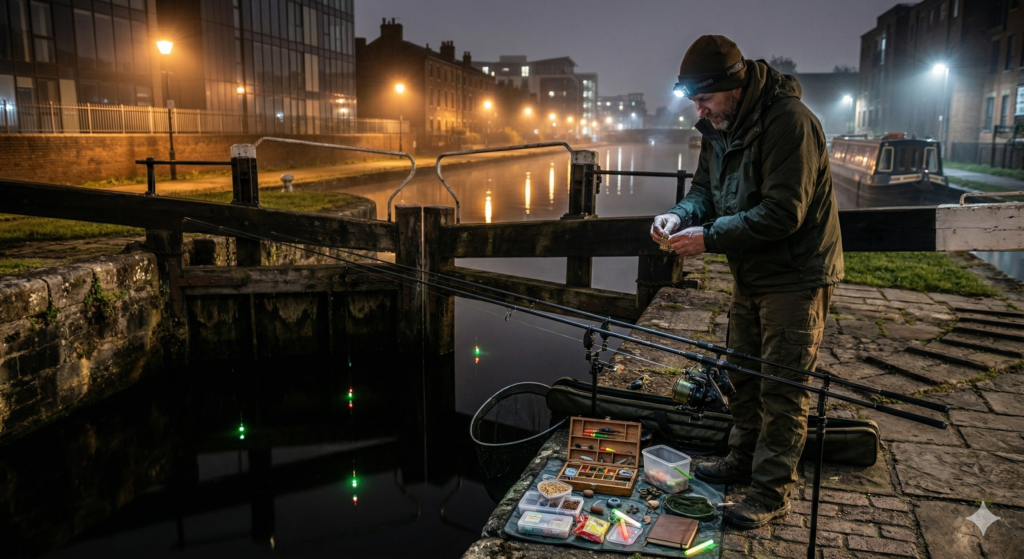
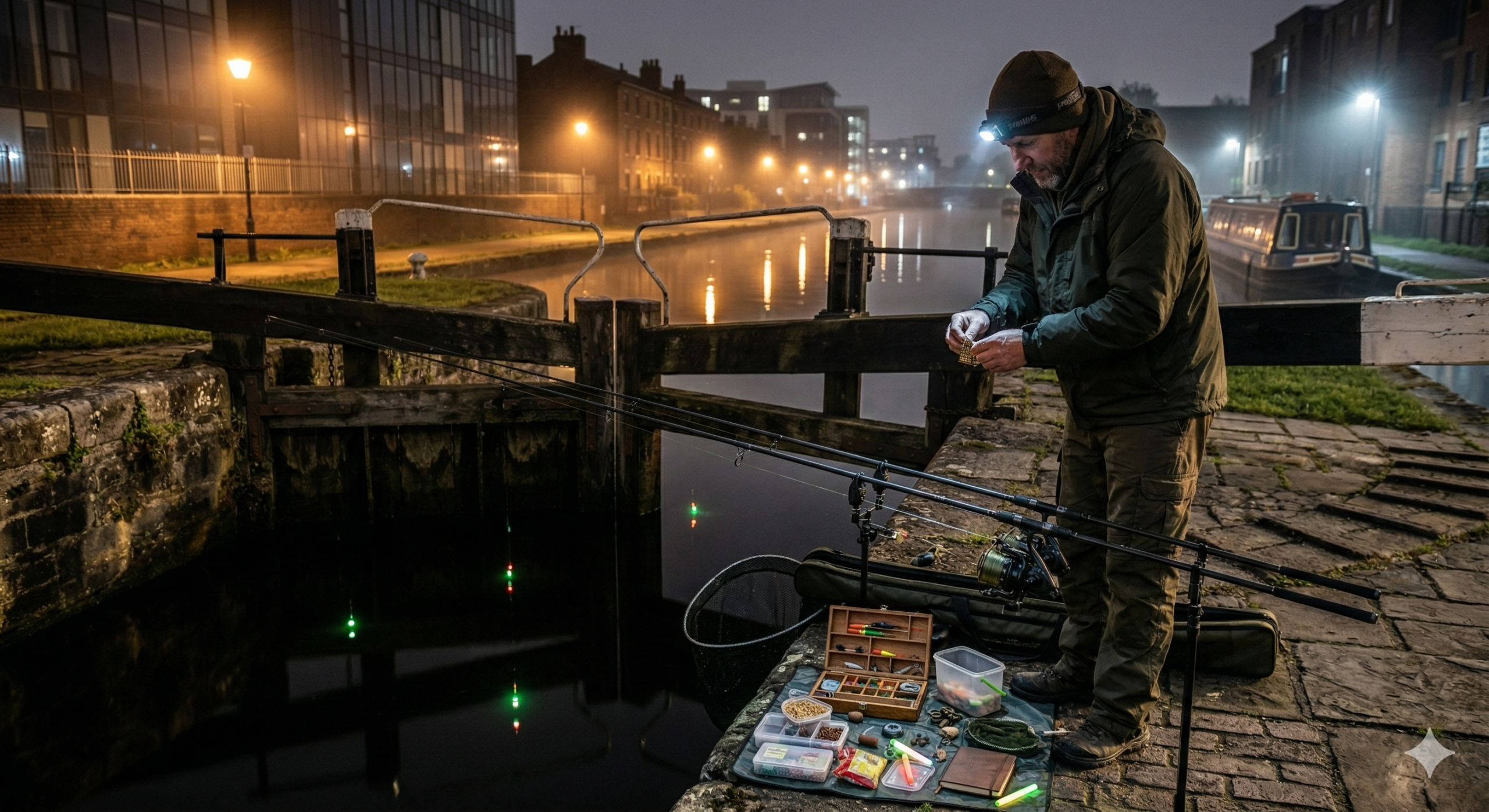
Night Fishing in Urban Harbors
Catfish, striped bass, and bluefish often feed more actively at night.
Use LED rod tips, headlamps, and glow bobbers to monitor bites.
Night fishing also reduces foot traffic, making fish less wary.
Safety Tips for Pier and Dock Fishing
Wear a life vest – Especially at night or on slippery docks.
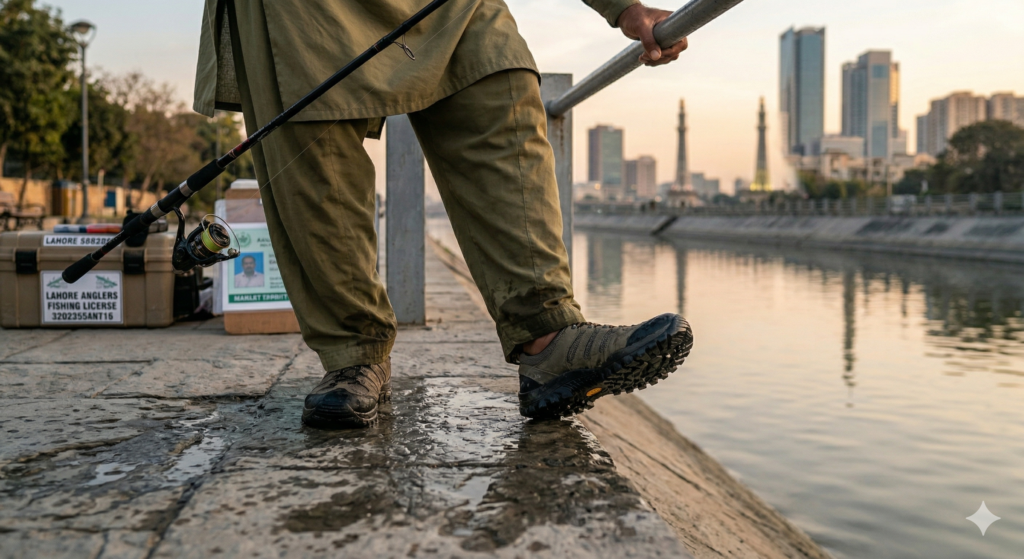
Watch your footing – Piers can be wet or uneven.
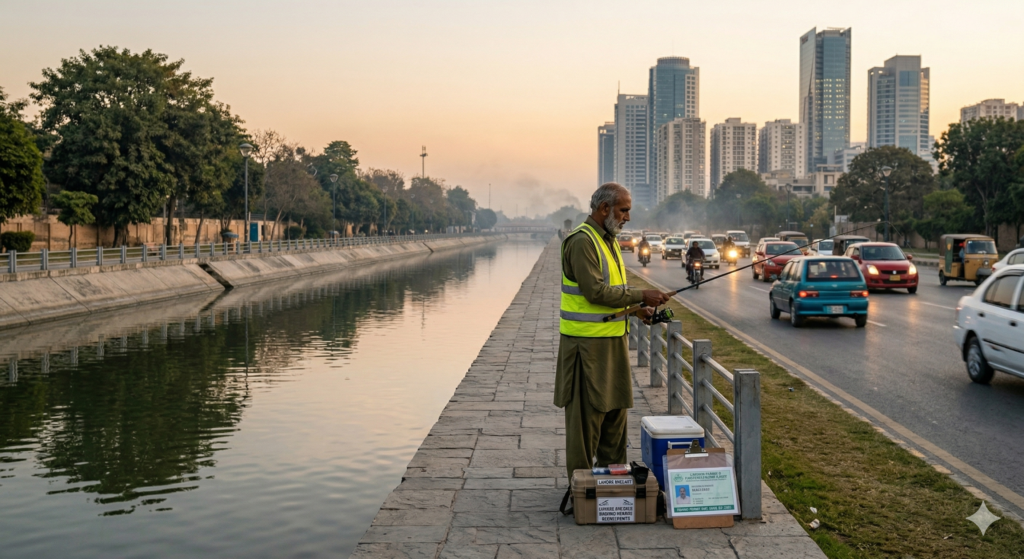
Check local regulations – Some piers restrict fishing or have seasonal closures.
Be mindful of others – Avoid casting near pedestrians or other anglers.
Use gloves – For handling fish, hooks, and rough dock surfaces.
Urban Harbor Fishing Etiquette
Keep lines and tackle organized to avoid tangling others.
Clean up all bait, hooks, and trash.
Be patient and respectful of other park or harbor users.
Follow catch-and-release practices when necessary.
Common Mistakes to Avoid
Ignoring currents – Fish near flow areas for more activity.
Using too heavy tackle – Light rigs often yield more bites.
Fishing only in one spot – Move along the pier if bites are scarce.
Overlooking tides and weather – Both significantly influence fish behavior.
Leaving bait unattended – Catfish and other opportunists may steal it.
Why Pier and Dock Fishing Is Underrated
Many urban anglers overlook piers in favor of boats or rivers.
They provide access to deep water, structure, and diverse species.
Perfect for both beginners and experienced anglers looking for convenience and results.
Final Thoughts
Pier and dock fishing in urban harbors combines accessibility, structure, and species diversity. With the right gear, bait, and tactics, you can catch a variety of fish without leaving the city.
Whether it’s a quiet early morning trip, an after-work session, or night fishing under the city lights, urban harbors offer a rewarding and often overlooked fishing experience. By understanding tides, structure, and fish behavior, you can maximize your success and enjoy productive urban angling year-round.
 1
1