 11
11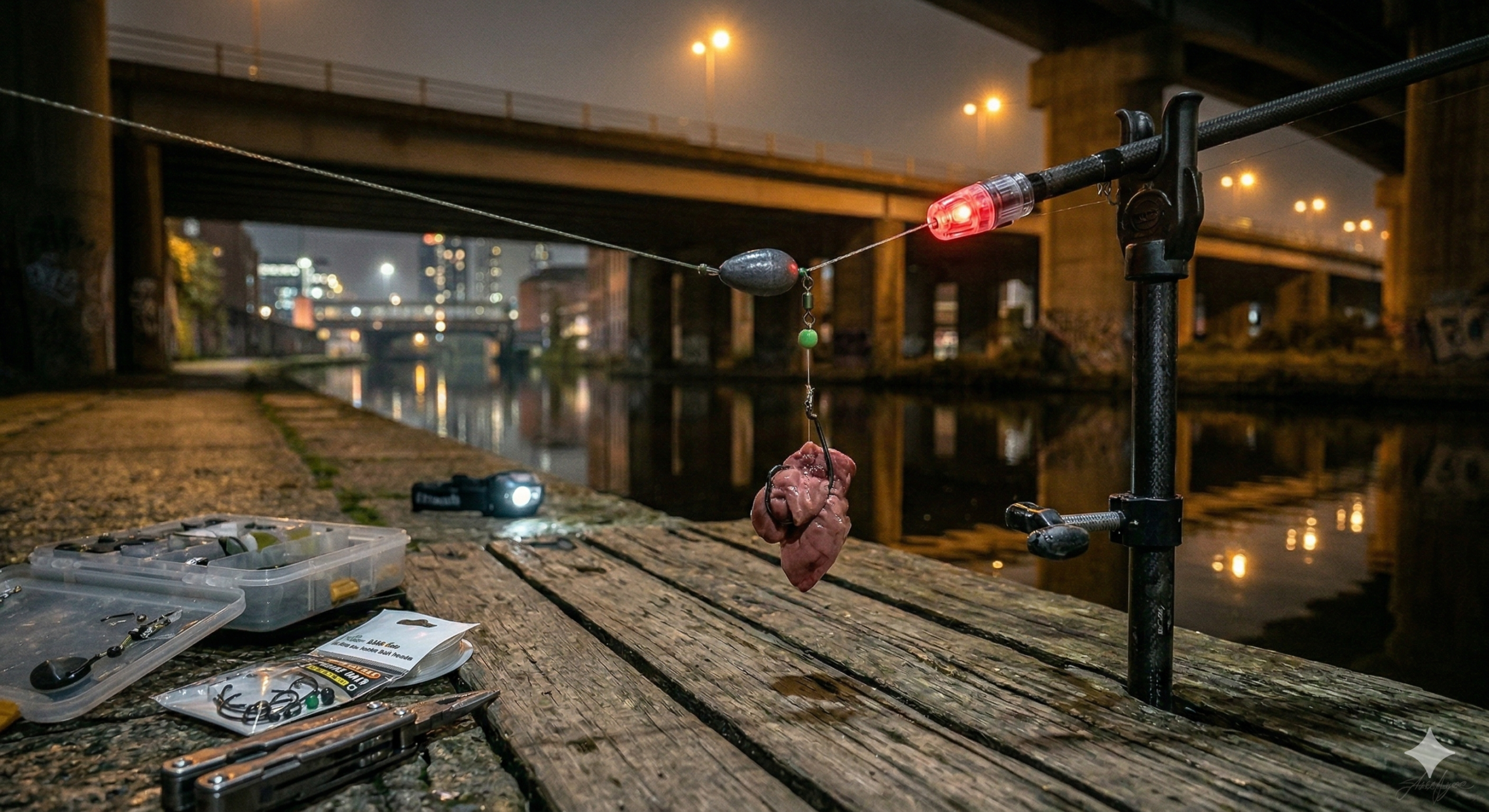
When most anglers think of trout fishing, they imagine pristine mountain streams and remote wilderness. But what if you could catch trout right in the middle of a city? Thanks to urban trout stocking programs, this is not only possible—it’s becoming increasingly popular around the world.
In this guide, we’ll explain how urban trout stocking works, why it exists, where to find stocked waters, and how you can successfully catch trout in city environments.
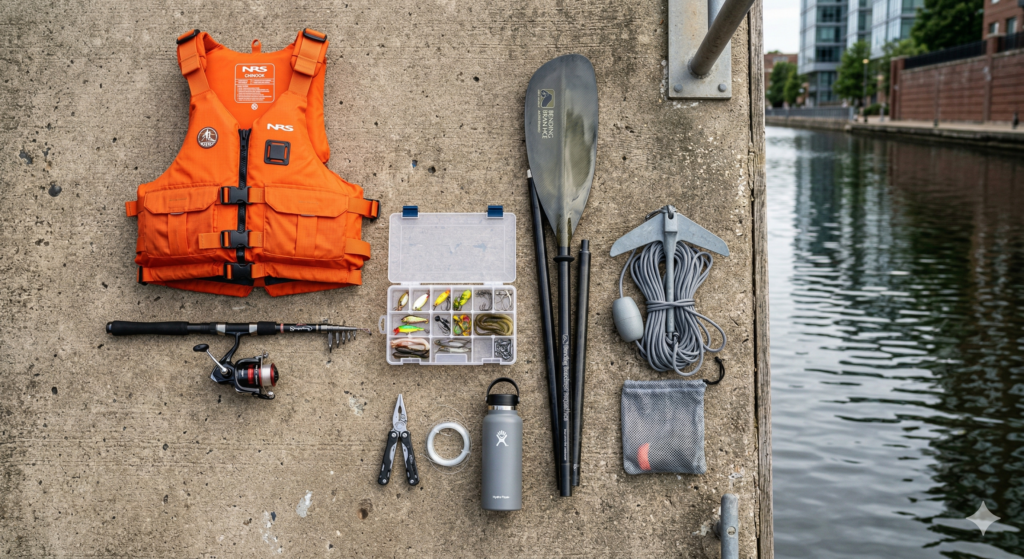
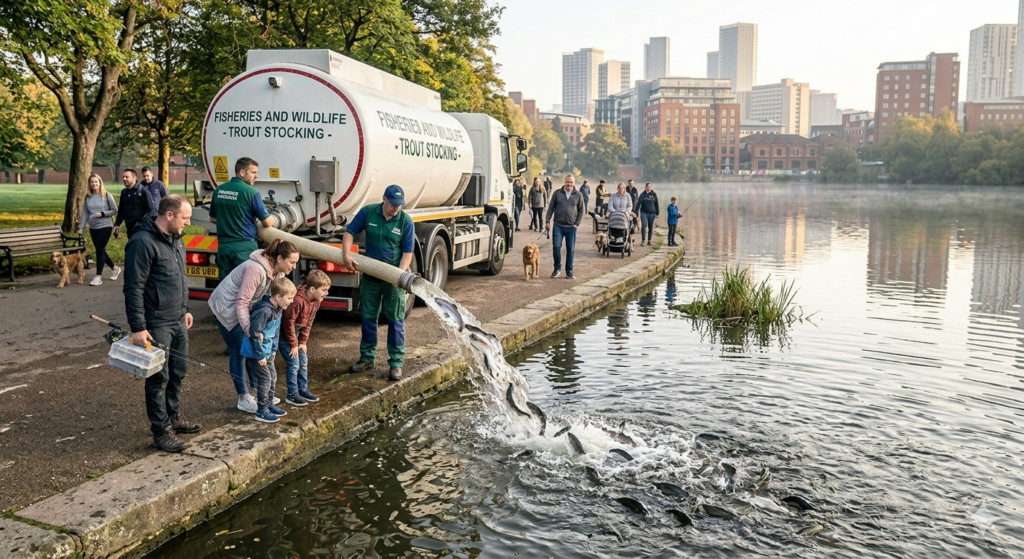
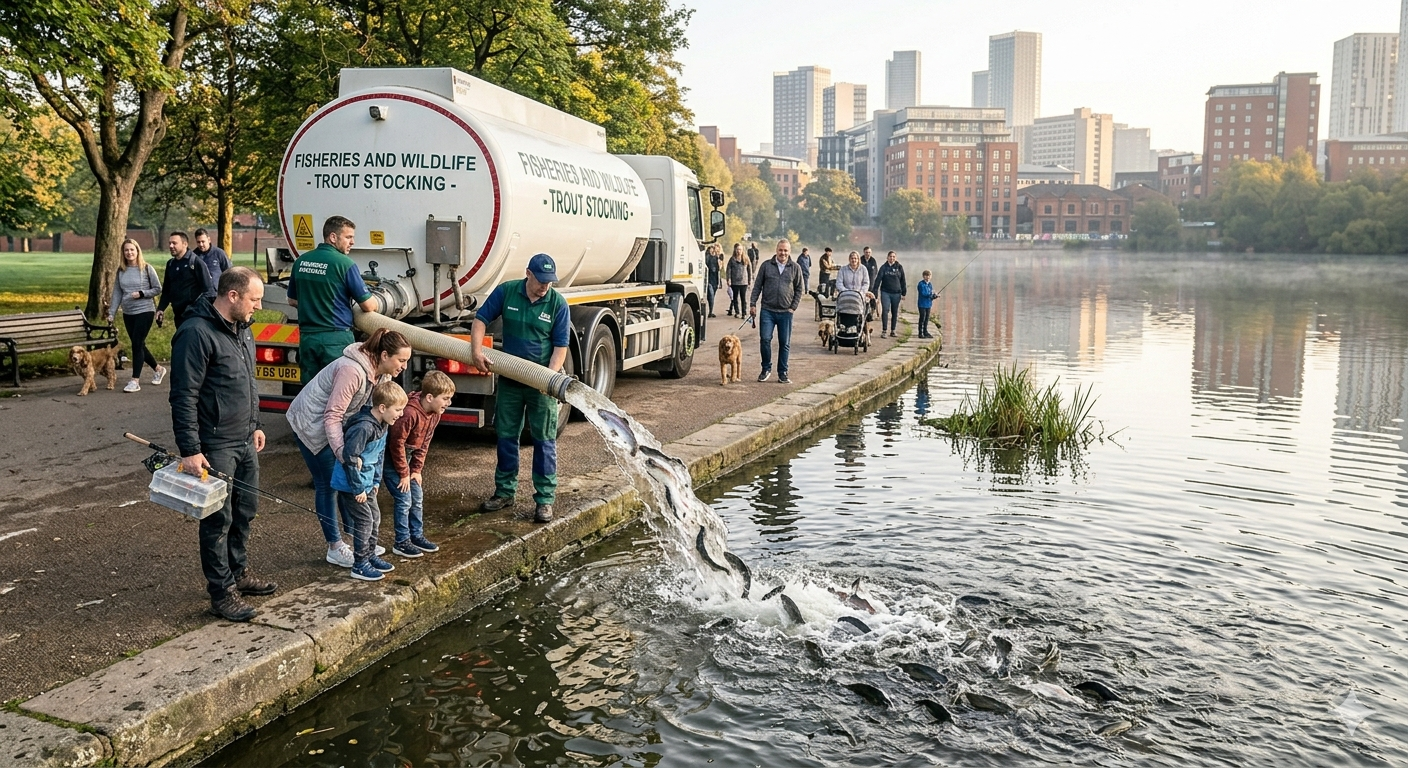
Urban trout stocking programs are initiatives where government agencies or fisheries organizations release hatchery-raised trout into city lakes, ponds, and rivers. These programs are designed to make fishing accessible to people who may not have the time or resources to travel to remote locations.
Key goals of urban stocking programs:
These programs are especially popular in highly populated areas where natural trout populations are limited or nonexistent.
Trout are not naturally suited to most urban environments. They require clean, cold, oxygen-rich water. So why stock them in cities?
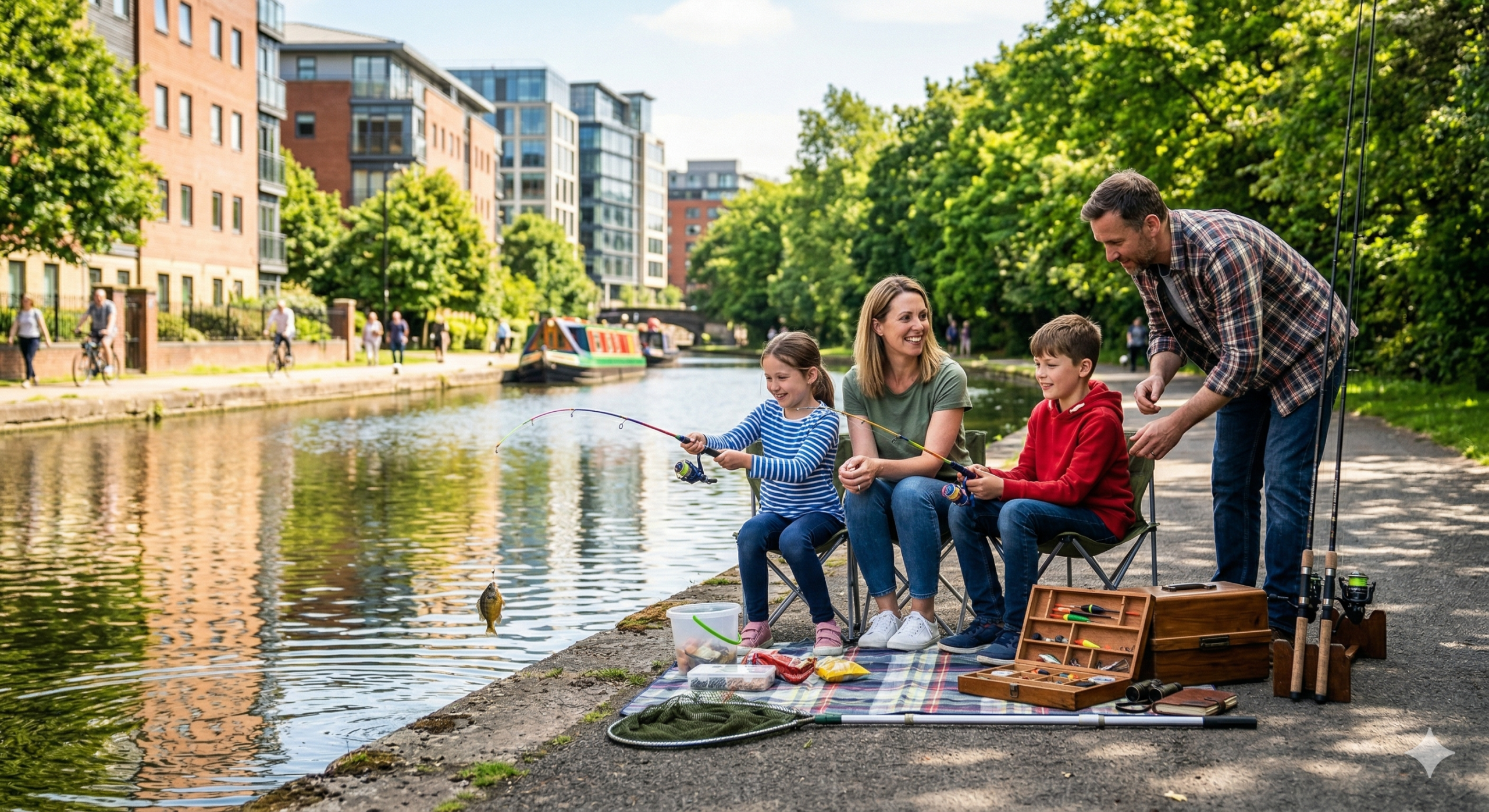
Urban stocking allows people to fish close to home without long travel.
Stocked trout are often meant to be caught within weeks or months of release.
Fishing programs help connect people with nature, even in urban settings.
They support local tackle shops and recreational activities.
Different species are used depending on climate and water conditions.
The most commonly stocked species.
Why they’re used:
Less commonly stocked but popular in some regions.
Characteristics:
Used in cooler climates.
Traits:
Urban trout are typically released in easily accessible locations.
Local parks often host stocking events.
Features:
Larger lakes can hold trout for longer periods.
Some urban rivers are stocked, especially during cooler seasons.
Reservoirs provide deeper, cooler water, helping trout survive longer.
Trout are bred and raised in controlled environments until they reach a catchable size (usually 8–12 inches).
They are transported in specialized tanks with oxygenated water.
Fish are released at designated stocking sites, often announced publicly.
Anglers can begin fishing immediately or shortly after stocking.

Timing is critical for success.
This is the best time to fish.
Why:
Trout prefer cooler temperatures and low light.
Most stocking happens in:
Stocked trout behave differently from wild trout.
Why they work:
Great for covering water.
Popular choices:
A natural and effective bait.
Simple and surprisingly effective.
Mimic insects and small prey.
Trout often stay close to where they are released.
Stocked trout are less wary than wild fish.
Trout may swim at different levels depending on conditions.
If you’re not getting bites, try a different spot.
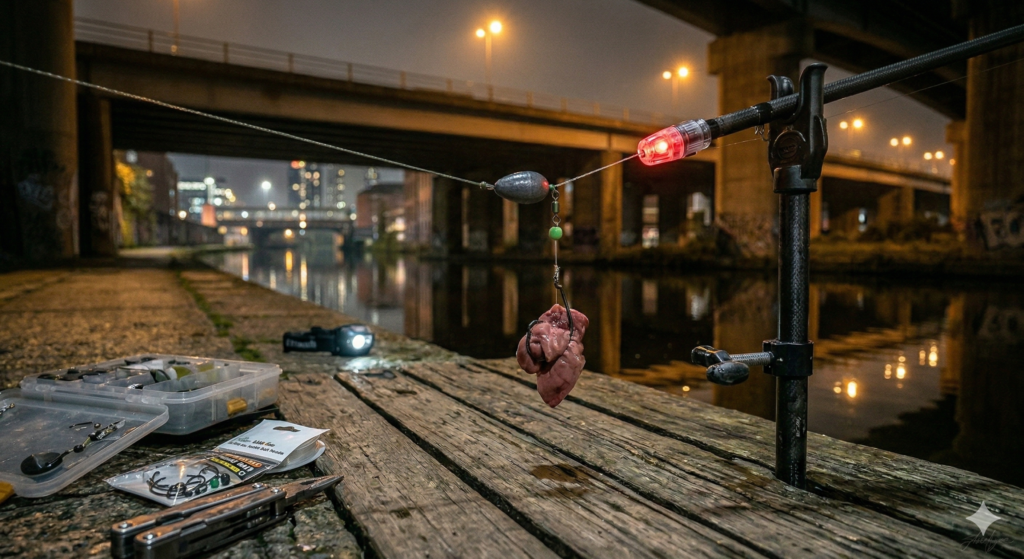
Stocked waters can become crowded quickly.
Trout may not survive long in warm or polluted water.
After a few days, trout become more cautious.
Urban trout fishing often comes with specific rules.
Common regulations:
Always check local fishing laws before heading out.
Stocking programs must balance recreation with environmental impact.
Potential concerns:
Responsible fishing helps maintain these programs.
Urban trout fishing is one of the easiest ways to get started in angling.
Urban trout stocking programs have transformed city fishing, bringing the excitement of trout angling to urban environments. While these fish may not be wild, they offer an accessible and enjoyable experience for anglers of all skill levels.
By understanding how stocking works, where to fish, and which techniques to use, you can maximize your success and enjoy quality fishing without leaving the city.
So next time you hear about a local stocking event, grab your gear and head out—you might just land your first trout right in the heart of your city.